
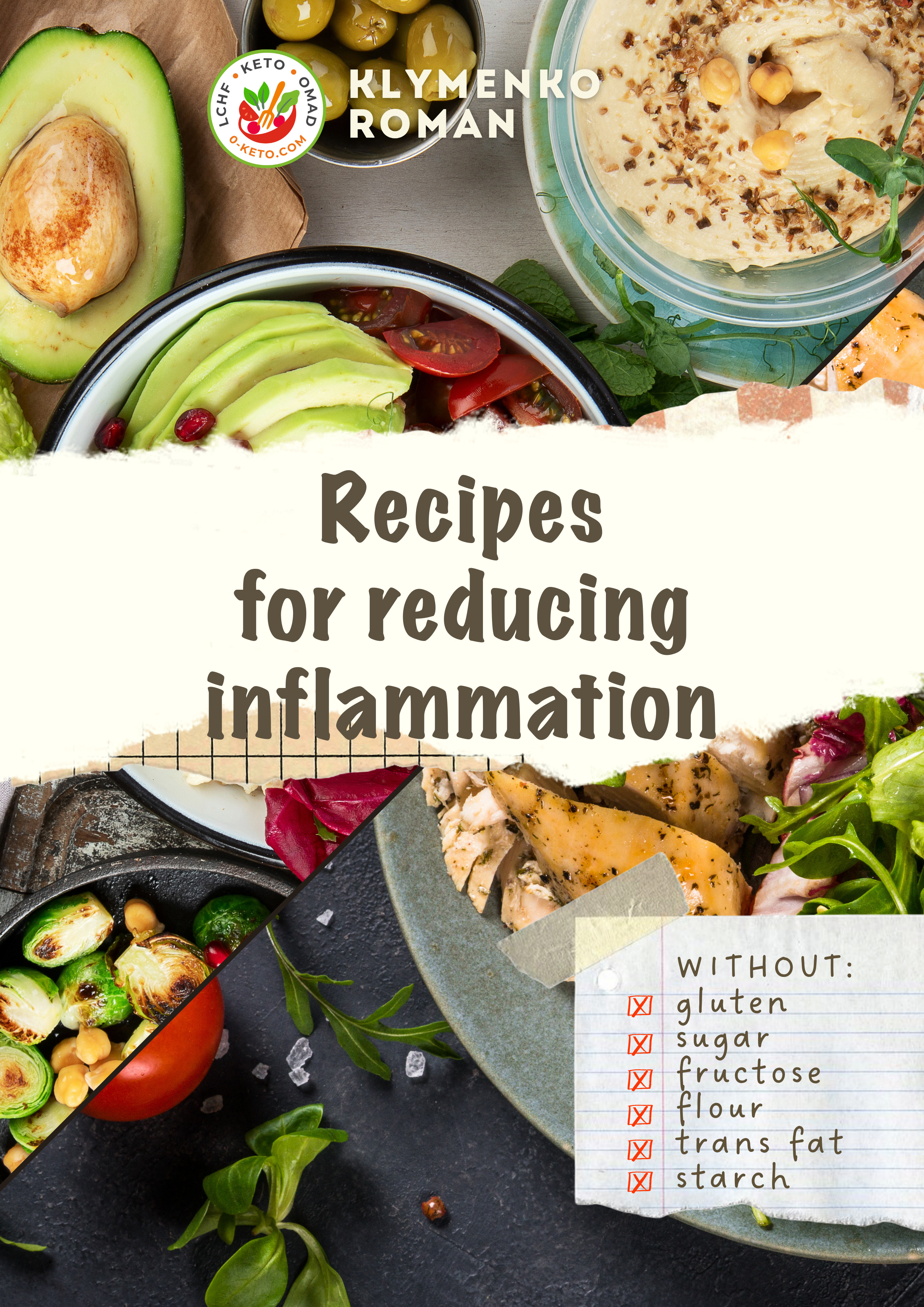
Recipe Collection for Reducing Inflammation

Recipe Collection for Reducing Inflammation

Free

Reissue date: 25 May 2026

Free from:

  • gluten
  • sugar
  • fructose
  • flour
  • trans fats
  • starch
About the book
Reviews

Introduction

Inflammation is a normal protective response, but when inflammatory load stays high, energy, joints, vessels, skin, gut, and recovery can suffer.

Diet affects this load through fat quality, antioxidant density, gut status, and vitamin D sufficiency. Anti-inflammatory eating is therefore not one food, but a combination of food factors.

This book is built around EPA, curcumin, antioxidants, glutathione, probiotics, and vitamin D.

Key nutrients for this book

The core nutrient markers in this collection are: EPA (Omega-3), Curcumin, Antioxidants, Glutathione, Probiotics, Vitamin D. Below is why each one matters and which foods provide it most naturally.

EPA (Omega-3)

EPA is an omega-3 fatty acid involved in inflammatory balance, vascular tone, and tissue recovery. In these books it is a practical food marker: fatty fish and seafood often provide EPA together with protein, vitamin D, and other useful nutrients.

How it supports this topic:

  • supports a balanced inflammatory response;
  • helps maintain vascular function and blood flow;
  • supports recovery after physical and metabolic stress.

When intake may be low:

  • fatty fish and seafood are rarely eaten;
  • the diet relies heavily on processed seed oils;
  • skin, joints, or recovery seem especially sensitive to diet quality.

Best food sources:

  • sardines, mackerel, herring;
  • salmon, trout, tuna;
  • seafood and cod liver.

Curcumin

Curcumin is the active compound in turmeric, linked to inflammatory signaling and antioxidant defense.

How it supports this topic:

  • support cellular protection from oxidative stress;
  • help maintain vessels and connective tissue;
  • complement anti-inflammatory nutrients.

When intake may be low:

  • vegetables, herbs, berries, and spices are limited;
  • stress, smoking, alcohol, or processed foods are frequent;
  • recovery after stress is slow.

Best food sources:

  • turmeric with pepper and fat;
  • curry and spiced dishes;
  • spice-based sauces and marinades.

Antioxidants

Antioxidants are a group of compounds that help reduce free-radical damage. For vessels, skin, liver, and inflammation, variety matters more than one isolated molecule.

How it supports this topic:

  • support cellular protection from oxidative stress;
  • help maintain vessels and connective tissue;
  • complement anti-inflammatory nutrients.

When intake may be low:

  • vegetables, herbs, berries, and spices are limited;
  • stress, smoking, alcohol, or processed foods are frequent;
  • recovery after stress is slow.

Best food sources:

  • berries, herbs, spices;
  • peppers, cabbage, broccoli;
  • cocoa, nuts, olives.

Glutathione

Glutathione is one of the main intracellular antioxidants, especially important for the liver and recovery from oxidative load.

How it supports this topic:

  • support cellular protection from oxidative stress;
  • help maintain vessels and connective tissue;
  • complement anti-inflammatory nutrients.

When intake may be low:

  • vegetables, herbs, berries, and spices are limited;
  • stress, smoking, alcohol, or processed foods are frequent;
  • recovery after stress is slow.

Best food sources:

  • sulfur-rich foods: eggs, fish, meat;
  • broccoli, cabbage, greens;
  • foods with selenium and vitamin C.

Probiotics

Probiotics are live microorganisms from fermented foods that support the gut microbiota and barrier function.

How it supports this topic:

  • support cellular protection from oxidative stress;
  • help maintain vessels and connective tissue;
  • complement anti-inflammatory nutrients.

When intake may be low:

  • vegetables, herbs, berries, and spices are limited;
  • stress, smoking, alcohol, or processed foods are frequent;
  • recovery after stress is slow.

Best food sources:

  • unsweetened yogurt and kefir;
  • fermented vegetables;
  • fermented foods when tolerated.

Vitamin D

Vitamin D regulates calcium metabolism, immune responses, muscle function, and hormonal processes. It is especially important in books about bones, immunity, male and female health.

How it supports this topic:

  • helps absorb calcium and maintain bones;
  • supports muscles and immune function;
  • is linked to hormonal regulation and recovery.

When intake may be low:

  • nuts, seeds, avocado, and quality fats are limited;
  • fat absorption is impaired;
  • skin is dry or tissue recovery is slow.

Best food sources:

  • fatty fish, cod liver;
  • egg yolks;
  • seafood and light-exposed mushrooms.

What this book is about

This is not a supplement manual and not a collection of vague wellness advice. It is a practical recipe collection built around foods that can provide meaningful amounts of the selected nutrients.

Each recipe includes ingredients, cooking time, macros, and vitamin/mineral tables per 100 g. This makes it easier to compare dishes and choose meals that fit your routine, taste, and goals.

Use the book as a food navigator: rotate protein sources, fish, eggs, vegetables, herbs, nuts, and other nutrient-dense foods, while paying attention to tolerance and variety.


Looking for a source of nutrients? Check out iHerb:
EPA (Омега-3): California Gold Nutrition, Omega 800 Ultra-Concentrated Omega-3 Fish Oil, kd-pur Triglyceride Form, 90 Fish Gelatin Softgels (1,000 mg Per Softgel)
Buy
≈ $26.86
Антиоксиданты: California Gold Nutrition, Astaxanthin, Astalif® Pure Icelandic, 12 mg, 120 Veggie Softgels
Buy
≈ $42.43
Антиоксиданты: Lake Avenue Nutrition, CoQ10, USP Grade Ubiquinone, 100 mg, 120 Veggie Capsules
Buy
≈ $15.07
Витамин D: California Gold Nutrition, Liposomal Vitamin A, D3, E & K2, Pineapple, 8.5 fl oz (250 ml)
Buy
≈ $22.78
Витамин D: California Gold Nutrition, Vitamin D3, 125 mcg (5,000 IU), 90 Fish Gelatin Softgels
Buy
≈ $5.21
Share:
Keto, LCHF: Recipes, Rules, Description $$$
Odessa