


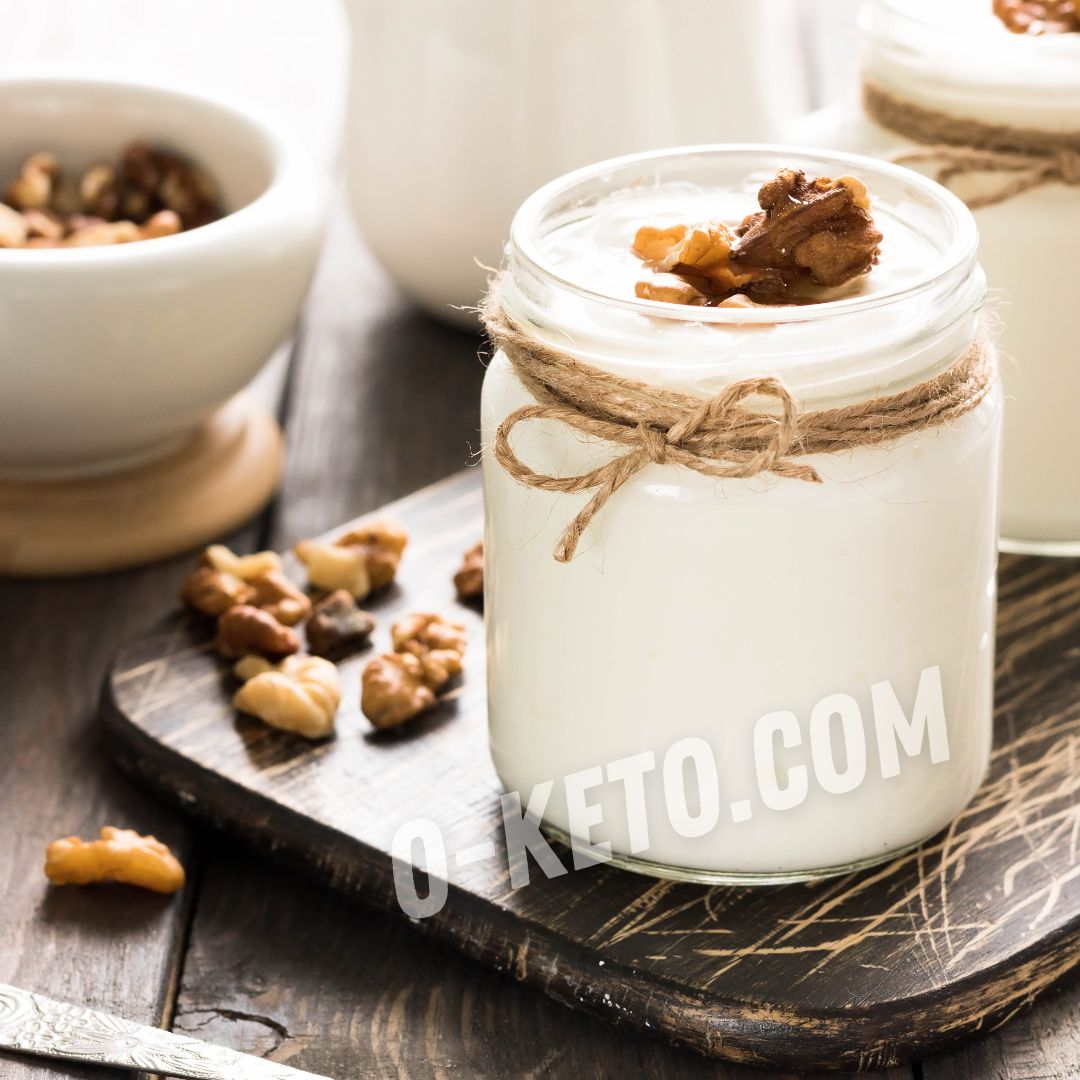

Matsoni is a traditional Caucasian fermented dairy product with gentle acidity, a thick texture and a clean milky taste. It is made by fermenting milk, often cow, sheep, goat or buffalo milk, with a starter culture. In Georgian and neighboring cuisines it is everyday food: eaten on its own, added to cold soups, sauces, marinades and appetizers.
It is important to distinguish matsoni from sweet yogurts. A good product contains no sugar, fruit syrup, starch or dessert flavorings. It is tangy, refreshing and fairly filling, but it still contains lactose, so composition, fat content and portion size matter for keto.
Origin and Taste
Matsoni is associated mainly with Georgian cuisine, although similar cultured dairy products exist in other Caucasus regions. It was made as a way to keep milk longer and create a more expressive taste. In older traditions, the starter was passed from batch to batch, so matsoni could be softer, sharper, thicker or more fluid depending on the milk and family habits.
Its texture is usually close to thick yogurt or cultured milk, but with a more characteristic acidity. It cools spicy dishes, tenderizes meat in marinades and gives sauces body without flour. The taste pairs well with garlic, cilantro, dill, mint, cucumber, radish, lamb, chicken and eggs.
Nutrition
Per 100 g, matsoni may contain about 100 kcal, 3 g of protein, 4 g of fat and 5 g of carbohydrates. Exact values depend on milk, fat content and producer. Homemade matsoni can also vary in density and lactose content, so strict tracking is better based on the label or on a specific recipe.
Matsoni provides dairy proteins, calcium, phosphorus, magnesium, vitamin B12 and sometimes vitamin D if the milk or finished product is fortified. Fermentation makes the taste tangier and may feel more comfortable than regular milk for some people, but individual reactions to dairy still matter.
Is It Keto-Friendly?
Matsoni can fit a low-carb diet if it is unsweetened and the portion is moderate. A practical starting serving is 100-150 g, with carbohydrates counted in the daily limit. A large bowl may already provide a noticeable amount of lactose, especially on a day that also includes cottage cheese, cream, milk or yogurt.
For strict keto, choose a richer natural product without additives. Low-fat versions often satisfy less, and their carbohydrates are not always lower. If matsoni is used as a sauce, it can be mixed with sour cream, olive oil or finely chopped herbs to soften the taste and make the dish richer.
How to Use It
Matsoni works where acidity, moisture and dairy freshness are needed. It can be served with meat, poultry, eggs, stewed vegetables, herbs and spicy dishes. In hot dishes, add it carefully: a fermented dairy base may curdle at a strong boil, so matsoni is usually added at the end or used in cold sauces.
Practical options include:
- sauce with garlic, herbs and salt for meat or poultry;
- marinade for chicken, lamb or turkey;
- dressing for cucumbers, radish and herbs;
- base for a cold soup without potatoes;
- an addition to keto flatbreads instead of sweet yogurt;
- a mild sauce for eggs, zucchini, eggplant or cauliflower.
How to Choose
The ingredient list should be short: milk and starter culture, sometimes cream. Sugar, starch, fruit fillings and unnecessary thickeners make the product worse for keto. If matsoni tastes unexpectedly sweet, check the label: a natural fermented dairy base should not resemble dessert.
Fat content depends on the task. Richer matsoni is better for sauce and gives a rounder taste. A lighter version can work for marinade or cold soup, but the portion still needs to be counted because of lactose.
How to Store It
Matsoni should be kept refrigerated and not left open for long. A sour smell is normal, but mold, gas, bitterness, a sharp texture change or a swollen package mean it should not be used. For sauces, use a clean spoon to avoid faster spoilage.
Homemade matsoni especially needs clean containers. If part of the product is kept as a starter for the next batch, separate it in advance before adding salt, garlic, herbs or other foods.
Limits and Substitutes
Matsoni contains lactose and dairy proteins, so it may not suit dairy intolerance. If cultured dairy causes discomfort, reduce the portion or choose another sauce. On keto, it is also important not to turn matsoni into an all-day drink: several large servings quickly add carbohydrates.
Substitutes include plain Greek yogurt, thick kefir, sour cream, unsweetened ayran or sour cream mixed with lemon juice. A thinner cultured dairy product can work for marinade, while thick sauce is better with sour cream or higher-fat matsoni.
Common Mistakes
The first mistake is sweetening matsoni with honey, fruit or jam and still treating it as the same low-carb product. For keto, use cinnamon, vanilla, lemon zest, herbs, garlic, salt and pepper instead. The second mistake is boiling matsoni in a sauce: it may curdle and form grains.
The third mistake is not counting dairy foods together. If the day already includes cheese, cream and cottage cheese, matsoni is another source of lactose and calories, not a neutral addition. A few spoonfuls as a sauce are usually easier to fit than a large glass used as a drink.


