


Can milk help with poisoning?
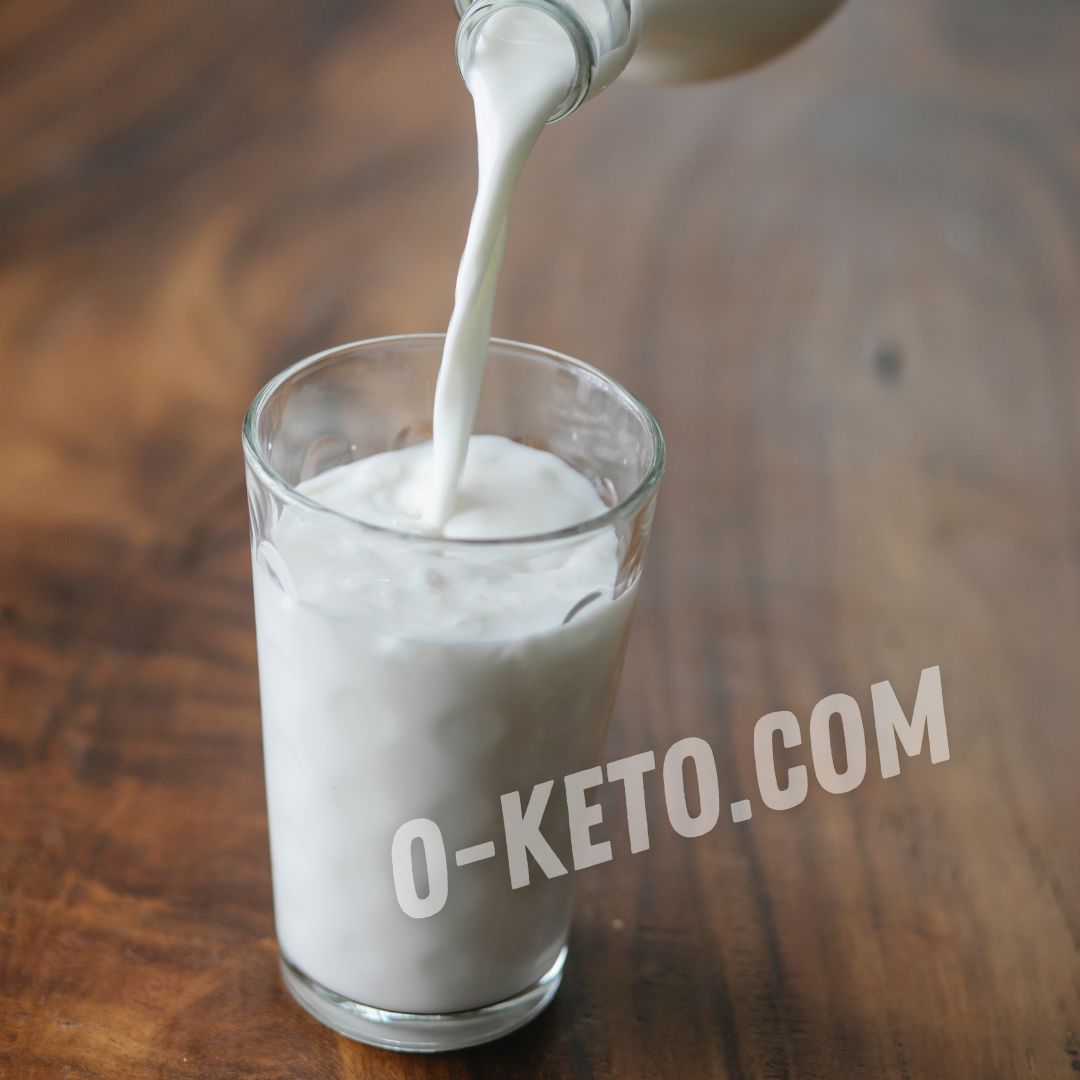
Previously, milk was given for poisoning, as it helps in the detoxification process. It has the perfect ratio of proteins and fats for bile production. However, store-bought milk does not work that way.
Milk proteins contain amino acids — methionine, cysteine, glutamine — that are involved in the synthesis of glutathione, the main intracellular antioxidant and detoxifier.
Milk fats, especially in their fresh form, provide cholesterol and phospholipids, which are necessary for bile synthesis in the liver. And bile — is the main pathway for the excretion of fat-soluble toxins (pesticides, heavy metals, hormone-like substances, bacterial toxins). Therefore, in cases of poisoning, the activation of bile secretion helps to "wash away" some toxins more quickly through the liver-intestinal cycle.
Carbohydrates (lactose) help maintain intestinal microflora, which aids in binding and excreting toxins through the intestines.
Milk proteins can partially adsorb and bind certain poisons in the stomach and intestines (for example, heavy metal salts, some organic poisons). Especially well do they bind lead, cadmium, and mercury ions — due to the presence of sulfur-containing amino acids and calcium.
And this is far from all the benefits of real milk:
- Calcium — binds fatty acids, bile acids, and some toxins.
- Phospholipids — are important for restoring cell membranes after toxic damage.
- Immunoglobulins and lactoferrin — help in bacterial toxic infections.
- Enzymes (in raw milk) — promote natural detoxification (peroxidase, catalase, etc.).
However, none of this works with store-bought milk:
- In stores, we get skimmed, pasteurized, or ultra-pasteurized milk — practically devoid of active enzymes, lactoferrin, and live immune factors.
- The natural ratio of proteins and fats is disrupted.
- The structures of proteins are altered (denaturation), which reduces the ability to bind toxins.
- There are often residues of antibiotics, hormones, and oxidized fats, which, on the contrary, increase the toxic load.
Therefore, in ancient times, milk really helped with poisoning, but now its effect is minimal or even undesirable in some types of intoxications.