




Mercury is a heavy metal, not a nutrient required by the body. The practical goal is not to find a beneficial dose, but to reduce unnecessary exposure and understand the form involved: elemental mercury, inorganic mercury salts and methylmercury behave differently.
Methylmercury in fish and seafood is the most common dietary concern, especially in large predatory fish. Elemental mercury vapor is mainly a risk after spills from old devices, in some workplaces and in specific industrial processes.
Main sources
Mercury exposure can come from several sources:
- large marine fish such as shark, swordfish, large tuna and marlin;
- mercury vapor after damage to old thermometers, lamps or industrial equipment;
- environmental pollution from gold mining, coal burning and industrial emissions;
- some traditional remedies, cosmetics or unregulated products.
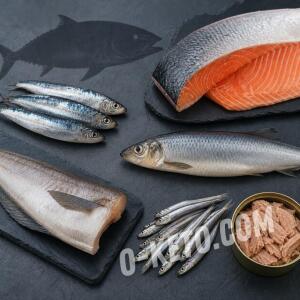
This does not make fish an unhealthy food. Sardines, herring, anchovies, salmon and other low-mercury fish can still provide protein, iodine, selenium and Omega-3 fats.
How mercury affects the body
Mercury mainly threatens the nervous system, kidneys and the developing brain of a fetus or child. Risk depends on dose, duration and chemical form.
Possible signs of excessive exposure include:
- tremor, numbness, tingling or poor coordination;
- irritability, anxiety, sleep problems and memory changes;
- reduced concentration, speech or visual changes with significant exposure;
- kidney injury with some inorganic forms;
- higher risk during pregnancy and early childhood development.
Testing and risk reduction
When mercury exposure is suspected, the first step is identifying the source. Evaluation may include exposure history, occupational factors, diet and tests of blood, urine or hair depending on the suspected form. A single test is rarely enough without context.
Chelation therapy should be used only when medically indicated. Self-treatment with DMSA, DMPS or similar protocols can be risky, especially if the exposure source is still present or kidney, liver or electrolyte problems exist.
Keto and LCHF relevance
Fish is often eaten regularly on keto and LCHF, so choosing low-mercury species matters. The goal is to keep the benefits of seafood while avoiding unnecessary toxic exposure from large predatory fish.
Selenium, adequate protein and good overall nutrition support normal protective systems, but they do not cancel mercury toxicity. Source control and sensible seafood choices remain the foundation.
