


Anosmia
Anosmia is loss of smell that may result from viral infection, inflamed nasal mucosa, polyps, trauma, neurological causes or impaired odor conduction, so the mechanism must be identified rather than treating it as a trivial symptom.



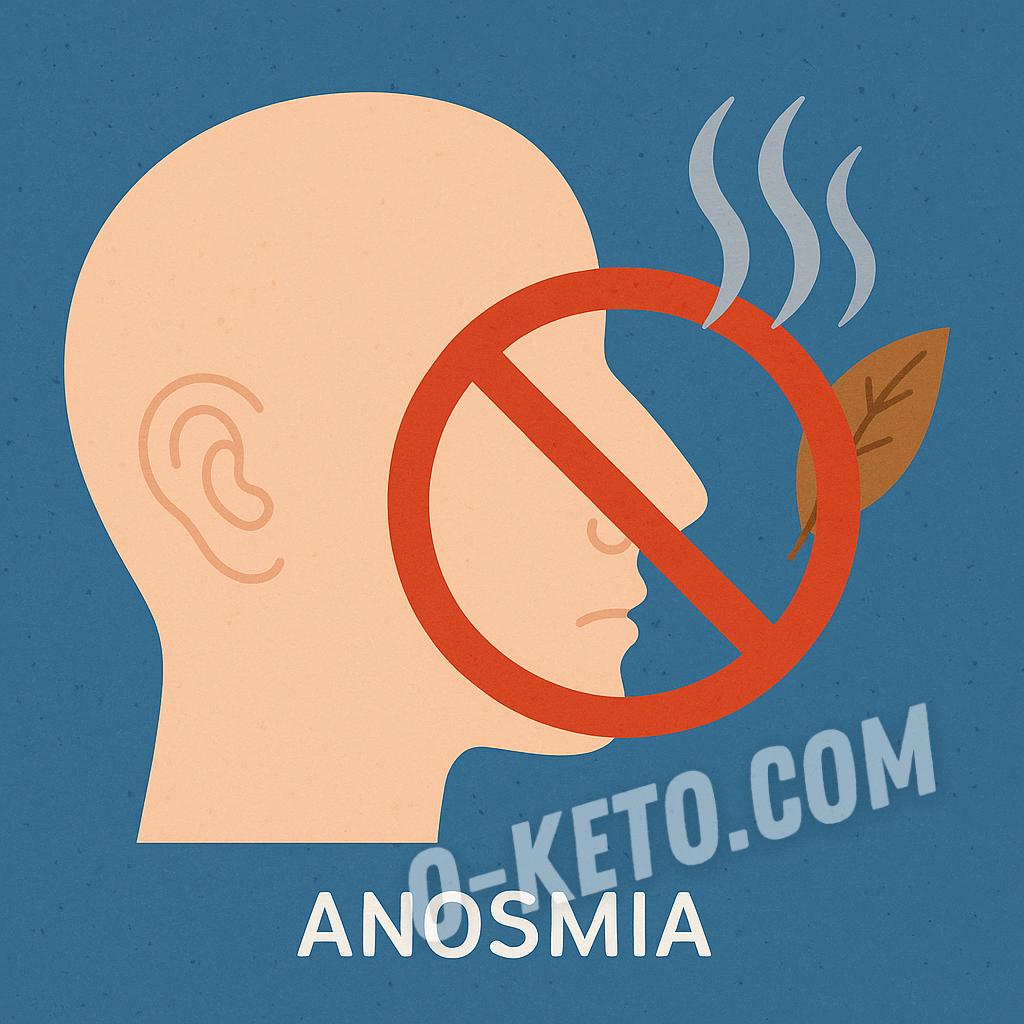
Anosmia is a complete loss of smell, or a situation in which smells are no longer perceived in a meaningful way. In practice, this affects much more than enjoyment of food or perfume. Smell helps detect smoke, gas leaks, spoiled food, overheating equipment and many ordinary danger signals. It also contributes strongly to flavor perception, appetite and quality of life. For that reason, anosmia should not be dismissed as a minor inconvenience; it is a symptom with several possible mechanisms and consequences.
Why smell disappears
Loss of smell may occur because odor molecules cannot reach the olfactory area properly, or because the nervous processing of smell is impaired. The first pattern can happen with swelling, inflammation, severe rhinitis, nasal polyps or mechanical blockage. The second may occur after viral illness, head trauma, certain neurological conditions, some medications or chronic inflammatory damage. The same complaint can therefore point to very different underlying problems.
In some people smell disappears abruptly after infection, while in others it declines gradually with chronic nasal disease or neurological change.
What anosmia is often confused with
Many people say they have “lost taste” when the major problem is actually smell. Much of everyday flavor experience depends on retronasal smell rather than on the tongue alone. Foods then seem flat, strange or monotonous even when the basic tastes of sweet, salty, sour and bitter are partly preserved.
Another common mistake is assuming that smell will always return on its own after a viral illness and never needs attention. Recovery may be slow, incomplete or accompanied by distorted smell perception, which can alter diet and mood.
What deserves assessment
Evaluation should consider recent infection, chronic rhinitis, allergy, nasal polyps, head trauma, surgery, smoking, medications and neurological symptoms. Examination focuses on nasal breathing, mucosal swelling, possible obstruction and signs of deeper neurological involvement when relevant. When smell loss persists without a clear explanation, it should not be left at the level of “wait and see” indefinitely.
Nutrition also matters. Some people eat much less because food becomes joyless, while others seek stronger sweetness, saltiness or intense textures to compensate for lost flavor.
Why anosmia can matter so much in daily life
Loss of smell raises practical risk because a person may not notice smoke, gas, spoiled food or the odor of burning wiring. Some people develop reduced appetite, weight change, anxiety, irritability or a sense of detachment from familiar food and daily routines. That means a symptom that looks localized to the nose can still have wide effects on safety and well-being.
If smell loss leads to weight loss, food aversion or major anxiety, the problem has already moved beyond a minor ENT complaint.
When faster in-person review is needed
More urgent review is needed when smell loss follows head trauma, occurs with neurological symptoms, persists without explanation, is associated with one-sided obstruction, bloody discharge, severe pain or progressive worsening. In such settings it is important to think beyond ordinary rhinitis and exclude structural or neurological causes.
The most useful way to view anosmia is not as a diagnosis in itself, but as a symptom that requires locating the level of failure: odor conduction, inflamed mucosa or disturbed neural processing. Real management depends on that distinction.
Why recovery may be slow
After viral episodes, smell recovery is not always linear. Some people improve gradually, while others develop distorted smell perception in which familiar foods smell wrong or unpleasant. That can disrupt eating and increase anxiety, so prolonged recovery also deserves attention rather than impatient dismissal.
Even when smell loss seems obviously post-viral, it is still useful to assess not only the symptom itself, but also how it affects home safety, nutrition and everyday adaptation.
If you have any questions about the term "Anosmia", you can ask them to AI. Please note, a low-cost OpenAI model is used. It may answer questions about disease treatment with errors!


 1 / 4
1 / 4


 1 / 4
1 / 4
 1 / 4
1 / 4 1 / 4
1 / 4