


Intestine
This part of the digestive system does far more than digest food: it regulates absorption, barrier defense, motility, bile acids, immune signaling and interaction with the microbiome. On low-carbohydrate diets, the practical focus is stool quality, fat tolerance, fiber, electrolytes and warning signs of inflammation rather than vague “cleansing.”


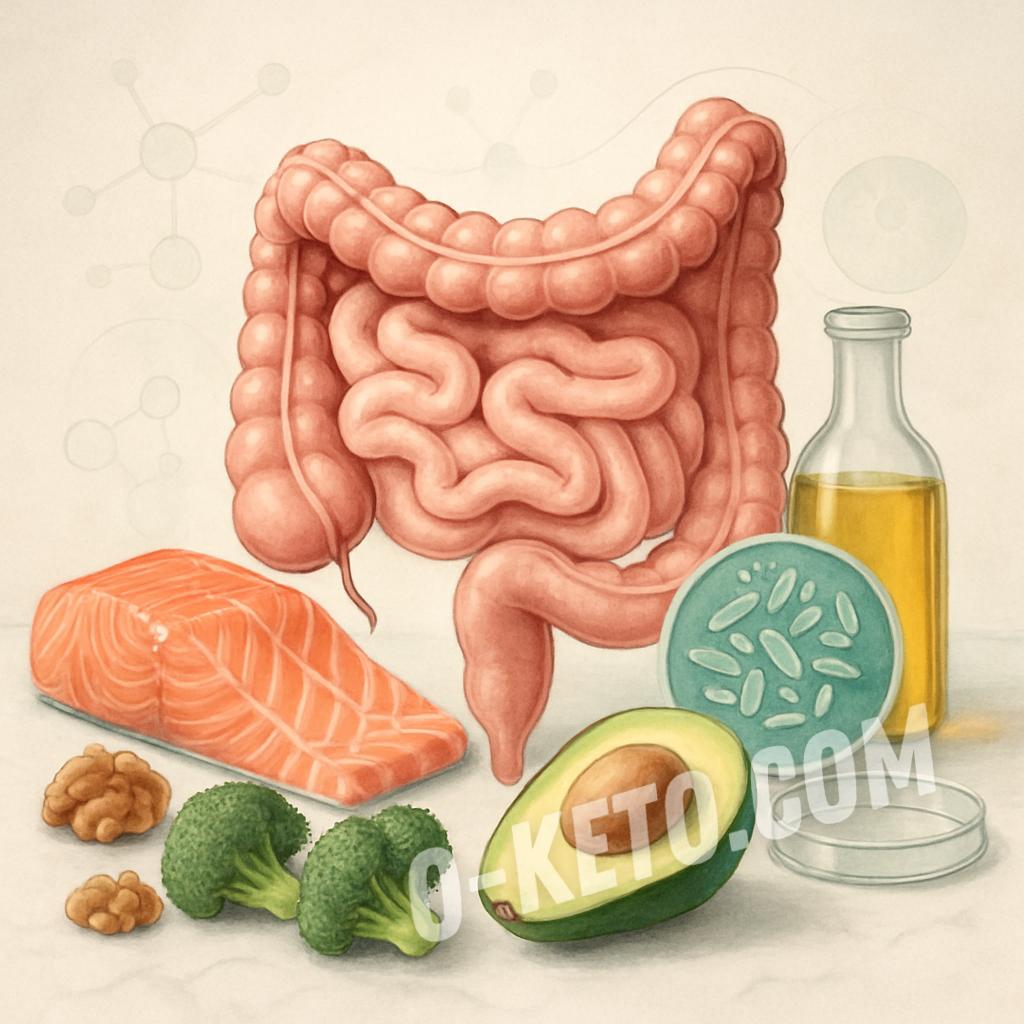
The intestine is the part of the digestive system where food is broken down further, nutrients and water are absorbed, stool is formed and a large part of immune defense is coordinated. It is not just a tube for food. The intestinal lining, enzymes, bile acids, motility, microbiome and nervous regulation together determine how well a person tolerates a diet and benefits from it.
When people talk about intestinal health, they often mix very different issues: constipation, bloating, diarrhea, inflammation, malabsorption, irritable bowel syndrome, bile problems, food intolerance and microbiome changes. These conditions can produce similar complaints but require different decisions. The intestine is better assessed through concrete functions and symptoms rather than fashionable labels.
Main functions of the intestine
The small intestine is responsible for digestion and absorption of most proteins, fats, carbohydrates, vitamins and minerals. This requires pancreatic enzymes, bile, adequate stomach acid, a healthy lining and enough contact time between food and the intestinal wall. When one of these elements is impaired, heaviness after meals, fatty stool, nutrient deficiencies and food intolerance may appear.
The large intestine absorbs water and electrolytes, forms stool and provides an environment for many bacteria. There, dietary fibers and other substrates can be converted into short-chain fatty acids, including butyrate. These compounds support the cells of the lining, local immunity and inflammatory regulation. Intestinal function therefore cannot be reduced to bowel movement frequency alone.
Barrier and immune defense
The intestinal lining must allow useful molecules through while restraining excessive irritants. Barrier function is influenced by inflammation, infections, alcohol, ultra-processed food, protein deficiency, poor sleep, stress, some medications and the state of the microbiome. When the barrier is disturbed, familiar foods may be tolerated worse and bloating, pain, diarrhea or general weakness may become more frequent.
A large part of immune activity is constantly in contact with intestinal contents. This does not mean every immune problem can be solved with a probiotic. But chronic intestinal inflammation, celiac disease, inflammatory bowel disease, parasitic infection or long-lasting diarrhea can truly affect overall condition, weight and deficiencies of iron, B12, folate, magnesium and fat-soluble vitamins.
Keto, LCHF and digestion
During the transition to keto and LCHF, the intestine often reacts to the changed composition of food. Less sugar and flour may reduce fermentation and snacking cravings, but a sudden increase in fat can cause nausea, diarrhea or heaviness, especially if bile flow or pancreatic function is not ideal. In some people, constipation appears not because carbohydrates are absent, but because fluid, sodium, magnesium, food volume or tolerable fiber are too low.
A low-carbohydrate diet does not have to be poor for the intestine. It can include greens, cabbage, zucchini, cucumbers, avocado, fermented vegetables without sugar, moderate nuts, seeds, bone broth, fish, eggs and quality protein. The practical goal is not to copy someone else’s menu, but to find a pattern with normal stool, no constant pain and good fat tolerance.
Symptoms that should not be ignored
Warning signs need medical evaluation: blood in stool, black stool, unexplained weight loss, nighttime diarrhea, persistent vomiting, anemia, fever, severe pain, progressive worsening, prolonged diarrhea after antibiotics or new symptoms at an older age. These situations should not be treated by choosing spices, taking random probiotics or excluding one more food group.
If symptoms are mild and clearly connected with a dietary change, it is more useful to start with basics: fluid and sodium intake, amount of fat in one meal, magnesium, vegetable volume, dairy tolerance, reaction to sugar alcohols, eating speed and portion size. Often the intestine reacts not to “keto” as an idea, but to an abrupt transition or a specific food.
Practical orientation
Good intestinal function is not shown by a perfectly restrictive diet, but by stability. Stool should be regular and not painful, food should provide energy, the abdomen should not be constantly bloated, and laboratory markers should not show deficiencies, inflammation or hidden blood loss. Temporary changes happen to everyone, but persistent symptoms need a search for the cause.
For low-carbohydrate nutrition, the intestine is especially important because it determines tolerance of fat, protein, fiber and fermented foods. If digestion breaks down, even a formally correct diet becomes impractical. The goal is a way of eating that supports the lining, motility, microbiome, bile flow and normal well-being.
If you have any questions about the term "Intestine", you can ask them to AI. Please note, a low-cost OpenAI model is used. It may answer questions about disease treatment with errors!


