


Vascular calcification
Vascular calcification is calcium deposition in the vessel wall that makes arteries stiffer and is linked not only to aging, but also to inflammation, calcium-phosphate imbalance, kidney disease, diabetes and broader vascular risk.


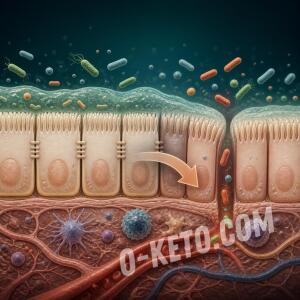

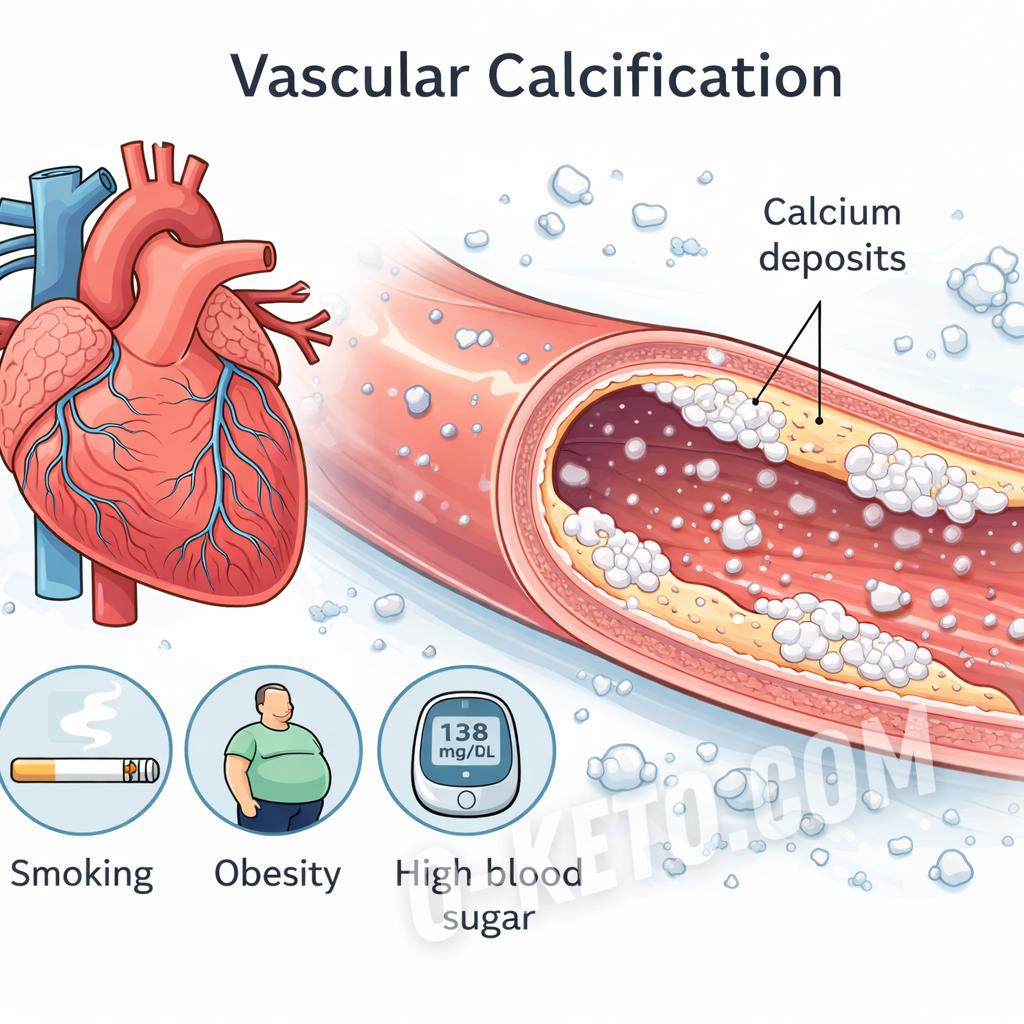
Vascular calcification is deposition of calcium within the vessel wall, making arteries stiffer and less able to perform their normal elastic function. People often interpret this simply as “natural vessel aging,” but in practice the process is not driven by age alone. Chronic inflammation, diabetes, smoking, kidney disease, disturbances of calcium-phosphate balance, vitamin D status, hormonal regulation and overall cardiovascular risk all matter. For that reason calcification is not just an elegant phrase in an imaging report, but a marker that structural remodeling is already happening in the vasculature.
Why calcium ends up in the vessel wall
Calcification is not a passive “salt deposit,” but an active biological process in which vascular-wall cells shift toward a more rigid, mineralizing behavior. This can be promoted by inflammation, oxidative stress, hyperglycemia, calcium-phosphate dysregulation, chronic kidney disease and atherosclerotic injury. That is why vascular calcification often travels together not only with lipids, but also with glucose control, blood pressure, renal function and the wider burden of vascular injury.
A common mistake is to view it only as “too much calcium in the diet,” when the real process is usually much deeper and more systemic.
What it means for the arteries
As the vessel wall becomes more calcified, it loses stretch and dampens the pulse wave less effectively. This may increase arterial stiffness, alter hemodynamics, raise cardiac workload and correlate with higher cardiovascular risk. Calcification may coexist with atherosclerotic plaque or form part of a more complex metabolic story. The clinical meaning therefore rarely lies in the phrase “calcification is present” by itself, but in how that finding fits the person’s overall vascular profile.
Vascular calcification is better understood as a sign of accumulated remodeling and injury than as a random isolated curiosity.
Which conditions are most strongly linked to it
Calcification is especially associated with aging, diabetes, chronic kidney disease, hypertension, smoking, chronic inflammation and disordered lipid metabolism. In some people vitamin D, parathyroid hormone, magnesium and phosphate status are also important, particularly when kidney dysfunction is present. That is why, once calcification is found, it is useful to ask what is happening with glucose, blood pressure, creatinine, phosphate, lipid markers and atherosclerotic burden rather than only debating whether dietary calcium should be reduced.
These neighboring metabolic and renal signals determine how serious the vascular background appears.
Nutrition and practical context
Nutrition matters through the broader metabolic and inflammatory environment rather than through calcium alone as a mineral. Heavy ultraprocessed eating, poor glucose control, chronic caloric excess and nutrient imbalance can worsen vascular conditions. At the same time, it is far too simplistic to think that calcification develops merely “from dairy” or from any calcium-containing food. The practical value of diet here lies in blood-sugar control, weight, pressure and inflammation management rather than in searching for one guilty food.
The more broadly the vascular risk picture is understood, the less likely someone is to get trapped in the myth of “calcium from food coating the arteries.”
When closer review is needed
Closer review is needed when calcification coexists with diabetes, kidney disease, hypertension, lipid abnormalities, atherosclerosis or strong family cardiovascular history. The most sensible way to think about vascular calcification is as a marker of structural vascular remodeling that deserves assessment through the wider metabolic, renal and cardiovascular context rather than through a superficial conclusion based on one imaging finding.
Common mistakes around vascular calcification
A common mistake is to reduce everything to calcium intake and ignore that the vessel wall calcifies in the setting of broader damage and remodeling. The practical meaning of the finding is that it should widen attention toward glucose, kidneys, blood pressure and inflammation. It is within that broader context that calcification becomes clinically understandable.
If you have any questions about the term "Vascular calcification", you can ask them to AI. Please note, a low-cost OpenAI model is used. It may answer questions about disease treatment with errors!

 1 / 4
1 / 4

 1 / 4
1 / 4

 1 / 4
1 / 4

 1 / 4
1 / 4
 1 / 4
1 / 4