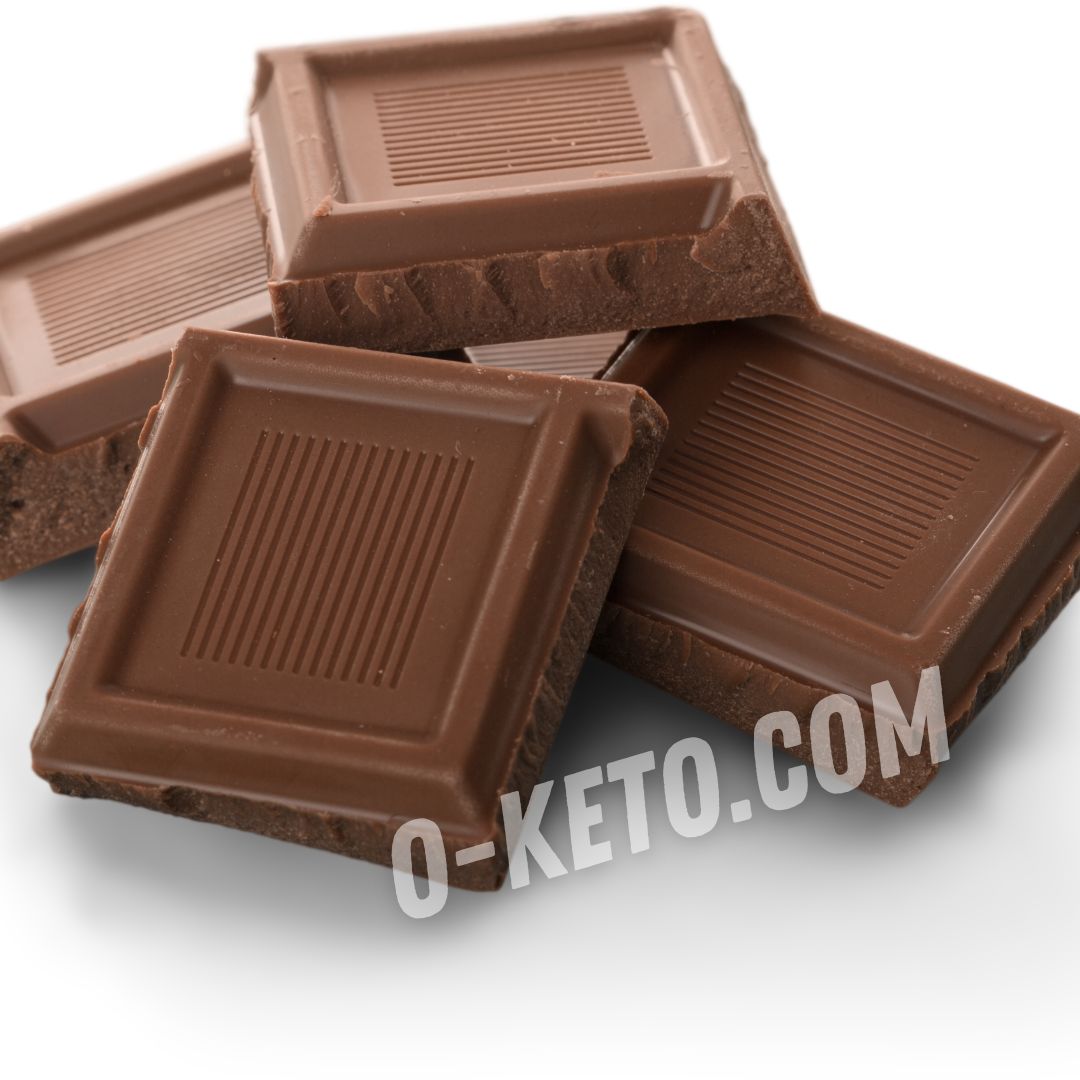

85% chocolate is dark chocolate in which cocoa products make up about 85% of the mass. Usually this means cocoa mass, cocoa butter, a little sugar or sweetener, sometimes vanilla and an emulsifier. Compared with milk chocolate, it is less sweet, more bitter, denser, and more intense in flavor.
For keto and LCHF, this chocolate is interesting not because it has no carbohydrates, but because a small portion usually contains less sugar than ordinary sweets. At the same time, it is calorie-dense, intense, and theobromine plus caffeine-like compounds may be noticeable, especially in the evening.
Nutritional value
In 100 g of 85% chocolate there are often about 580–630 kcal, 50–55 g of fat, 7–10 g of protein, and roughly 20–30 g of total carbohydrates. Part of the carbohydrates is fiber, but sugar is also present unless the product is made with sweeteners. Exact numbers vary a lot by brand.
A practical keto portion is 5–15 g, or one to two small squares. In 10 g there may be about 2 g of total carbohydrates, but this should be checked on the label. Eating a whole bar at once easily turns a keto-style dessert into a significant carbohydrate and calorie load.
Is it suitable for keto?
85% chocolate can fit keto if the portion is small and the ingredient list is clear. It is better to choose bars where cocoa products come first and sugar is not too high on the list. Versions with erythritol, stevia, or other low-carb sweeteners may be more convenient, but they have their own tolerance issues.
It is important to distinguish 85% chocolate from candies, bars, and desserts “with dark chocolate.” Fillings, syrups, dried fruit, wafers, caramel, and glaze change the composition. The cocoa percentage on the package does not remove the need to check carbohydrates per 100 g and per serving.
How to use it
The simplest option is a small piece after a meal, not on an empty stomach. This makes it easier to stop at the planned portion. Chocolate can be grated over unsweetened Greek yogurt, added to chia pudding, melted with cocoa butter or cream, used in a berry sauce, or sprinkled over a mascarpone dessert.
In baking, dark chocolate pairs well with almond flour, coconut flour, nuts, cinnamon, vanilla, coffee, and berries. If melting chocolate, do it gently: over a water bath or in short bursts so it does not overheat and turn grainy.
How to choose
A good bar has a short ingredient list: cocoa mass, cocoa butter, a little sugar or sweetener, sometimes vanilla and lecithin. If there are vegetable fats instead of cocoa butter, many syrups, fillings, and flavorings, it is a different product. A higher cocoa percentage usually means less sweetness, but not always fewer carbohydrates.
Check not only the percentage but also the lines for carbohydrates and sugars. Different brands of 85% chocolate can vary noticeably. For a first try, take a small bar: bitterness, acidity, and astringency differ greatly between cocoa origins.
What to pair it with
85% chocolate pairs well with coffee, nuts, coconut, cream, mascarpone, mint, cinnamon, vanilla, raspberries, strawberries, honeysuckle, and salt flakes. A small pinch of salt deepens the flavor and sometimes reduces the wish to add sweetness.
If a softer dessert is wanted, combine chocolate with a fatty base: cream, cream cheese, coconut cream, or sugar-free nut butter. This rounds the flavor while keeping the chocolate portion small.
Limitations
In some people, dark chocolate can cause reflux, headache, rapid heartbeat, anxiety, or cravings for sweetness. Reactions to cocoa, milk traces, nuts, soy, or sweeteners are possible if they are present. In the evening, chocolate may disturb sleep because of theobromine and a small amount of caffeine.
With strict carbohydrate control, it is better to divide the bar into portions in advance. Chocolate with maltitol may cause digestive discomfort and in some people affect sugar more than expected.
If sweeteners are used, it is worth checking the exact type: erythritol, stevia, inulin, maltitol, and soluble fibers behave differently in taste and tolerance.
How to store it
Keep chocolate in a dry, cool place, away from sun and strong smells. The refrigerator is not always needed: moisture can cause bloom and the bar can absorb odors. White bloom is often fat or sugar bloom; flavor may worsen, but this is not the same as mold.
After opening, wrap the bar back in foil or paper and place it in a closed container. This reduces odor absorption from coffee, spices, and the refrigerator.
What can replace it?
For chocolate flavor, use unsweetened cocoa powder, cacao nibs, 90–100% chocolate, homemade cream ganache without sugar, or a dessert with cocoa and erythritol. If only a bitter accent is needed, coffee, cacao nibs, or a few berries with cinnamon can work.