


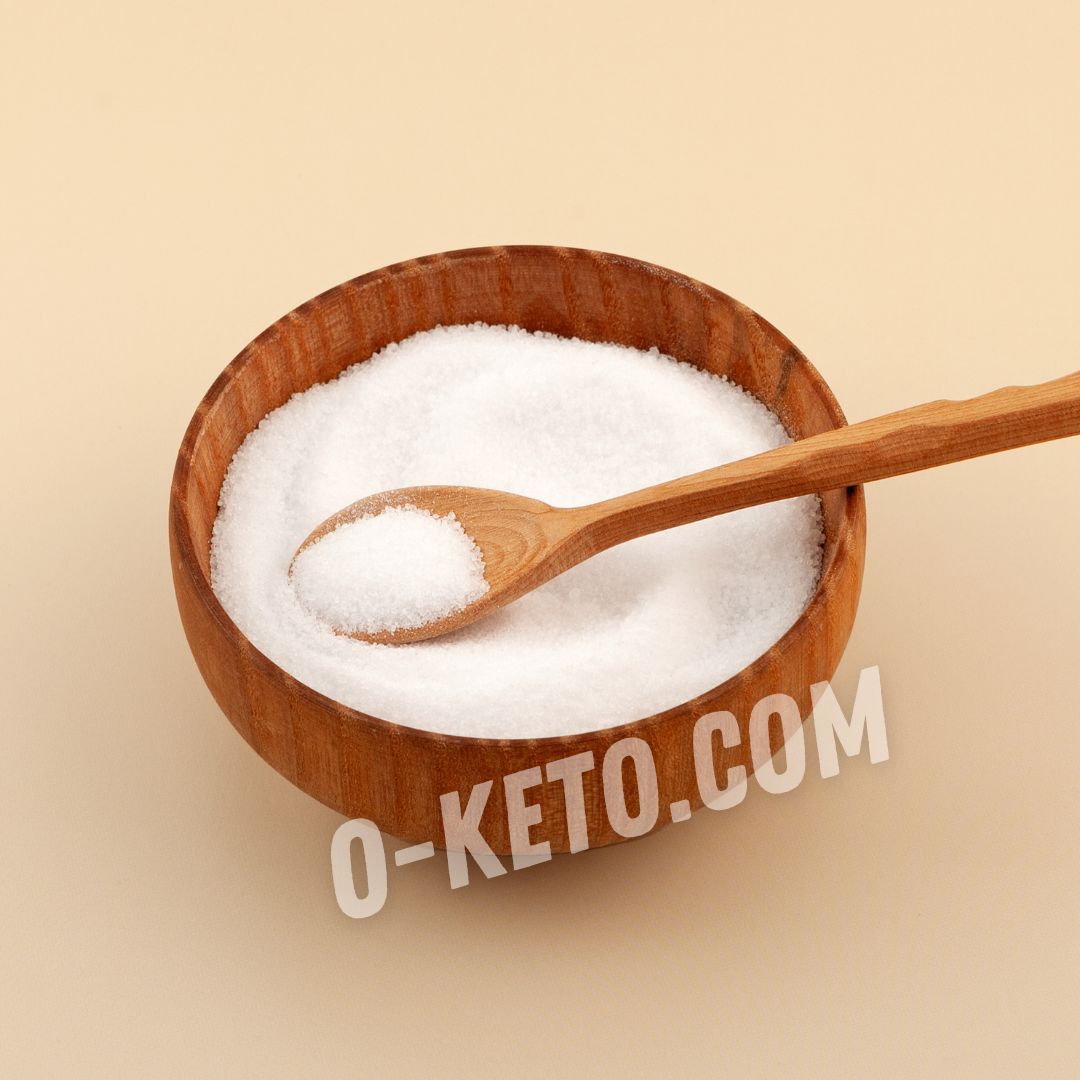

Isomalt is a sugar alcohol, or polyol, made from sucrose. It is used as a sweetener and a technical ingredient in candies, hard caramel, glazes, cake decorations, chewing products, and some low-sugar desserts. It is less sweet than sugar, usually about 45-60% of sucrose sweetness.
The main feature of isomalt is heat stability and convenience for confectionery decoration. It melts well, sets into clear elements, absorbs less moisture than regular sugar, and gives a firm glass-like texture. But it is not a natural unlimited sweetener and not something to eat in large portions.
Nutrition
Isomalt has fewer calories than sugar: usually about 2 kcal per 1 g compared with 4 kcal for sucrose. On labels, the carbohydrates may be listed as polyols. They are absorbed differently from regular sugar, so isomalt usually has a lower glycemic response.
The glycemic index is often given as about 2, but practical response depends on portion size, the rest of the dish, and individual tolerance. If a product with isomalt also contains flour, starch, milk powder, chocolate with sugar, or fruit fillings, the final carbohydrate load comes from the whole recipe, not one sweetener.
Is It Suitable For Keto
Isomalt can fit low-carb desserts better than sugar, but it should be used carefully in strict keto. It is not the same as erythritol in tolerance, and it does not make any dessert automatically keto. Portion size, other ingredients, and digestive response matter.
In practice, isomalt is often needed not for everyday sweetness but for structure: hard candies, firm caramel, clear decorations, brittle elements. If the goal is simply sweetness in a cream or drink, another sweetener may be easier depending on taste and tolerance.
How To Use
Isomalt is melted carefully, usually in a dry pan and without extra moisture. The hot mass causes severe burns, so work slowly, with heat-resistant tools and hand protection. After melting, it is poured into molds or used for threads, figures, caramel sheets, and clear decoration.
In baking, isomalt does not behave exactly like sugar. It is less sweet, affects moisture and texture differently, and in larger amounts may give a cooling sensation and density. It is often combined with other sweeteners to get a more familiar taste.
For homemade keto desserts, test a small batch first. If sugar is replaced one to one with isomalt, sweetness may be lower and texture may change. A large portion of polyols can also cause abdominal discomfort.
For candy work, dryness is important. A wet spoon, damp mold, or steam near the pan can make the clear mass cloudy or sticky. Finished pieces are easier to move after full cooling, because thin decorations bend or crack while warm.
How To Choose
The ingredient list should contain isomalt without sugar, syrups, or starchy additives if the goal is a low-carb recipe. For confectionery decoration, granules or crystals with clear melting instructions are convenient. Ready-made candies with isomalt need a separate check because they may contain other carbohydrate sources.
“Sugar-free” does not mean “carb-free”. Check polyols, total carbohydrates, fiber, and serving size. For sensitive digestion, start with a small amount.
Limits
The main limit of isomalt is tolerance. Polyols may cause bloating, rumbling, gas, and loose stools, especially in larger portions. Children, people with sensitive digestion, and anyone who reacts poorly to sugar alcohols should be particularly cautious.
Isomalt is not for animals: sweets with polyols and other sweeteners should not be given to pets. Finished decorations and candies should also be stored so children do not eat a large amount at once.
How To Store
Dry isomalt should be kept in a tightly closed container, away from moisture and strong odors. Finished elements are best stored dry, away from creams and wet fillings. In high humidity, clear decorations may become cloudy and sticky.
What To Use Instead
For sweetness, isomalt can be replaced with erythritol, allulose, stevia, sucralose, or sweetener blends if they fit the recipe. For caramel decoration, replacement is harder: not every sweetener melts and sets like glass. For soft creams and drinks, isomalt is usually unnecessary; sweeter and more soluble options are easier.


