


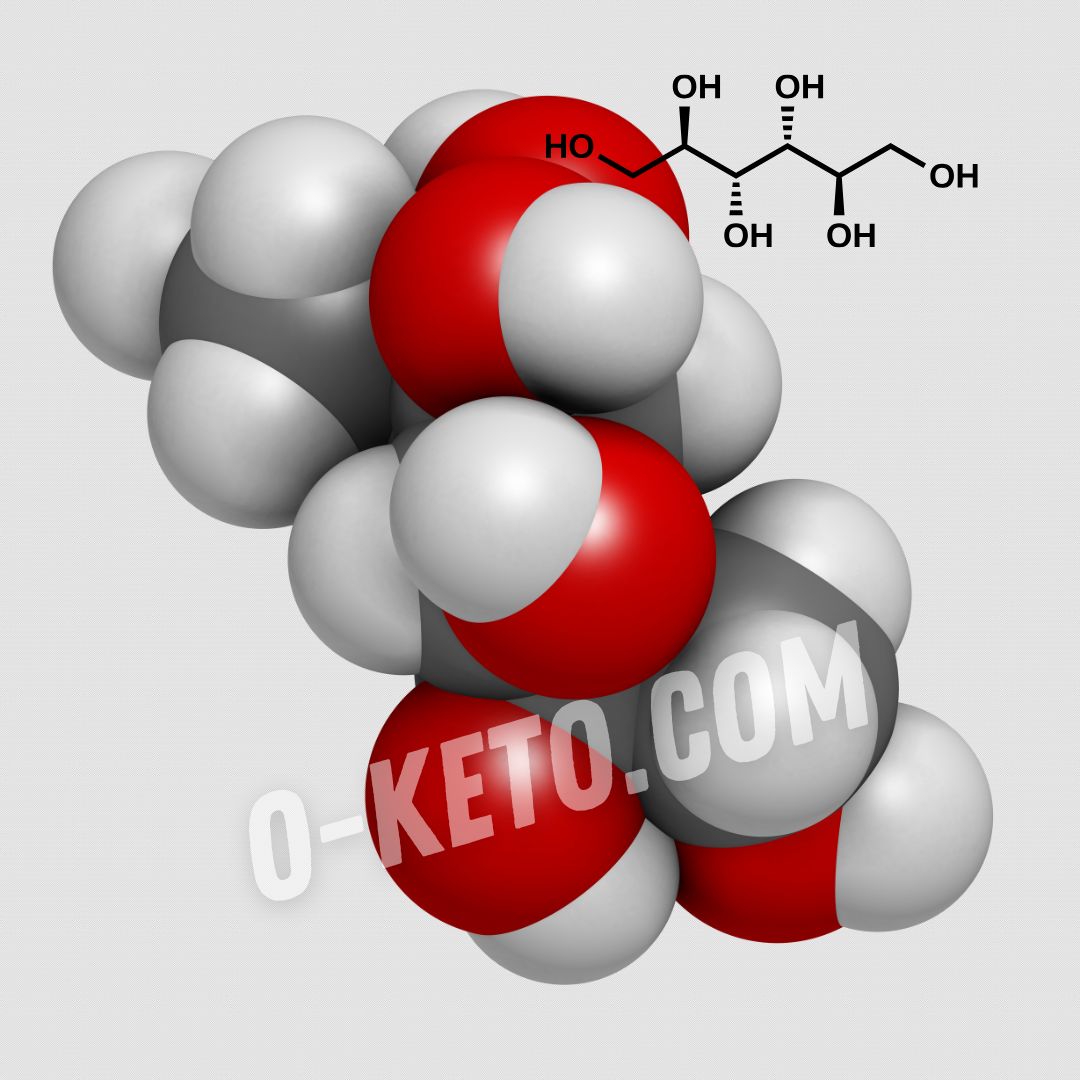

Mannitol is a sugar alcohol from the polyol group. It occurs naturally in some algae, mushrooms, fruits and plants, and in food products it is used as a sweetener, bulking ingredient and component that can give a cooling sensation. It is less sweet than sugar, so the real amount in a product matters as much as the mild sweetness.
Mannitol is often listed at about 150 kcal per 100 g, 38 g of carbohydrates, 0 g of protein and 0 g of fat. Its glycemic index is around 7, and glycemic load is low in a small serving. These numbers make it gentler than sugar for carbohydrate load, but not unlimited. For keto, portion, tolerance and the full product formula matter.
Nutrition
Mannitol provides no protein, fat, fiber or meaningful micronutrient profile. Its role is technological: to sweeten, add bulk, change texture, reduce stickiness or create a cool mouthfeel. That is why it appears in chewing gum, lozenges, some sugar-free candies, tablet products and special food formulas.
Values per 100 g do not mean such a portion is appropriate. The 20-30 g per day sometimes given as a reference may already be a digestive load for many people. In real low-carb cooking, mannitol is usually used in much smaller doses or comes as part of a finished product.
Is It Keto-Friendly?
Mannitol can be compatible with keto in small amounts because it has a low glycemic index and does not behave like ordinary sugar. But strict keto still requires care: polyols take up space in the diet, and sugar-free products often contain additional carbohydrate ingredients.
If mannitol appears on the label, check the whole table: total carbohydrates, polyols, calories, starch, flour, maltodextrin, syrups and fruit fillings. Sometimes a product looks keto-friendly because of one sweetener, while the rest of the recipe makes it inconvenient for low-carb eating.
How to Use It
In home cooking, mannitol is less common than erythritol or stevia. It can be used in small amounts in desserts, but it is not the simplest predictable sugar replacement. Sweetness is lower, behavior in recipes differs, and too much can quickly cause discomfort.
Practical rules include:
- start with a very small dose;
- do not combine several polyols in a large serving without testing tolerance;
- do not treat every product with mannitol as keto automatically;
- count calories if sweets are eaten regularly;
- avoid using it as the main everyday sweetener.
Limits
The main limit of mannitol is gastrointestinal tolerance. Large doses may cause bloating, gas, cramps and loose stool. The reaction is individual: one person may tolerate a small lozenge, while another feels discomfort from a moderate dessert portion containing polyols.
Caution is especially important with sensitive digestion, low-FODMAP eating and known reactions to sugar alcohols. If a product with mannitol is being tried for the first time, it is better not to eat it on an empty stomach and not to combine it with many other sweeteners, fiber or a very fatty dessert.
How to Choose and Substitute
Choose products with clear dosage and a full ingredient list. A lozenge or chewing gum usually contains less mannitol than a large serving of candies or dessert. If the producer does not show the amount of polyols, use total carbohydrates, serving size and personal tolerance as guides.
Mannitol can often be replaced with erythritol, stevia, monk fruit, allulose or sugar-free blends without maltodextrin. If it is needed not only for sweetness but also texture, substitution should be chosen for the exact recipe: gelatin, cream cheese, psyllium or a change in liquid may be needed.
Tolerance Threshold
Mannitol has no universal comfortable dose. Tolerance depends on total polyols during the day, familiarity with sugar alcohols, dessert composition and digestive sensitivity. A new product with mannitol is better tested on a day without other unusual sweeteners in the menu.
If the goal is simply to sweeten coffee, tea or yogurt, mannitol is rarely the most convenient option. For everyday taste, stevia, erythritol, monk fruit or a blend of them is usually easier, while mannitol is better kept for products where its texture role matters.
Substitution options in recipes
Erythritol. Plus 0.02% stevia. Erythritol is less sweet and slightly "cools" the tongue, while stevia compensates for the sweetness without increasing calories. In caramel, erythritol crystallizes—do not use for toffees.


