


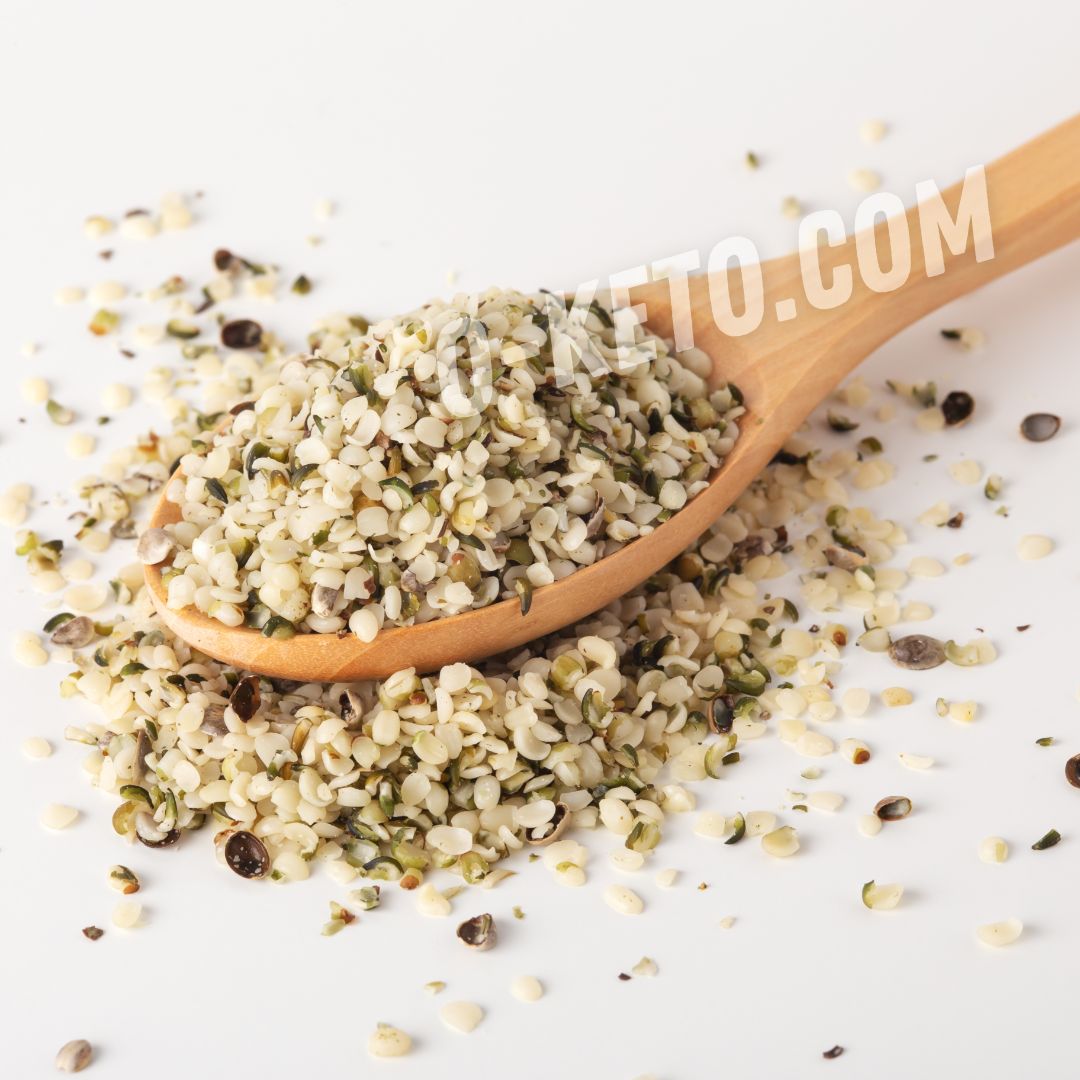

Hemp seeds are edible seeds of industrial hemp, usually sold hulled from the hard shell. They have a mild nutty-grassy flavor, tender texture, and a good balance of protein and fat. It is important not to confuse food seeds with leaves and flowers: the seeds are not a narcotic product, but athletes should clarify the question of THC traces and doping tests according to their organization’s standards.
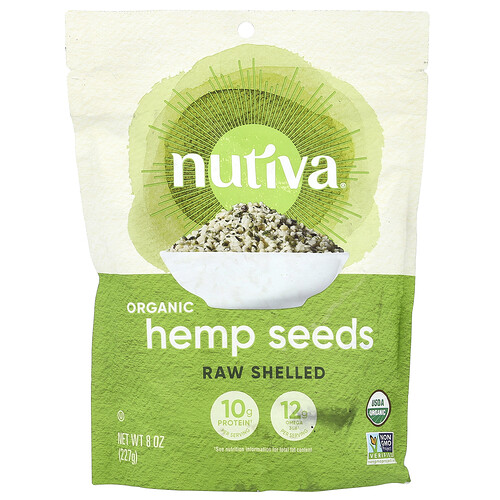
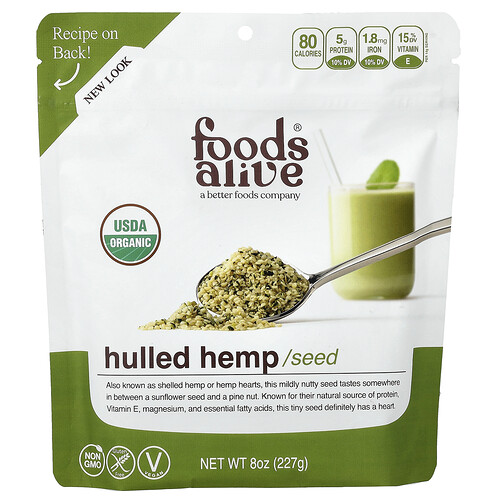
Hulled seeds are often called hemp hearts. They are added to salads, sugar-free yogurt, cottage cheese, keto porridges, smoothies, sauces, vegetable sides, and homemade sugar-free bars. Whole unhulled seeds are tougher and are more often used for sprouting, grinding, or feed mixes, so hulled seeds are more convenient for eating by the spoonful.
Nutritional value
In 30 g of hulled seeds there are usually about 160–180 kcal, 9–10 g of protein, 14–15 g of fat, and a small amount of net carbohydrates. Per 100 g the values are much higher, so portion size matters: the seeds are easy to add generously, especially to porridge or salad.
Hemp seed protein contains all essential amino acids, but that does not mean the product replaces meat, fish, or eggs one to one. They also contain magnesium, phosphorus, potassium, iron, zinc, vitamin E, and B vitamins. The fats are mainly polyunsaturated acids, including omega-6 linoleic acid and omega-3 alpha-linolenic acid.
Are they suitable for keto?
Hulled hemp seeds fit keto and LCHF well when used as an addition rather than a main food. A tablespoon usually contains few net carbohydrates, while adding fat, protein, and texture. They make salad, cottage cheese, or keto porridge more filling without flour or sugar.
Still, this is a calorie-dense food. A large handful can quietly add as much energy as a full snack. If the goal is weight loss or strict calorie control, it is better to measure 15–30 g instead of pouring from the bag by eye.
How to use them
Hemp seeds do not need cooking. Sprinkle them on an omelet, avocado, salad, creamy soup, broccoli, cauliflower, fish, or chicken. They pair well with lemon, olive oil, sugar-free yogurt, herbs, garlic, cucumber, feta, tahini, and nuts.
For keto porridge, mix them with chia, flax, coconut flakes, cream, or unsweetened almond milk. In sauces, they can be blended with water, lemon, salt, and herbs to make a mild nutty base without dairy. In baking, the seeds add flavor and fat, but they do not behave like wheat flour.
How to choose
For everyday cooking, hulled seeds with a light cream or greenish shade are most convenient. They should smell like fresh nuts, not old oil, mold, or grassy dust. The ingredient list should contain only hemp seeds, without sugar, syrups, flavorings, or sweet mixes.
Check packing date and packaging. Because of their high fat content, the seeds are sensitive to light, heat, and oxygen. A clear bag on a warm shelf is not the best option. For frequent use, a small package that can be finished quickly after opening is convenient.
Limitations
Hemp seeds may not suit people with seed allergy or individual reactions to nut and seed products. With sensitive digestion, a large portion may cause heaviness or bloating. It is better to start with one or two teaspoons, especially if the diet is low in fiber.
Because of the fat profile, rancid seeds quickly spoil the flavor of a dish. Bitterness, smell of old oil, and a burning taste are reasons to discard the product. People under strict doping testing should choose verified batches with THC control or agree the product in advance with a team clinician.
How to store them
After opening, the seeds are best kept in the refrigerator or freezer, in a tightly closed package. Do not leave the bag near the stove and do not scoop with a wet spoon. If buying a large amount, divide it into several small containers so the main stock is opened less often.
What can replace them?
In a dish, hemp seeds can be replaced with hulled pumpkin seeds, sesame, chia, flax, pine nuts, almonds, or walnuts. For a protein addition, eggs, fish, cottage cheese, or whey protein isolate can work, but the flavor and texture will be different. In sauces, a similar mild base can come from tahini, cashew paste, or blended seeds.
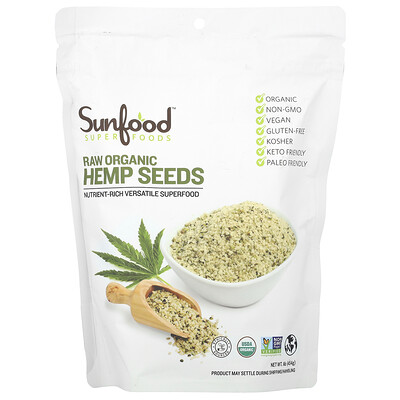
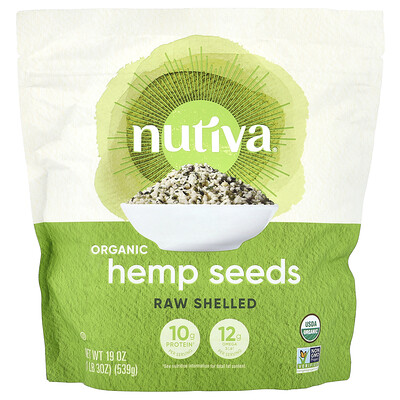
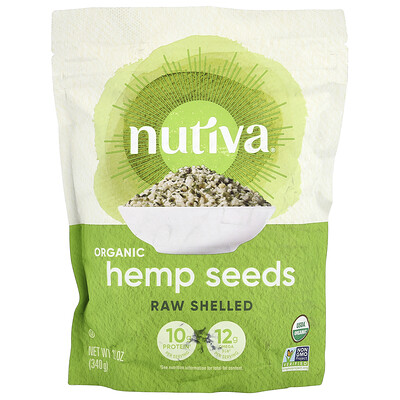
Substitution options in recipes
Chia seeds. 70% seeds plus 30% sesame. The protein and omega profile balance out, chia adds gel formation, sesame provides a sweet-nutty flavor. No soaking is needed, chia gel forms inside the dough.


