
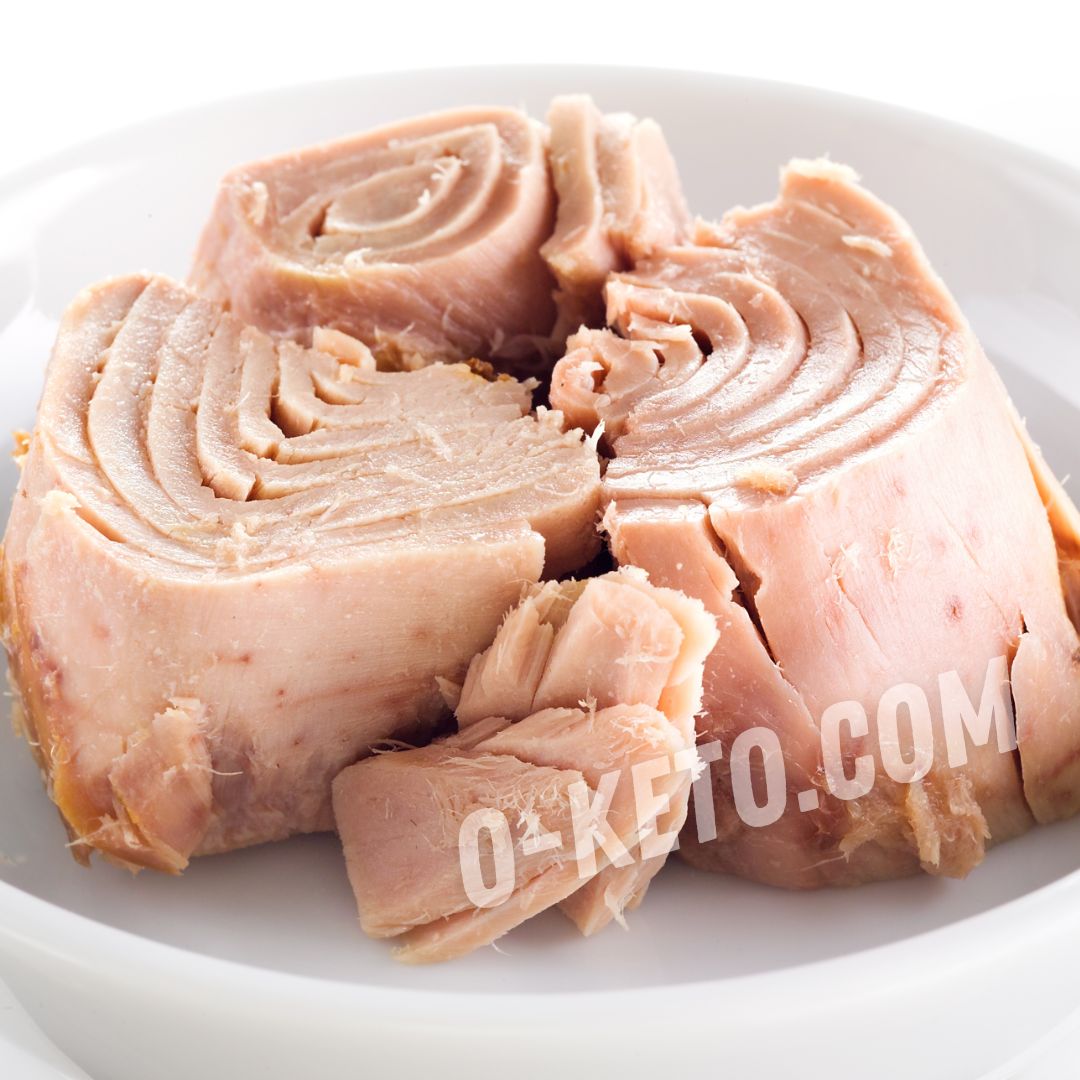

Tuna is a large marine fish with firm flesh, a pronounced flavor, and a high protein content. It is sold as steaks, fillets, frozen pieces, canned in water or oil, and in different species such as yellowfin, albacore, skipjack, bigeye, and bluefin. In cooking, tuna is closer to meat than to delicate white fish: it is dense, dries out quickly, and needs careful heating.
For keto and LCHF, tuna is convenient as an almost carbohydrate-free protein food. But it is usually not very fatty, especially as fillet or canned in water. On a low-carb plate, it is often paired with olive oil, avocado, eggs, sugar-free mayonnaise, creamy sauce, nuts, or a fatty dressing.
Nutrition profile
In 100 g of tuna there are usually about 110–140 kcal, roughly 23–29 g protein, and 1–5 g fat, depending on species and cut. Pure tuna contains no carbohydrates, so glycemic load is practically absent. It may provide B12, vitamin D, selenium, phosphorus, potassium, magnesium, and omega-3 fatty acids EPA and DHA.
Canned products differ by liquid and packing style. Tuna in water is usually drier and lighter in calories, while tuna in oil is juicier, but calories depend on how much oil remains in the dish. If the oil is drained, some calories go away; if it is used in a salad, count it as part of the meal.
Is it suitable for keto?
Tuna fits keto well when it is plain fish without sweet sauces, breading, or starchy additions. It can make a quick meal: salad with egg and mayonnaise, avocado boats, omelet, cheese bake, a plate with cucumber and herbs, or filling for low-carb rolls.
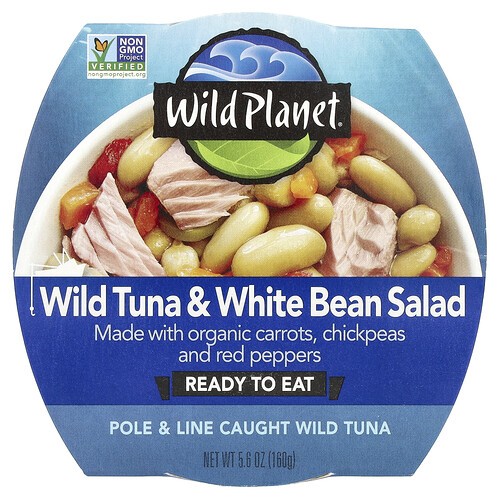
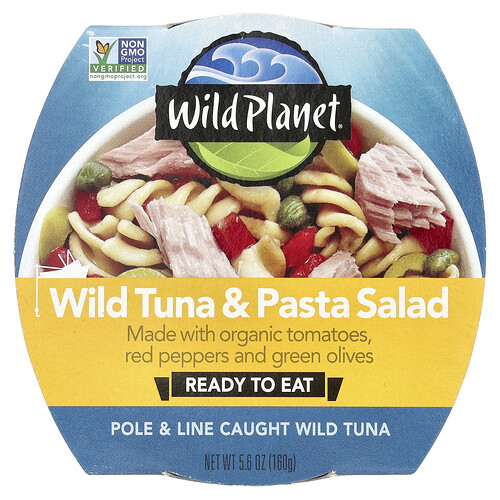
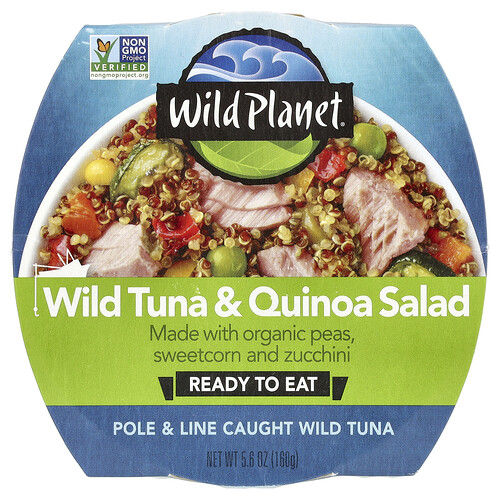
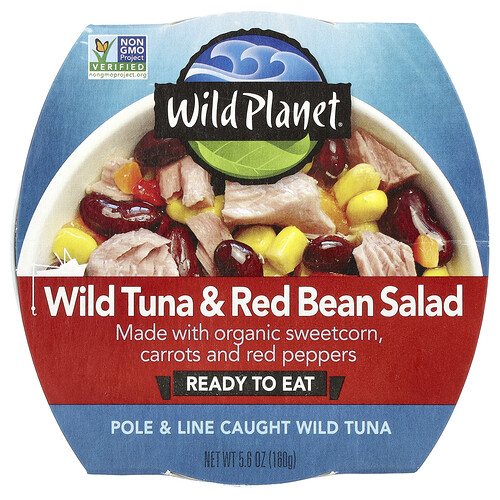
The main mistake is treating tuna as a fully fatty dish by itself. It has a lot of protein and often little fat, so a strict keto menu needs a fat source next to it. Another mistake is buying ready tuna salads without reading the label: they may contain sugar, corn, beans, sweet sauce, or regular pasta.
How to cook it
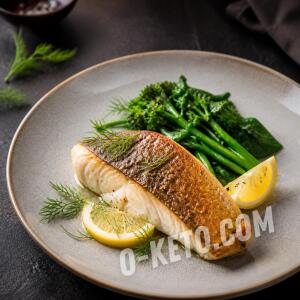
Tuna steaks are best cooked quickly over high heat, often with a pink center if fish quality and the dish format allow it. Fully cooked tuna can easily become dry and fibrous. For a softer result, use a marinade with olive oil, lemon, sugar-free soy sauce, garlic, ginger, or sesame.
Canned tuna is convenient for cold dishes. Mix it with mayonnaise, celery, cucumber, egg, olives, capers, herbs, mustard, or cream cheese. If it tastes dry, add a fatty dressing rather than a lot of salt: salt increases intensity but does not bring back juiciness.
How to choose
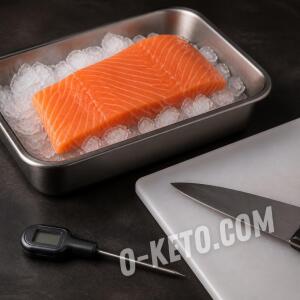
Fresh tuna should smell like the sea, not ammonia or old fat. The flesh should be firm and moist, without slime, dry dark edges, or a rainbow film. Bright red color does not always mean quality: some fish is treated to preserve color, so smell, texture, date, and seller reliability matter more.
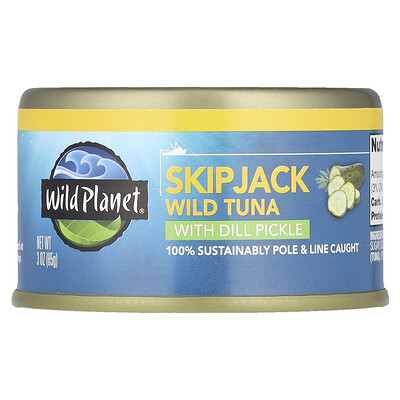
For canned tuna, check species, piece format, ingredients, salt, and liquid. “Chunks” usually hold texture better than fine flakes. For keto, the simplest ingredient list is tuna, water or oil, and salt, without sauces or vegetable fillers. The can should not be swollen, rusty, or badly dented.
Limits
Large predatory fish can contain more mercury, so tuna should not become the daily base of the diet. Pregnancy, childhood, and situations where mercury needs strict control call for smaller species and careful frequency. Raw or semi-raw tuna requires especially reliable quality and proper freezing.
A histamine reaction is also possible if fish was stored poorly. Warning signs are a sharp smell, burning sensation on the tongue, odd sourness, stickiness, or swollen packaging. Such tuna should not be “saved” with spices or strong cooking.
Storage
Fresh tuna should be kept very cold and cooked as soon as possible. Frozen tuna should thaw in the refrigerator, not on the counter. After opening, canned tuna should be moved to a glass or plastic container with a lid and used within 1–2 days. Tuna salad with mayonnaise should not sit long at room temperature.
What can replace it?
In salads, tuna can be replaced by salmon, sardines, mackerel, chicken, egg, or shrimp. For a steak, another firm fish is closest, although the flavor will differ. If a fattier keto substitute is needed, sardines, mackerel, or salmon are often easier. For neutral protein, chicken breast with a good fatty dressing works.
Which tuna types to choose more often
Tuna species differ not only in flavor but also in typical methylmercury levels. FDA advice lists canned light tuna, usually skipjack, among the more preferable options; albacore and yellowfin tuna are higher-mercury choices and should be eaten less often. Bigeye tuna is among the highest-mercury species and is especially unsuitable for pregnant people and children. Advice can vary by country and local monitoring, so rotate tuna with sardines, salmon, and other lower-mercury fish.