
Lists of vitamin “synergists” and “antagonists” look persuasive: vitamin C with iron, vitamin D with calcium, magnesium with calcium, zinc with copper. The problem is that such tables mix different situations. Food combinations are not the same as large doses of separate supplements, and neither is the same as a nutrient interacting with a medicine. Without that distinction, a normal combination becomes a prohibition and a rare interaction becomes a universal rule.
The practical conclusion is straightforward: ordinary food does not need to be separated by the clock because of a long list of “incompatible” nutrients. More attention is needed when high-dose supplements are used, a confirmed deficiency is being treated, or medicines can change nutrient absorption or metabolism.
Why one table cannot describe nutrient compatibility
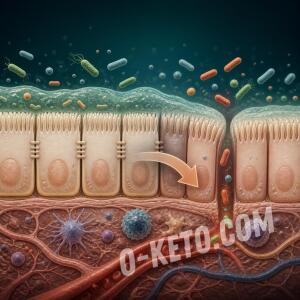
The word “antagonism” may refer to a temporary reduction in intestinal absorption, competition for a transporter, a change in metabolism, or harm caused by chronic excess. These are not the same phenomenon. If a large calcium dose slightly reduces iron absorption from one intake, it does not follow that dairy foods cancel iron throughout the whole diet.
The result depends on chemical form, dose, meal composition, nutrient stores, gut health, and duration. Iron from meat and iron from legumes behave differently; a mineral from food and the same mineral in a 500–1,000 mg tablet are also different situations. The useful question is not “Can calcium and magnesium be combined?” but “Is there a demonstrated interaction for this form and dose that changes what I should do?”
Magnesium and calcium: not universal antagonists
Magnesium and calcium naturally occur together in dairy foods, fish, leafy greens, nuts, seeds, and many other foods. The body regulates their absorption and concentration; simply finding both minerals in one meal does not mean that one will “block” the other.
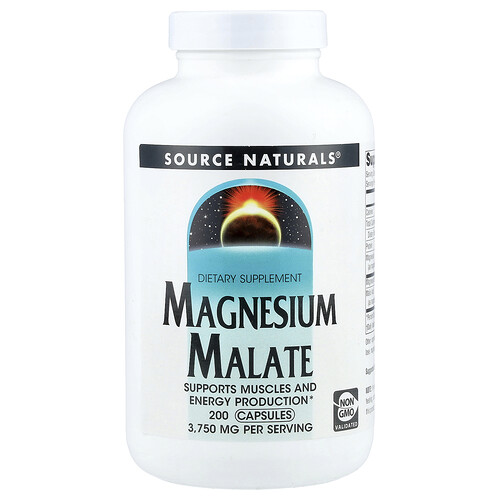
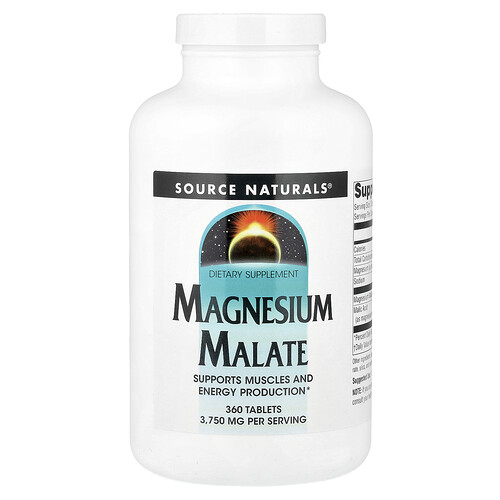
They are physiologically connected: both support muscle, nerve, and bone function. But a physiological connection is not a rule that they must always be taken separately. Official magnesium guidance focuses on interactions with bisphosphonates, certain antibiotics, and very high zinc intakes—not on a general ban against combining magnesium with calcium.
Separating supplements can still be useful for a practical reason: it makes it easier to identify which product causes diarrhea, constipation, or another adverse effect, and it may help follow an individual prescription. That is dose and tolerability management, not a proven universal antagonism. With ordinary food, magnesium and calcium can be part of the same diet.

Combinations with a real basis
These are not “perfect pairs,” but situations in which a specific mechanism or practical reason has been documented:
| Combination | What is established | Practical meaning |
|---|---|---|
| Vitamin C and nonheme iron | Ascorbic acid improves absorption of iron from plant foods and fortified foods. | Vegetables, berries, or another vitamin C source can accompany legumes. This does not mean everyone needs a vitamin C tablet with an iron supplement. |
| Vitamin D and calcium | Vitamin D supports active intestinal calcium absorption and calcium balance. | The relationship is physiological, but extra calcium and vitamin D are not automatically needed by everyone. Diet, tests, age, medicines, and the indication matter. |
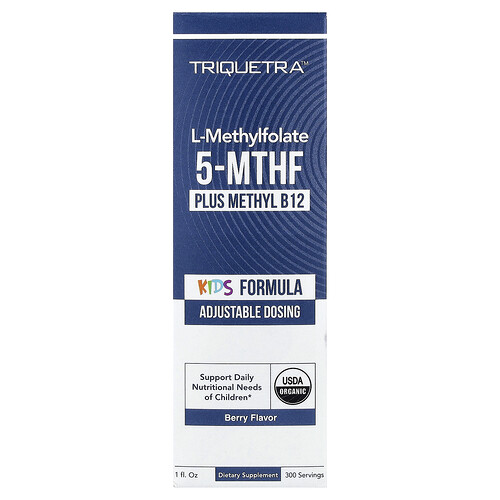
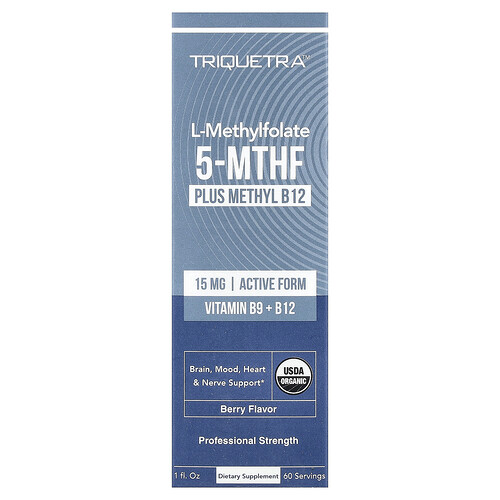
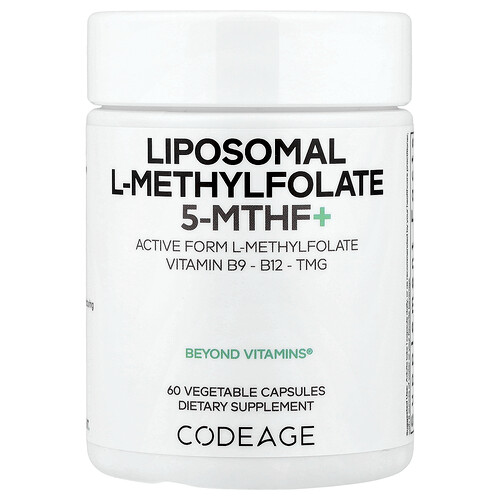
| Folate and vitamin B12 | Both nutrients are involved in blood formation and one-carbon metabolism. | When deficiency is possible, high-dose folic acid should not substitute for checking B12: folate can improve anemia without correcting neurological injury caused by B12 deficiency. |
| Zinc and copper | Chronic high zinc intakes can reduce copper absorption and lead to copper deficiency. | This argues against long-term self-prescribed high-dose zinc, not for adding copper to every zinc tablet. |
Context matters in every example. A combination that makes physiological sense does not mean that a larger dose will improve the result, and an interaction does not mean that a food must be removed from the menu.
When supplements can genuinely interfere
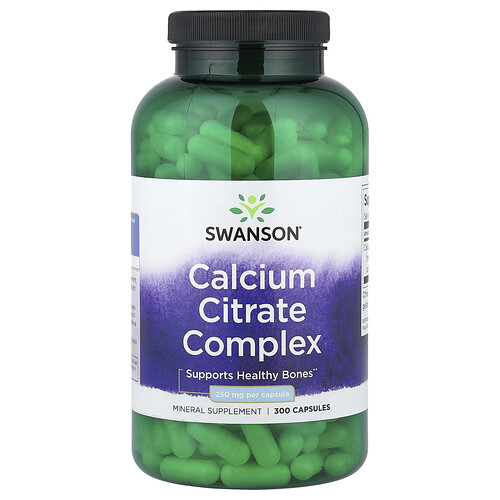
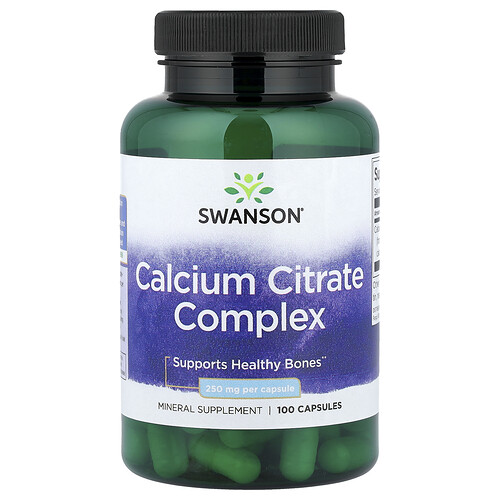
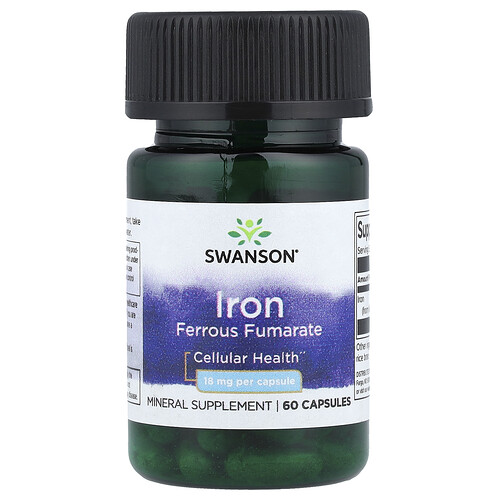
The most practical restrictions concern concentrated supplements. NIH guidance notes that calcium can reduce absorption of both heme and nonheme iron, although the effect is weaker in a typical mixed diet and is not considered definitively established in every setting. For that reason, separate calcium and iron supplements are often taken at different times, especially when iron is prescribed to treat deficiency.
A substantial iron dose taken at the same time as zinc can also reduce zinc absorption. This mainly concerns supplements containing a meaningful amount of elemental iron, not ordinary foods and not every multivitamin tablet. Read the elemental amount on the label rather than the total weight of the mineral salt.
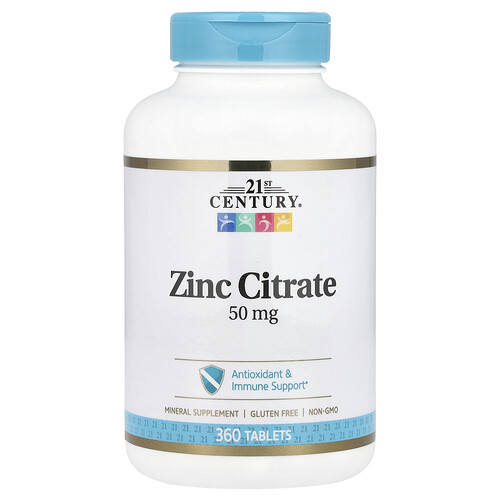
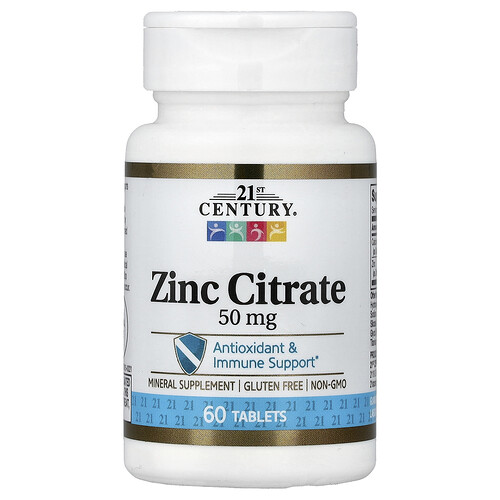
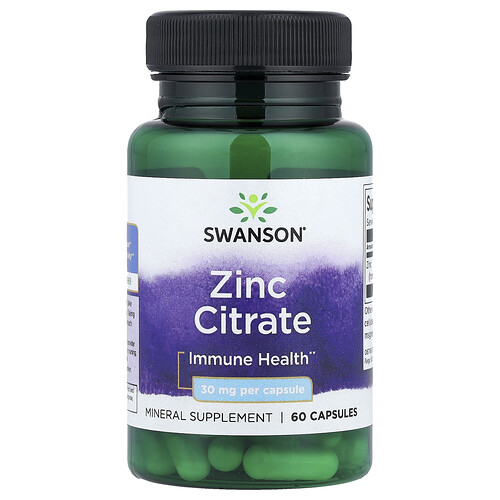
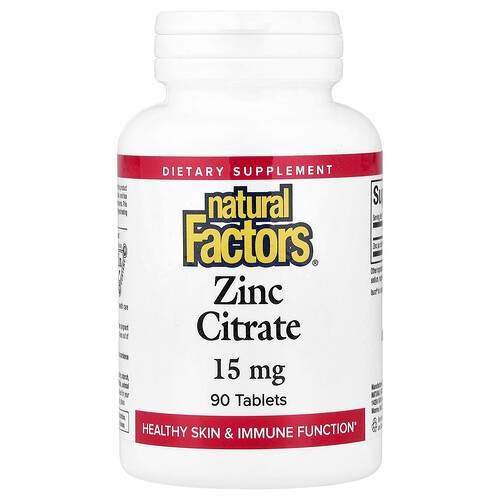
The clearest warning concerns zinc. NIH reference material gives an adult upper limit of 40 mg of zinc per day from all sources; intakes around 50 mg or more for weeks can interfere with copper metabolism. Food rarely provides that much. The usual risk comes from combining several supplements, excessive use of zinc-containing denture adhesive, or taking “immune” doses for months.
Magnesium can also interfere with absorption of some medicines. Magnesium supplements should not be taken too close to oral bisphosphonates or tetracycline and quinolone antibiotics; the exact interval depends on the medicine and its instructions. This is a nutrient–medicine interaction, not evidence that magnesium cannot be combined with calcium or other minerals in food.
Why food is not the same as a supplement
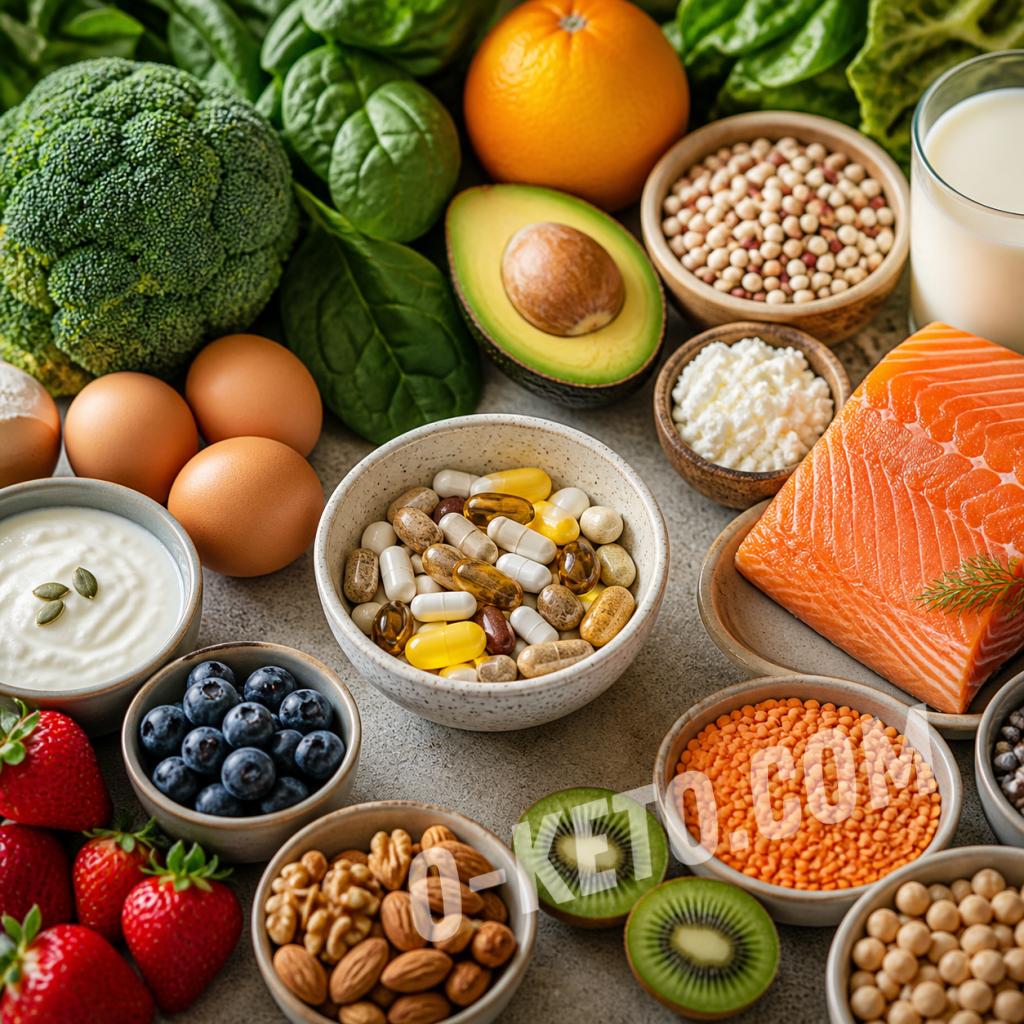
In a complete meal, nutrients arrive in modest amounts together with protein, water, fat, fiber, and organic acids. Absorption takes place in the context of the whole diet, and the body adjusts it according to need. For that reason, fish with greens, eggs with vegetables, yogurt with berries, or seeds with a fermented dairy food should not be judged by the simplistic idea that one mineral will displace another.
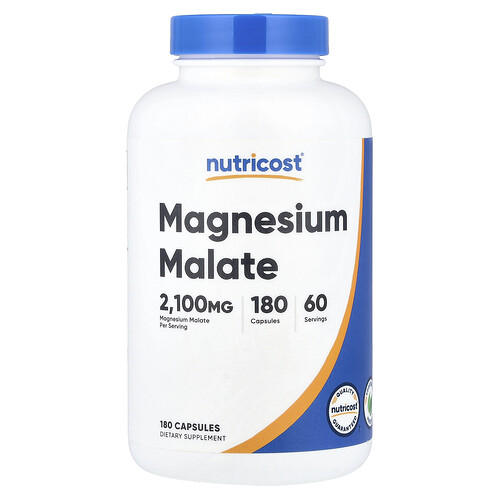
A concentrated supplement creates a different situation. One tablet may contain many times the amount found in an ordinary food portion. If someone takes a multivitamin, separate zinc, magnesium, calcium, and an “immune” product, the total daily dose matters more than the compatibility list printed on each bottle.
Count the total intake of each repeated nutrient rather than the number of bottles. Add up iron, zinc, magnesium, calcium, vitamin D, and other overlapping ingredients, then compare the result with the prescription and tolerable upper levels. With kidney, liver, or intestinal disease, pregnancy, or regular medicines, review the complete plan with a clinician.
What this means for keto and LCHF
Keto and LCHF foods naturally combine several nutrients: eggs provide protein and choline, fish provides protein and minerals, leafy greens provide magnesium and folate, cheese and yogurt provide calcium, and meat and seafood provide zinc, iron, and B12. There is no reason to separate these foods by the clock merely because of “antagonist” tables.
On a low-carbohydrate diet, it is more useful to protect variety and adequacy: rotate fish, meat, eggs, leafy greens, low-carbohydrate vegetables, seeds, nuts, and tolerated dairy foods. If testing shows a deficiency and a clinician prescribes separate iron, zinc, or calcium, follow that plan and account for the other supplements instead of inventing a universal schedule for every mineral.

Which pairs from popular lists should not be treated as rules
Older tables often place vitamin E with selenium, vitamin D with vitamin E, B6 with magnesium, B2 with B9, vitamin C with chromium, zinc with manganese, and phosphorus with vitamin D. These nutrients may share biochemical pathways or physiological processes, but that does not prove that they must be taken together, that one enhances the other in healthy people, or that separating them improves outcomes.
Be especially careful with the words “synergy” and “antagonism.” A useful recommendation needs a specific form, dose, duration, and measurable human outcome. A laboratory pathway in which two substances appear in the same enzyme system does not automatically become a clinical instruction. Much of a long list of pairs is, at most, a hypothesis for further study rather than a ready-made food rule.
How to build a safer supplement plan
Before buying or combining several products, check four things:
- which problem is supported by tests or a diagnosis;
- how much elemental nutrient is already present in each product;
- whether any product contains a high dose of iron, zinc, calcium, or magnesium;
- whether the supplement can affect medicines you take.
Without a specific indication, there is no need to spread every vitamin and mineral across separate hours “just in case.” Start with the diet and remove overlapping products. Separate doses only when the medicine or supplement instructions say so or when a clinician recommends it.
Conclusion
Most vitamins and minerals coexist normally in ordinary food, and magnesium and calcium are not universal antagonists. The practical limits mainly concern high-dose supplements: calcium may interfere with a separate iron supplement, high zinc intakes can lower copper status, and magnesium can bind some medicines in the gut. Judge the combination by the chemical form, dose, duration, total diet, and medicines—not by an attractive table of pairs.
Sources
Key sources:
- Vitamin C — Health Professional Fact Sheet — National Institutes of Health, Office of Dietary Supplements.
- Iron — Health Professional Fact Sheet — National Institutes of Health, Office of Dietary Supplements.
- Zinc — Health Professional Fact Sheet — National Institutes of Health, Office of Dietary Supplements.
- Copper — Health Professional Fact Sheet — National Institutes of Health, Office of Dietary Supplements.
- Magnesium — Health Professional Fact Sheet — National Institutes of Health, Office of Dietary Supplements.
- Calcium — Health Professional Fact Sheet — National Institutes of Health, Office of Dietary Supplements.
- Folate — Health Professional Fact Sheet — National Institutes of Health, Office of Dietary Supplements.
- Vitamin D — Health Professional Fact Sheet — National Institutes of Health, Office of Dietary Supplements.