


Dementia
Decline in memory, orientation and everyday independence in dementia requires searching for causes, assessing vascular and metabolic factors, sleep, medications, hearing, vision and care conditions rather than relying on a label alone.





Dementia is not one disease with one cause, but a clinical syndrome in which memory, reasoning, orientation, language, planning and everyday independence decline over time. For the person and the family, this is far more than occasional forgetfulness. It affects the ability to manage money, use household tools safely, take medication correctly, follow routines and remain independent. The most practical priority is to avoid dismissing the whole picture as “just aging” and to look for factors that are reversible, aggravating or safety-critical.
How dementia differs from ordinary age-related forgetfulness
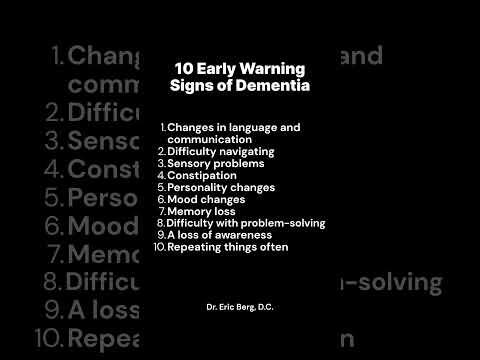
Many older adults become slower, need more time to retrieve names or switch between tasks, and still function independently. Dementia becomes clinically important when the difficulty reaches daily life: missed appointments, repeated questions, confusion in familiar places, trouble handling appliances, impaired judgment, language problems or loss of ability to organize ordinary activities. The defining issue is not only memory, but the erosion of practical function.
Some people present mainly with memory loss, others with language change, poor attention, visual-spatial confusion or altered behavior. That is why dementia does not always look the same at the beginning.
Common causes and major forms
Frequent causes include Alzheimer’s disease, vascular brain injury, mixed dementia, Lewy body disease, frontotemporal processes and other neurological disorders. At the same time, the picture may be worsened or partly mimicked by depression, vitamin B12 deficiency, hypothyroidism, medication side effects, alcohol, chronic sleep disturbance, infection, hearing loss, dehydration or broader metabolic problems. For that reason dementia should never be reduced to age alone without real assessment.
In practical care, it matters not only to name the type, but to identify which factors are actively worsening function today and which of them can still be improved.
What should be assessed besides cognition itself
A thoughtful workup includes not only cognitive testing, but sleep, mood, blood pressure, vascular risk, glucose, thyroid function, B12, folate, medication burden, hearing, vision, hydration and nutrition. Sometimes hearing loss or a sedating drug combination contributes more to confusion than relatives realize. In older adults, even a mild infection, constipation, urinary retention or dehydration can trigger a marked decline in clarity and behavior.
That is why families benefit from thinking of dementia not as a single fixed label, but as a syndrome in which several treatable burdens may sit on top of the main disease process.
Why vascular and metabolic factors matter
Hypertension, diabetes, insulin resistance, obesity, chronic inflammation, inactivity and poor sleep can lower brain reserve and accelerate cognitive decline. This does not mean that diet or supplements cure dementia, but stable glucose, adequate protein intake, correction of B12 or folate deficiency, hydration and blood-pressure control may influence daily resilience more than many people expect.
Any discussion of low-carbohydrate, ketogenic or fasting strategies in older adults with dementia must be filtered through safety. Risks of under-eating, protein deficiency, dehydration, weight loss and drug interactions often matter more than dietary theory.
Why families and home structure matter so much
Dementia care works better when the home is simplified: predictable routine, supervision of medication, safer kitchen and bathroom habits, fall prevention, orientation cues, support for fluids and meals, and calmer communication. Conflict often decreases when relatives understand that lost skills reflect disease rather than stubbornness. That shift helps families respond more realistically and less emotionally.
It is also useful to review hearing, vision, pain, bowel pattern, urination and every regular medication over time. In everyday care, these apparently ordinary details often explain sudden deterioration more than the underlying diagnosis alone.
When urgent in-person assessment is needed
Urgent assessment is needed when confusion appears suddenly, behavior changes abruptly, falls increase, hallucinations emerge, drinking stops, severe drowsiness appears, fever develops or neurological deficits occur. Such changes may reflect delirium, infection, stroke, dehydration, medication toxicity or other acute problems rather than simple progression of dementia.
The most useful way to think about dementia is as a syndrome of impaired cognitive and daily function that requires not only a diagnosis, but continual attention to safety, aggravating factors and quality of life in real daily living.



If you have any questions about the term "Dementia", you can ask them to AI. Please note, a low-cost OpenAI model is used. It may answer questions about disease treatment with errors!


 1 / 4
1 / 4

 1 / 4
1 / 4 1 / 4
1 / 4
 1 / 4
1 / 4