


Recommendations and Scientific Analysis: What Dose of Vitamin C is Needed for Adults and Children for Health and During Illness
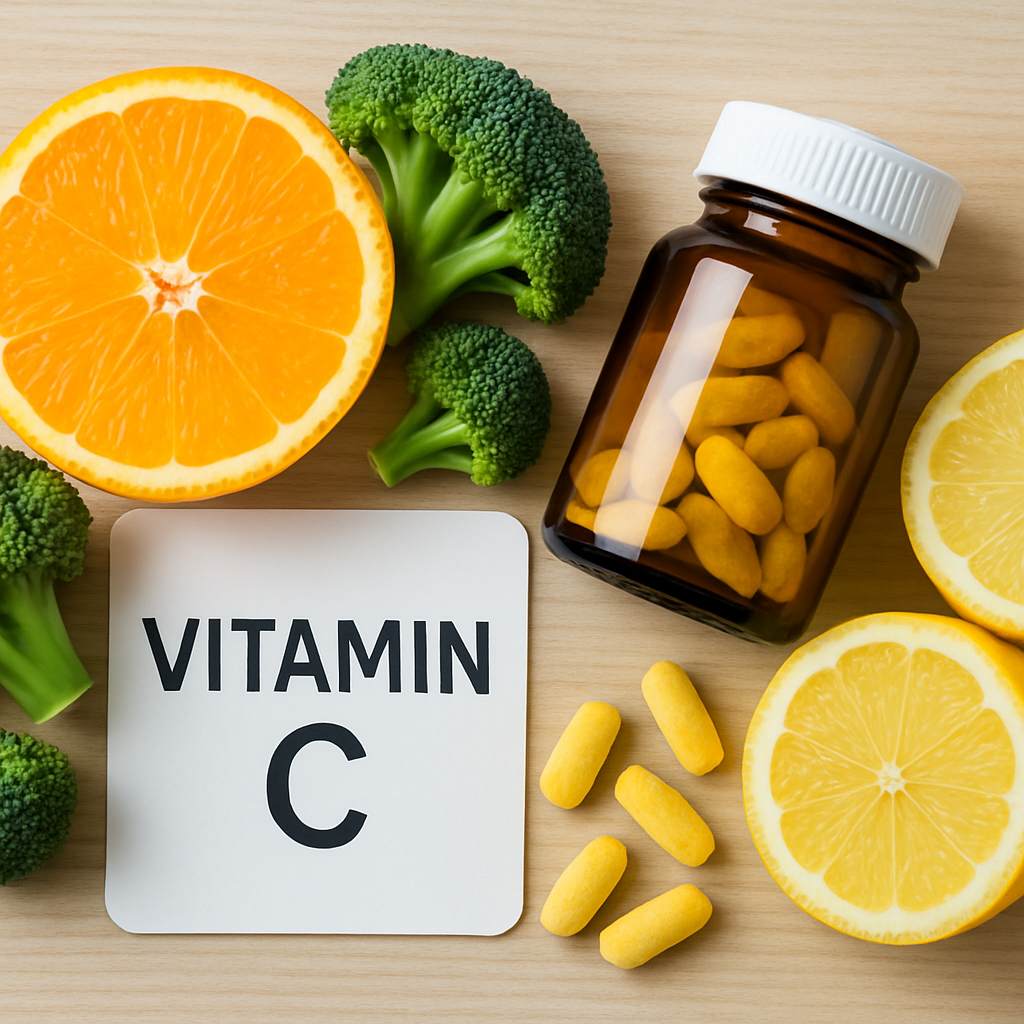

The article discusses scientific data and dosage recommendations for vitamin C for the prevention and treatment of diseases, based on Linus Pauling's research and modern methods of orthomolecular medicine.

Vitamin C has long been recognized as an important element for maintaining immunity and human health. Scientific research and recommended intake norms are constantly discussed, especially in the context of the prevention and treatment of colds.
Linus Pauling, a two-time Nobel Prize laureate, was one of the first to publicly advocate for the benefits of high doses of vitamin C in the 1960s. In his book "Vitamin C and the Common Cold," he recommended taking about 3000 mg of vitamin C per day, which significantly exceeds traditional norms — 60–100 mg per day for an adult.
Linus Pauling's Experience and Research
In 1966, Pauling began taking large doses of vitamin C — initially 3 g per day, later increasing to 18 g. He noted a significant improvement in well-being and a reduction in the frequency and severity of colds. In particular, a Swiss study of skiers confirmed that daily intake of 1000 mg of vitamin C reduces the incidence of colds by 61% and their severity by 65% compared to a control group.
Based on this data and personal experience, Pauling formulated the theory of orthomolecular medicine — an approach to the treatment and prevention of diseases using optimal molecules in high doses. However, his ideas faced critical reactions from the traditional medical community, as not all studies confirmed the effectiveness of mega doses of vitamin C.
Modern Dosage Recommendations
- For prevention, healthy adults usually need only 60–100 mg of vitamin C per day.
- During increased physical activity (sports, military service) and during epidemics, doses of up to 1000 mg per day may be recommended, as supported by clinical studies.
- For children and adolescents, vitamin C doses are usually calculated based on age and weight, often recommending smaller safe amounts to prevent deficiency and support immunity.
Despite the proven benefits of vitamin C in supporting the immune system, excessive doses can cause unpleasant side effects, so consultation with a doctor is necessary for serious illnesses.
Thus, vitamin C remains a key means of strengthening health, especially during the season of acute respiratory diseases, and its optimal dose depends on individual needs and health status.


Promo codes for iHerb
Valid for Saudi Arabia only. Limit two uses per customer with a max discount of $45 USD. Cannot be combined with other offers.
Valid until 03.04.2026
List of YouTube videos on the topic "Recommendations and Scientific Analysis: What Dose of Vitamin C is Needed for Adults and Children for Health and During Illness":