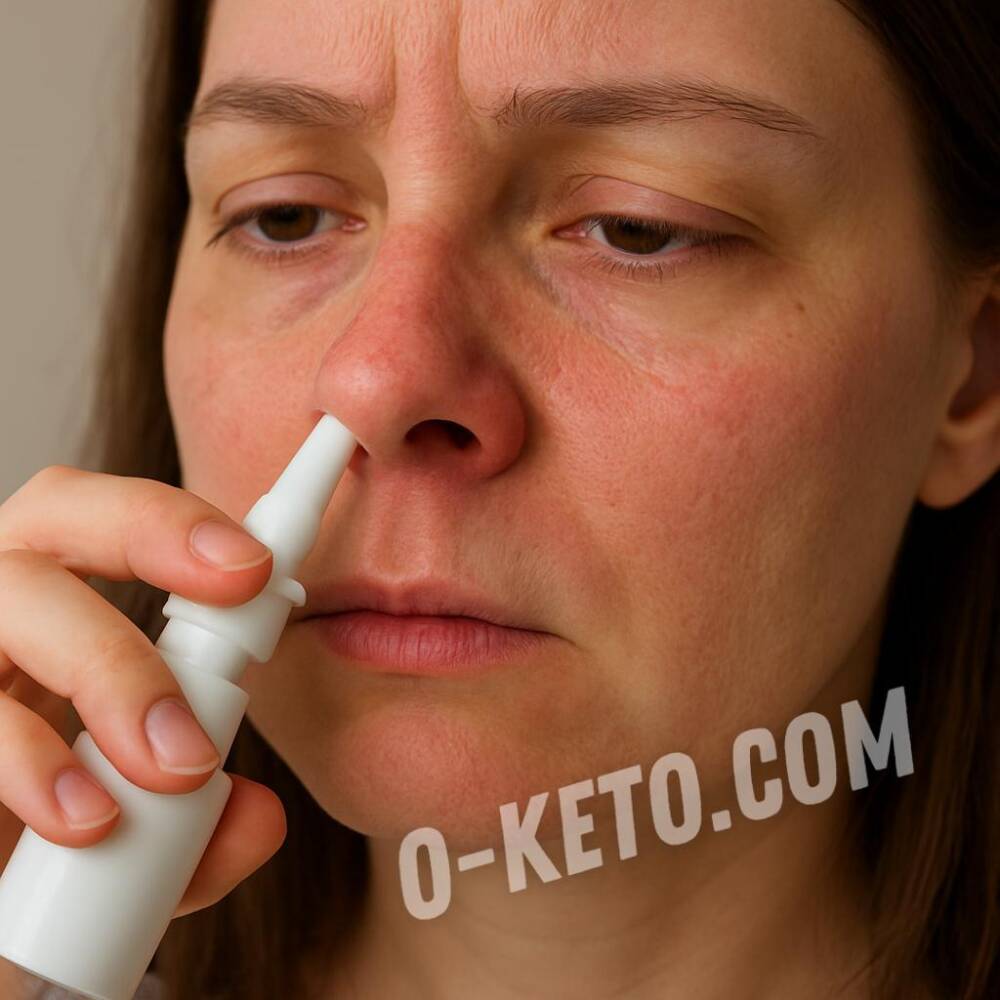
Frequent use of vasoconstrictor drops can lead to serious changes in the nasal mucosa, including atrophy and loss of smell. This is associated with several physiological mechanisms.
How vasoconstrictor drops work
Vasoconstrictor drops (for example, with active ingredients such as xylometazoline, naphazoline, oxymetazoline) cause contraction of the smooth muscle of the blood vessels in the nasal mucosa. This leads to reduced swelling, improved nasal passage patency, and subjective relief of breathing.
However, they act on alpha-adrenergic receptors, which, when frequently stimulated, stop responding adequately — tolerance develops.
Rebound effect and rhinitis medicamentosa
With prolonged use (more than 5–7 days), a condition known as rhinitis medicamentosa, or the "rebound effect," develops:
- Blood vessels, after a brief constriction, begin to reflexively dilate.
- This causes chronic swelling of the mucosa.
- The patient experiences dependence on the drops, without which they cannot breathe.
Mucosal atrophy
Chronic swelling and constant exposure to the chemical substance on the epithelium lead to:
- disruption of tissue trophism,
- decreased microcirculation,
- damage to the ciliated epithelium (which is responsible for mucus clearance and protection against microbes),
- atrophy of the glands that produce mucus.
Atrophic mucosa becomes dry, easily injured, with crusts and microtraumas. Ultimately, this reduces local immunity and makes the nasal cavity vulnerable to infections.
Loss of smell (anosmia)
Olfactory receptors are located in the upper nasal passage. In cases of chronic inflammation and atrophy:
- degeneration or disruption of signals to the olfactory bulb occurs,
- mucus and crusts can physically block the access of odor molecules to the receptors,
- reversible and irreversible changes in the olfactory area are possible.
Conclusion
Thus, vasoconstrictor drops, with excessive and prolonged use, cease to be a therapeutic agent and become a source of chronic disease.
To avoid this, their use should be strictly time-limited, and if longer treatment is necessary, preference should be given to anti-inflammatory and moisturizing agents.