


Why is anemia harmful to health?
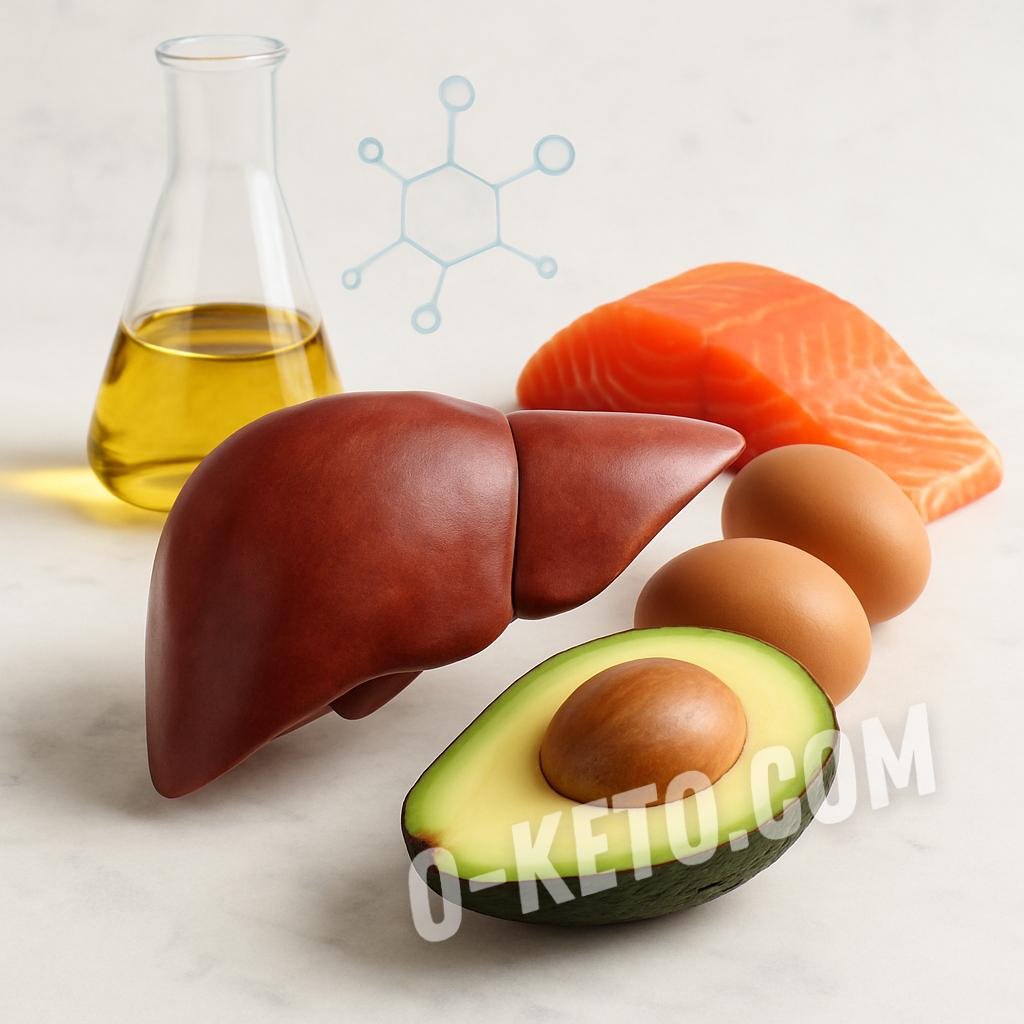
Up to 30% of all the oxygen in the body is consumed by the liver. If you have anemia, it means your body cannot fully supply all organs with oxygen. This means that the proper functioning of the liver is impossible. It cannot perform detoxification and its other functions.
The liver accounts for about 20–30% of the total oxygen consumption by the body at rest. This is explained by its enormous metabolic activity: more than 500 different biochemical reactions occur in it—from the synthesis of proteins and bile to the detoxification of toxins and the processing of nutrients.
Anemia means that the level of hemoglobin or red blood cells in the blood is reduced, which means that oxygen transport to the tissues is impaired.
The liver, which requires a huge amount of oxygen, does not receive enough of it during anemia. As a result, liver hypoxia develops:
- the activity of cytochrome enzyme systems in the mitochondria slows down;
- the efficiency of detoxification decreases (the liver cannot fully detoxify medications, alcohol, metabolic products, ammonia, free radicals);
- protein synthesis is disrupted (albumin, clotting factors, transport proteins);
- bile formation and secretion deteriorate, which additionally reduces digestion and absorption of fats.
The liver is the body's main filter. If it operates under conditions of constant hypoxia, then:
- toxins begin to accumulate in the blood and tissues;
- the burden on the kidneys and immune system increases;
- the damage to liver cells accelerates (development of steatosis, fibrosis, inflammation).
Without normal levels of hemoglobin and adequate oxygen supply, detoxification in the liver is impossible. Therefore, any therapy for anemia is not only a matter of general well-being but also the foundation for the normal functioning of the liver, metabolism, and protection of the body from toxins.