


Fibrosis
A process of excessive connective tissue formation after chronic injury, inflammation, or organ stress. It matters in the liver, lungs, heart, kidneys, pancreas, and other tissues because scarring changes organ structure and gradually reduces function.

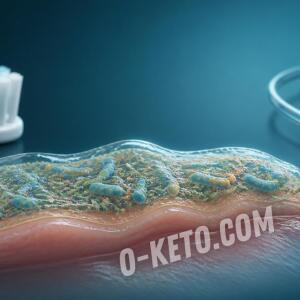
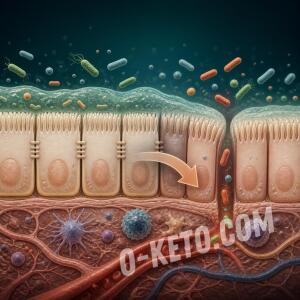

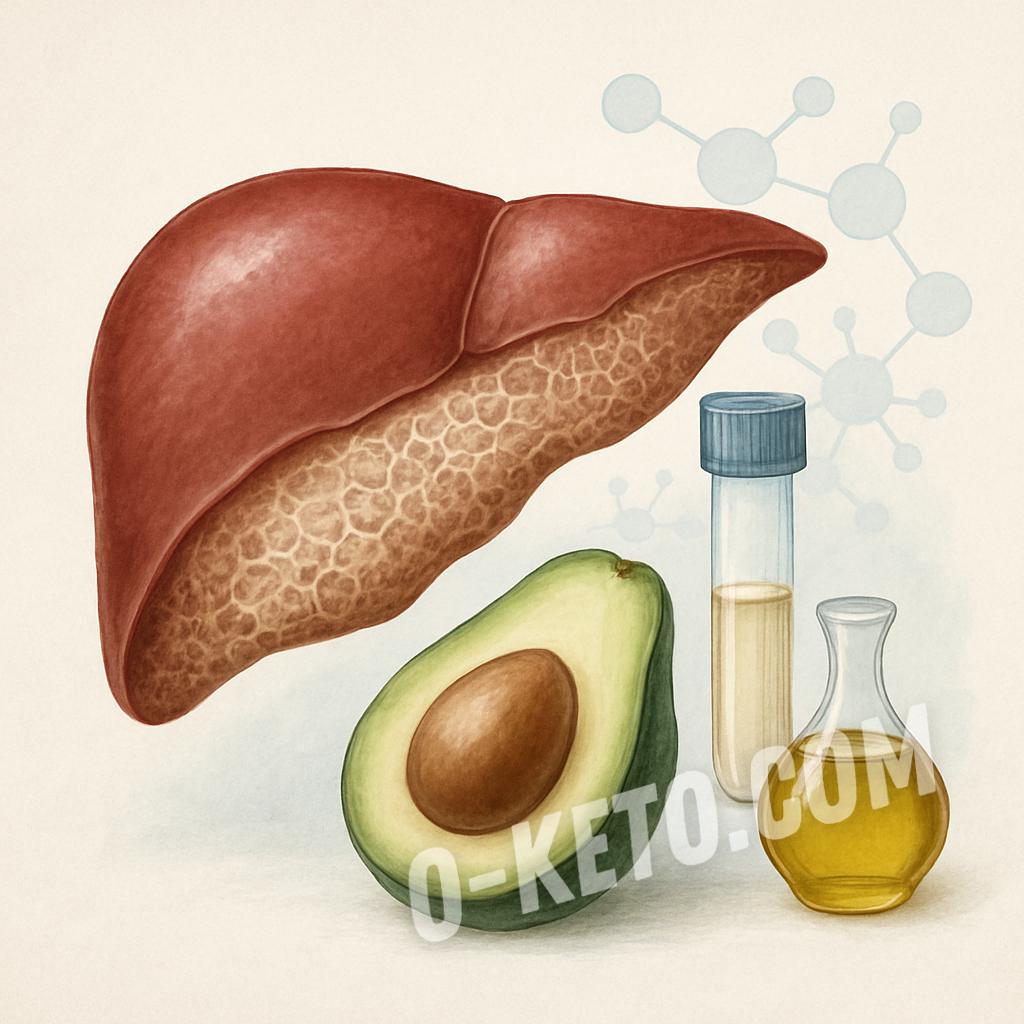
Fibrosis is the excessive formation of connective tissue in response to long-term injury, inflammation, toxic exposure, infection, autoimmune activity, or impaired blood supply. Normal scarring helps close damage and restore tissue integrity. The problem begins when the injury signal does not switch off, and collagen plus other extracellular matrix components gradually replace working cells of an organ.
Fibrosis can develop in the liver, lungs, heart, kidneys, pancreas, intestine, skin, and other tissues. It is not one disease, but a shared mechanism. Consequences depend on the organ: in the liver it can progress to cirrhosis, in the lungs it impairs gas exchange, in the heart it alters relaxation and conduction, in the kidneys it reduces filtration, and in the pancreas it can disturb enzyme and hormone function.
How scarring forms
When tissue is injured, inflammatory cells, fibroblasts, hepatic stellate cells, or similar organ-specific cells become activated. They produce collagen and matrix to stabilize the damaged area. If injury is brief, some changes may regress. If the stimulus persists for years, matrix accumulates, distorts tissue architecture, compresses small vessels, and interferes with normal cell function.
A key issue is that fibrosis can remain quiet for a long time. The liver may produce few symptoms despite significant scarring, the lungs may cause only exertional breathlessness, the kidneys may show high blood pressure and laboratory changes, and the heart may show fatigue or poor exercise tolerance. Risk assessment should not wait until symptoms become dramatic.
Metabolic causes
In nutrition and metabolism, liver fibrosis is especially important. Visceral obesity, insulin resistance, sugar, fructose, alcohol, high triglycerides, sleep apnea, and chronic inflammation can support fatty liver disease and its progression. In some people, inflammation develops into steatohepatitis and then fibrosis. This is not only a body-weight issue: lean people with metabolic dysfunction may also be at risk.
Low-carbohydrate nutrition can help when it reduces sugar load, insulin, triglycerides, visceral fat, and alcohol cravings. But the diet must remain nutrient-dense: adequate protein, vegetables, choline, omega-3 fats, minerals, and energy without overeating. Keto built from processed fats, alcohol, protein deficiency, and no movement is not an anti-fibrosis strategy.
Diagnosis and monitoring
Fibrosis is assessed differently depending on the organ. For the liver, clinicians may use ALT, AST, GGT, platelets, risk scores, elastography, ultrasound, MRI, and sometimes biopsy. For the lungs, CT imaging, spirometry, and oxygen saturation matter. For the kidneys, creatinine, eGFR, albuminuria, blood pressure, and ultrasound are used. One normal test does not always exclude early scarring, and one elevated enzyme does not prove it.
The cause must be identified. Fibrosis caused by viral hepatitis, alcohol, autoimmune disease, medication, fatty liver disease, bile reflux, occupational dust, or chronic infection requires different approaches. Supplements with anti-fibrosis promises do not replace removing the cause and monitoring change over time.
What may help
At early stages, some fibrotic changes may decrease when the damaging factor is removed. For the liver this may mean stopping alcohol, treating viral hepatitis, controlling diabetes, reducing visceral fat, resistance training, sleep, and adequate protein. For the lungs, it may mean stopping exposure to dust, treating inflammation, not smoking, and addressing the underlying disease. For the kidneys, blood pressure, glucose, urine protein, and medication plans matter under medical care.
Protein should not be feared automatically. In cirrhosis, chronic kidney disease, or severe heart failure, protein targets are individualized, but chronic protein deficiency worsens muscle, immunity, and recovery. A simplistic rule that fibrosis means less protein and fat can be harmful if the affected organ, stage, and laboratory results are ignored.
Practical conclusion
Fibrosis is the result of long-term tissue injury, not a cosmetic change inside an organ. The main task is to identify the source of the signal, assess the stage, and stop progression. Nutrition, lower visceral fat, avoiding alcohol, glucose control, sleep, and movement can be important parts of the strategy, but treatment depends on the organ and cause. The earlier the process is recognized, the better the chance of preserving tissue function.
If you have any questions about the term "Fibrosis", you can ask them to AI. Please note, a low-cost OpenAI model is used. It may answer questions about disease treatment with errors!


 1 / 4
1 / 4

 1 / 4
1 / 4

 1 / 4
1 / 4


