


The Role of Coenzyme Q10 and Acetyl-L-Carnitine in Orthomolecular Medicine: Supporting Mitochondria for Enhanced Energy and C...
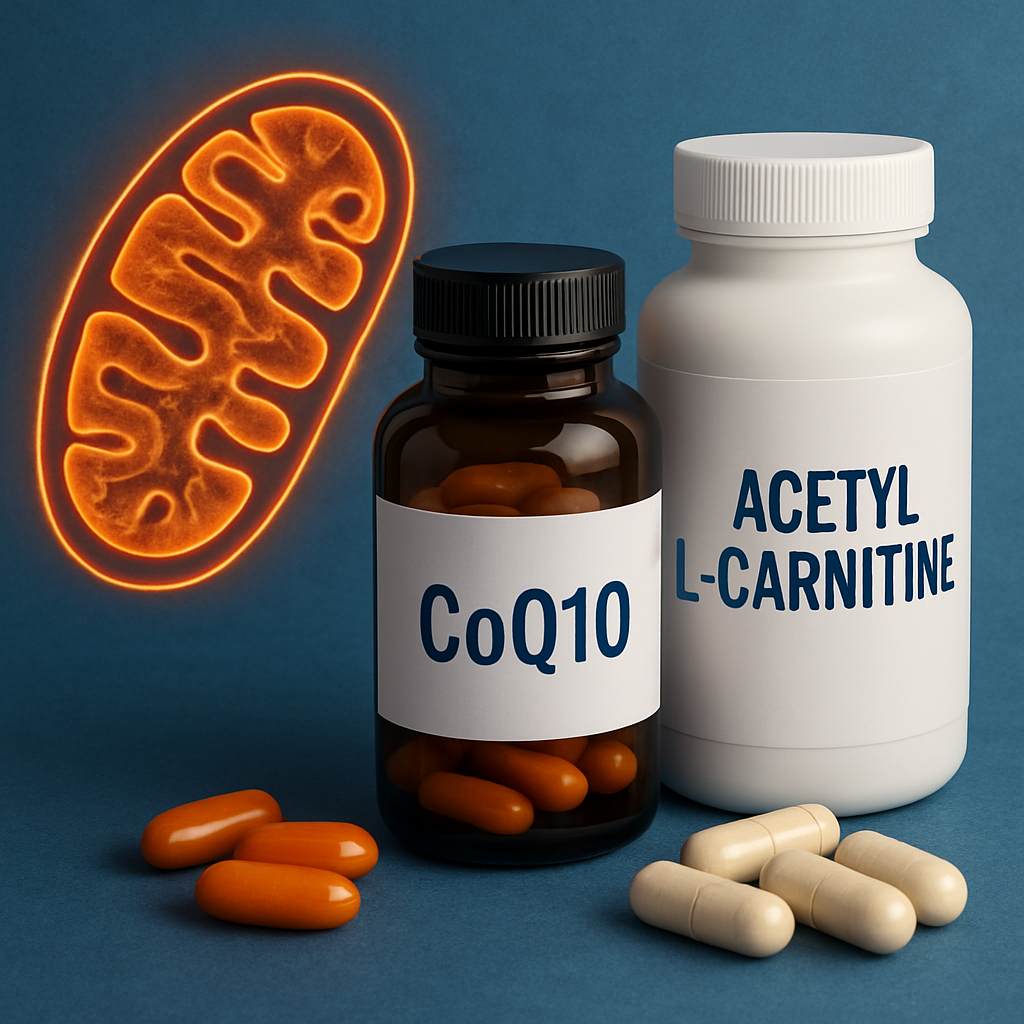

Coenzyme Q10 and acetyl-L-carnitine play an important role in functional medicine by optimizing mitochondrial metabolism and improving physical endurance and cognitive abilities, especially in cases of chronic fatigue and age-related changes.

Modern research increasingly highlights the key role of mitochondria — the energy centers of the cell — in maintaining health and treating various chronic conditions. Orthomolecular and functional medicine actively utilize compounds such as coenzyme Q10 and acetyl-L-carnitine to optimize mitochondrial metabolism and enhance the body's energy potential.
Recent data indicate that in cases of fibromyalgia and chronic fatigue syndrome, the use of coenzyme Q10 significantly improves physical performance. Similarly, acetyl-L-carnitine has a pronounced positive effect on elderly individuals experiencing fatigue symptoms, helping to increase energy levels and cognitive functions.
Mitochondria and Their Importance in Health
Mitochondria are responsible for the production of adenosine triphosphate (ATP), the primary energy source for cells. In addition to their energy function, they are involved in regulating intracellular homeostasis, controlling oxidative stress, inflammatory processes, and cellular vitality. Mitochondrial dysfunction is associated with the development of various diseases, including neurological disorders, cardiovascular diseases, and the consequences of obesity.
Coenzyme Q10 and Acetyl-L-Carnitine in Orthomolecular Therapy
- Coenzyme Q10 is a crucial component of the mitochondrial respiratory chain, stimulating ATP synthesis and reducing free radical levels.
- Acetyl-L-carnitine enhances the transport of fatty acids into mitochondria, increasing their energy efficiency and providing neuroprotective effects.
Functional medicine focuses on a personalized approach, including the assessment of mitochondrial health and the selection of nutraceuticals to restore metabolic processes. This not only improves physical well-being and increases endurance but also slows down aging processes at the cellular level.
Thus, the integration of coenzyme Q10 and acetyl-L-carnitine into treatment protocols of orthomolecular and functional medicine opens new perspectives for supporting patients with chronic fatigue, neurological disorders, and age-related changes.