


How to Avoid Counterfeit Dietary Supplements on Marketplaces: Simple Rules from a Nutritionist
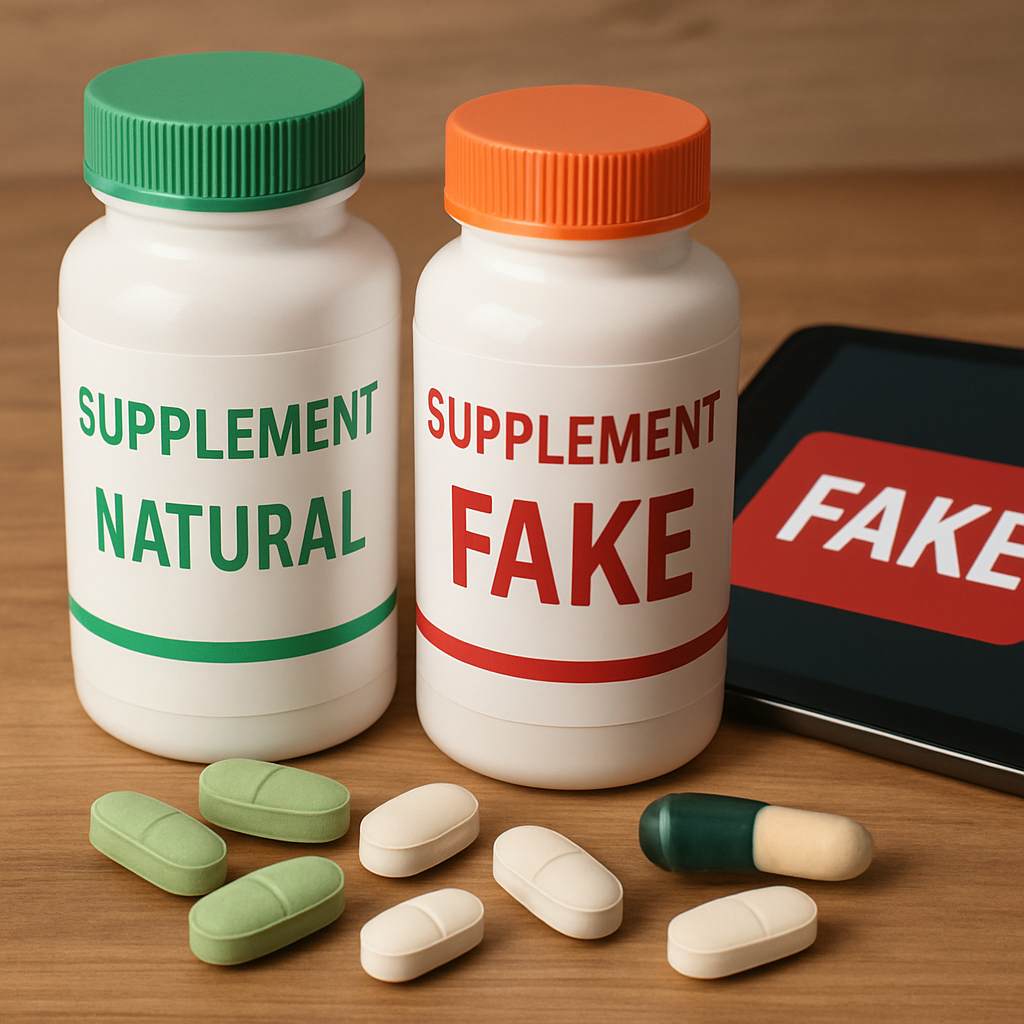

The labeling system has blocked millions of packages of dietary supplements since the beginning of 2025; a nutritionist provides practical recommendations for checking labeling, product cards, and sellers on marketplaces, explains signs of counterfeiting, and what to do if counterfeit is suspected.


The labeling system and regulators are intensifying control over the sale of dietary supplements (DS). Since the beginning of 2025, millions of packages of DS have been blocked in Russia, including over a million packages suspected of being counterfeit, and labeling operators and regulatory bodies are actively identifying illegal products on marketplaces.
Below are practical recommendations from a nutritionist and an overview of signs of counterfeiting that will help you safely choose dietary supplements on online platforms.
- Check the "Honest Sign" label. Scan the DataMatrix/QR code using the official app: the system should display the name, manufacturer, expiration date, and confirm the legal status of circulation; if the code does not scan or the app returns an error — this is a warning sign.
- Verify registration data and the SGR number. Legal dietary supplements must be registered; the product card should have the state registration certificate number and manufacturer information — in the absence of this or discrepancies, the platform or regulator may block the product card.
- Evaluate the product card and the manufacturer's claims. Be cautious of "miracle effects," medical claims, and lack of composition: the use of misleading medical terminology and exaggerated statements is a sign of counterfeiting or labeling violations.
- Check the seller and logistics. A reliable seller provides a real address and contact information, supplies documents, and honestly shows the expiration date and batch. Suspiciously low prices and sales through unverified channels (for example, dubious Telegram channels) increase the risk of purchasing counterfeit products.
- Pay attention to packaging and composition. Blurry labels, typos, absence of contraindications and composition information indicate a counterfeit; compare the composition with official information on the manufacturer's website or in the registry.
- Critically evaluate reviews. Mass positive reviews without details or a large number of similar comments may be fabricated; look for independent expert reviews and publications in verified media.
- Actions if you suspect counterfeiting. Keep the packaging and screenshots of the product card, contact the marketplace support and Rospotrebnadzor or the labeling operator; report the seller and provide data for blocking the product card — regulators are already blocking illegal products as part of control campaigns.
Why this is important: According to the labeling operator and researchers, the share of illegal and fake products in the market remains significant — inspections show a high percentage of "fake" manufacturers, and regulators are preparing and tightening regulations that give platforms and authorities tools to remove such products from the market.
What will change in the near future: Regulators plan to expand the grounds for blocking and strengthen control — draft orders and regulatory initiatives outline criteria for stopping the sale of dietary supplements (lack of registration, prohibited components, misleading information about the manufacturer, etc.), and lawmakers and platforms are discussing mechanisms for strict filtering of product cards.
Nutritionist's advice: when choosing dietary supplements, rely on official registration data, scan the labeling, consult with a doctor regarding indications, and avoid purchases at suspiciously low prices or from anonymous sellers.
List of YouTube videos on the topic "How to Avoid Counterfeit Dietary Supplements on Marketplaces: Simple Rules from a Nutritionist":