


Doctors explained the benefits and possible harms of mango: how much to eat and the difference between forms
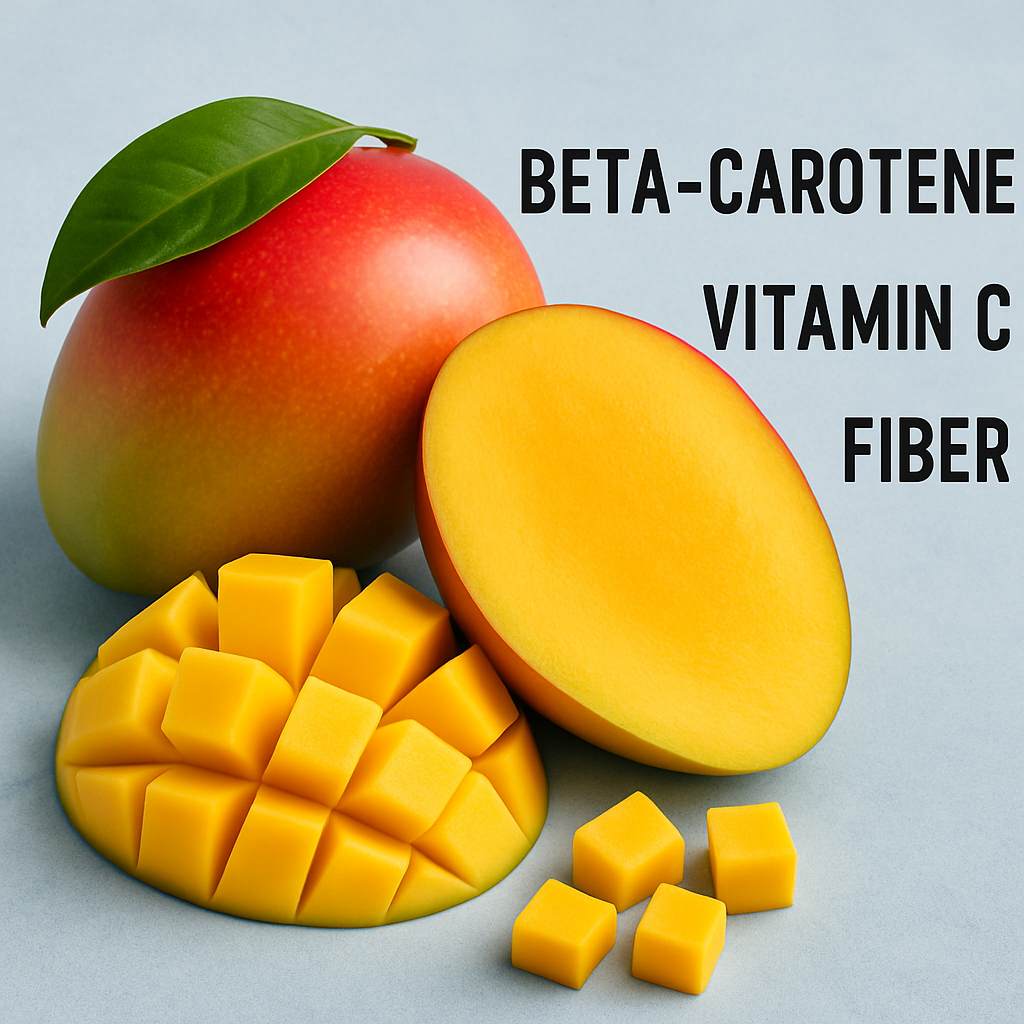

The nutritionist stated that fresh mango is rich in beta-carotene and vitamin C, beneficial for vision, skin, and immunity; recommended limiting consumption to two fruits per day (≈300–450 g) and noted that dried mango is much higher in calories, while frozen retains some beneficial substances.
Still on the topic

More details
Video on the topic
The information in this material is obtained from open sources and has not been verified for accuracy and reliability by the website's authors.
The nutritionist explained that fresh mango is a source of beta-carotene (vitamin A), vitamin C, potassium, and dietary fiber, making the fruit beneficial for vision, skin, immunity, and the cardiovascular system, as well as helping to regulate blood sugar levels more gently compared to more processed sweets.
Benefits:
- Mango contains beta-carotene and vitamin C, which support vision, skin, and immunity, and also act as antioxidants.
- Potassium and dietary fiber help regulate blood pressure and maintain cardiovascular health.
- Polyphenols (including mangiferin) and other phytochemicals have anti-inflammatory and antioxidant effects, which are associated with improved metabolism and potential benefits in the risk of cardiovascular diseases.
- Thanks to fiber, the fresh fruit causes less sharp spikes in blood glucose than equivalent calorie processed products.
Possible harm and limitations:
- The nutritionist recommends limiting the consumption of fresh mango to two fruits per day (approximately 300–450 g) to avoid exceeding daily caloric intake and to prevent excessive strain on carbohydrate metabolism.
- Dried mango is significantly higher in calories and contains concentrated sugars — it should be consumed in moderation, especially when controlling weight or glycemia.
- Some individuals may experience allergic reactions or individual intolerance; those with chronic metabolic diseases should consult a doctor before including mango in their diet.
Difference between forms:
- Fresh mango retains most vitamins and fiber, which softens sugar absorption.
- Frozen mango usually retains some beneficial substances and serves as a more accessible alternative out of season, but it may still fall short in some heat-sensitive vitamins compared to fresh fruit.
- Dried mango concentrates sugar and calories, so dehydration increases its energy density, making it less suitable for frequent consumption.
Practical recommendations:
- Prefer fresh mango and consider portion size — no more than two fruits per day (≈300–450 g), as advised by the specialist.
- If the goal is to control weight or blood sugar, limit or avoid dried mango and account for the calories in frozen or canned options.
- In the presence of chronic diseases or medication intake, consult a doctor or dietitian before significantly increasing mango consumption.
Source of original materials: excerpts from comments by the nutritionist and reviews on the composition and properties of mango (beta-carotene, vitamin C, potassium, fiber, polyphenols) with recommendations on portions and differences between fresh, frozen, and dried fruit.
Any remaining questions? Ask chatGPT.:
Ask a question