


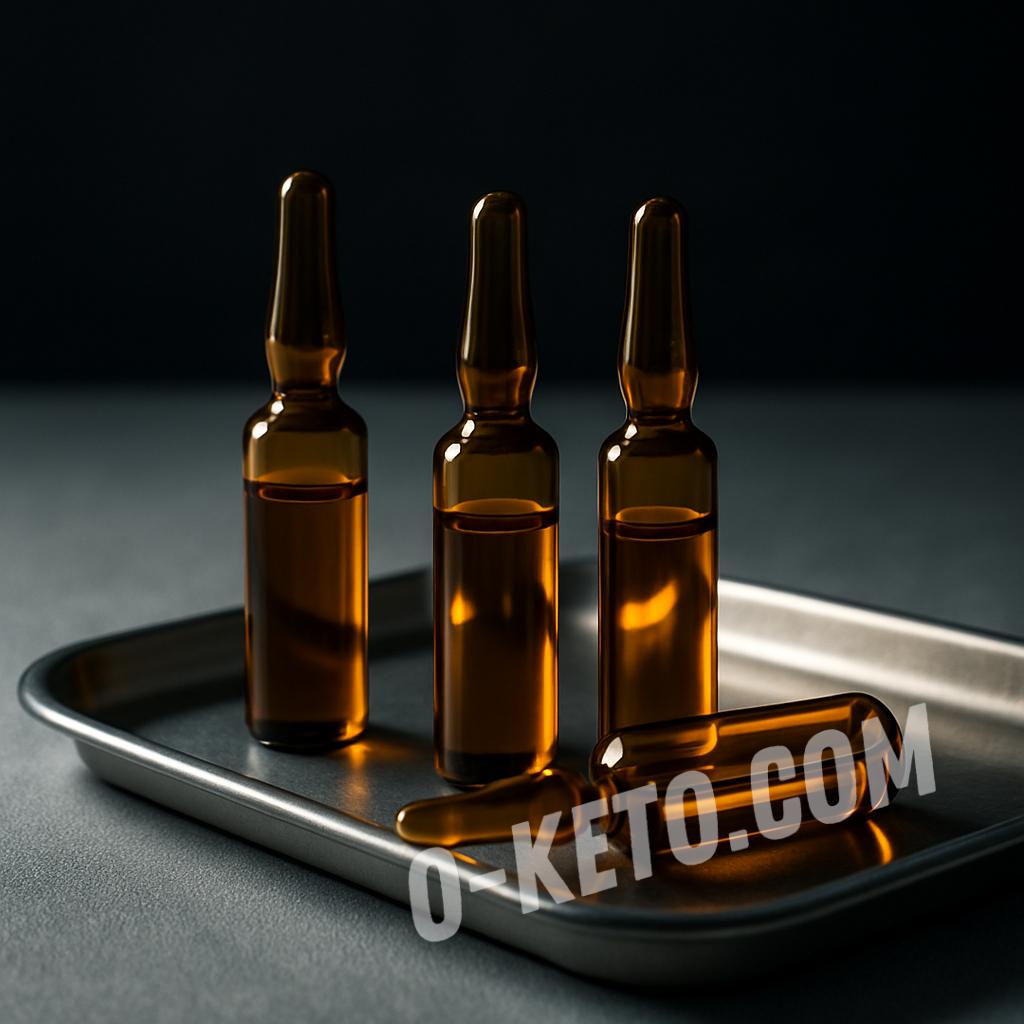

Mexidol is a medicinal drug used in neurological, vascular, and recovery-oriented practice when the goal is to support tissues under hypoxia, oxidative stress, or disturbed metabolism. It is not a nutrient and not an ordinary dietary supplement. What matters here is the exact pharmaceutical form, the exact amount in milligrams, and the route of administration, because tablets and injectable forms solve different practical tasks.
What It Is
Mexidol usually refers to ethylmethylhydroxypyridine succinate. It is commonly discussed as a product with antioxidant, membrane-protective, and antihypoxic properties. In casual summaries this is sometimes reduced to “for the brain and blood vessels,” but that is too vague. In practice it is used in more defined scenarios: support after hypoxic stress, some recovery protocols, selected neurological complaints, and injectable regimens where faster or more controlled delivery is desired.
When It Is Used
Mexidol is not something that should be chosen simply because a person feels tired. It appears in more specific medical or semi-medical contexts, including poor tolerance of stress, certain vascular or cognitive complaints, and recovery protocols where antihypoxic support is being considered. That does not mean all weakness, dizziness, poor heat tolerance, or reduced concentration are suitable reasons by default. Those complaints can also reflect dehydration, anemia, infection, hypotension, endocrine problems, or nutrient deficiencies. A drug should not replace proper clarification of the cause.
Forms Matter
Mexidol exists in tablet and injectable forms, and this distinction is essential. If a source describes an intramuscular or intravenous course, it cannot simply be translated into tablets. The injectable form changes not only the route but also the meaning of the regimen. When choosing a product, it is necessary to check the actual strength per ampoule or tablet and not rely only on the familiar drug name. That is why wording like “one ampoule” or “one tablet” is not enough unless the exact milligrams are also clear.
What To Check Before Choosing
If the product is being selected for a specific protocol, verify the active substance, milligrams per ampoule or tablet, dosage form, expiry date, and storage conditions. With analogues, avoid assuming that drugs used for similar purposes are interchangeable when the composition differs. For injectable forms, the planned route of administration and combination with the rest of the course matter as much as the product name itself. This is particularly important when someone is tempted to assemble a home course from fragments of advice found online.
Limitations And Precautions
Mexidol should not be treated as a neutral household product. Caution is reasonable in pregnancy, breastfeeding, major liver or kidney impairment, allergy-prone states, and in complex multi-drug regimens. Depending on the person and the form used, there may be dry mouth, drowsiness, discomfort, local injection reactions, or other adverse effects. If the condition worsens, new symptoms appear, or the course was assembled without a clear indication, continuing automatically is a bad idea.
Storage
Tablets and ampoules should be stored according to the manufacturer instructions, in a dry place without overheating and with the original package preserved. For injections it is especially important not to lose the label details about concentration and ampoule volume. In regimens where meaning depends on exact milligrams and route, confusing the form changes the entire treatment logic.


