


E296 (apple acid)
Malic acid gives a clean fruity sourness and helps regulate pH in drinks, desserts, sauces and powdered mixes. For keto and LCHF it matters not as carbohydrate, but as part of a sour flavour system that may mask sugar, sweeteners or ultra-processed formulas.
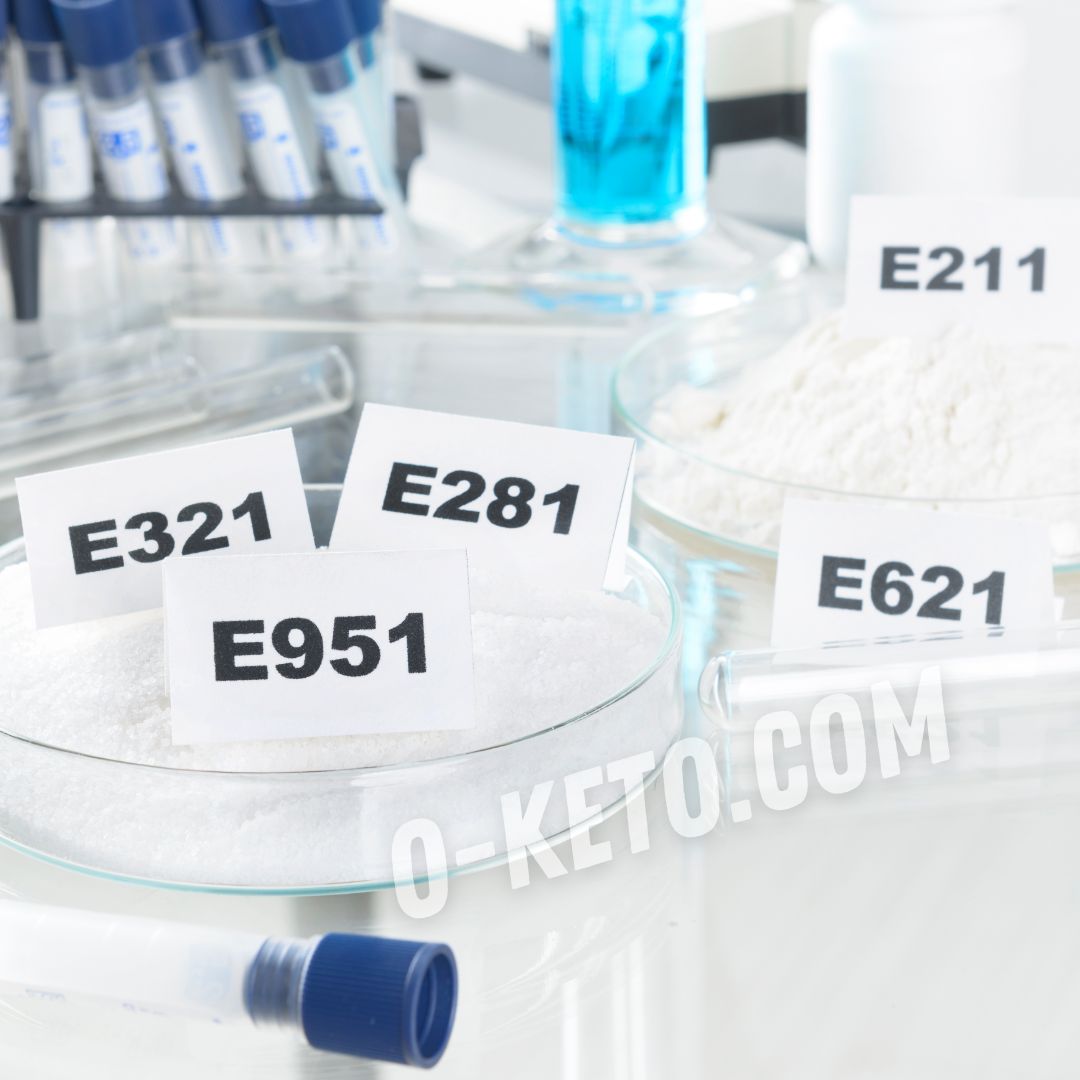
E296 is malic acid, an organic acid with a clear but relatively smooth fruity sourness. It occurs naturally in apples, berries and other fruits, while in food technology it is used as an acidity regulator and sour flavour enhancer. In drinks, sweets, sauces, desserts and powdered mixes it helps make flavour brighter, fresher and more stable. For low-carb eating, it is important to separate the acid itself from the product in which it is used.
What malic acid is
Malic acid participates in natural organic acid metabolism and is known as malate in the Krebs cycle. But food additive E296 is mainly a technological ingredient for flavour and acidity, not a supplement intended to improve energy metabolism. On a label, it means the manufacturer adjusted the sour profile of the product.
The name is associated with apples, but E296 is not the same as eating apples. A whole fruit contains water, fibre, sugars, polyphenols, aromas and minerals. The additive provides an acid component that can be used in a very different product: a drink, jelly, powder, sauce or sweet.
Why it is added
Malic acid gives a clean sourness that pairs well with fruit flavours. It can increase freshness, balance sweetness, support the desired pH and help other ingredients behave more predictably. In dry mixes and drinks, E296 often makes the flavour feel more alive, especially when the product is meant to seem fruity.
In a technological formula, acidity matters beyond taste. pH affects colour, stability, preservative action, gelling agents and microbiological safety. That is why E296 may appear next to sweeteners, colours, flavours, stabilizers and other acids.
Keto and low-carb context
Malic acid itself is not sugar or starch and usually does not determine the carbohydrate load of a product. But sour taste is often used to mask sweetness or create a fruity impression. A low-carb drink with E296 may be acceptable if it contains no sugar or starch. An ordinary sweet, sugary powder or fruit dessert with the same acid may be unsuitable.
Acidity also changes how sweetness is perceived. A product with acid and sweetener may feel less cloying, making it easier to consume more often or use as a substitute for sweets. For some people this helps move away from sugar; for others it maintains the desire for sweet taste.
Tolerance and tooth enamel
Acidic drinks and powders with E296 can irritate the stomach in people with reflux, gastritis, sensitive mucosa or a tendency to heartburn. The reaction depends on dose, frequency, combination with other acids, carbonation, caffeine and the overall acidity of the product. If discomfort appears after sugar-free acidic drinks, the issue may be the acid profile rather than carbohydrates.
For tooth enamel, frequency of acid exposure matters. Even a sugar-free drink can keep the mouth acidic if it is sipped throughout the day. In practice, acidic drinks should not be stretched over many hours, teeth should not be brushed immediately after acid exposure, and rinsing with water may help when such products are used often.
How to read the label
E296 should be assessed together with product category. In a sugar-free sauce or drink it may be an ordinary acidity regulator. In sweets, fruit powders, gummies, desserts and energy drinks, malic acid is often part of a bright flavour system where sugar, syrups or intense sweeteners may sit nearby.
In home low-carb cooking, similar effects are usually achieved with lemon, vinegar, moderate berries, fermented foods or spices. E296 does not need automatic fear, but it also should not be treated as proof of naturalness. The key question is what else is in the product and how it affects appetite, the stomach and carbohydrate control.
Another practical point is the combination of acids. If malic, citric, phosphoric or other acids appear together, the total load on the stomach and enamel may be higher than one name suggests. With frequent use of acidic drinks and powders, sugar is not the only thing to check; the whole acid profile matters.
If a product with E296 is bought for fruity flavour, it is useful to check whether any real food is present or only flavour, acid and sweetener. In a low-carb diet, a small portion of berries or a lemon-based sauce can sometimes be more honest and predictable than a bright powdered mix with a long list of additives.
If you have any questions about the term "E296 (apple acid)", you can ask them to AI. Please note, a low-cost OpenAI model is used. It may answer questions about disease treatment with errors!


 1 / 4
1 / 4 1 / 4
1 / 4

 1 / 4
1 / 4
 1 / 4
1 / 4
