


E529 (Calcium oxide (acidity regulator))
Calcium oxide, food-grade quicklime, is used as a strong alkaline agent; in food, controlled processing and the final product matter most.
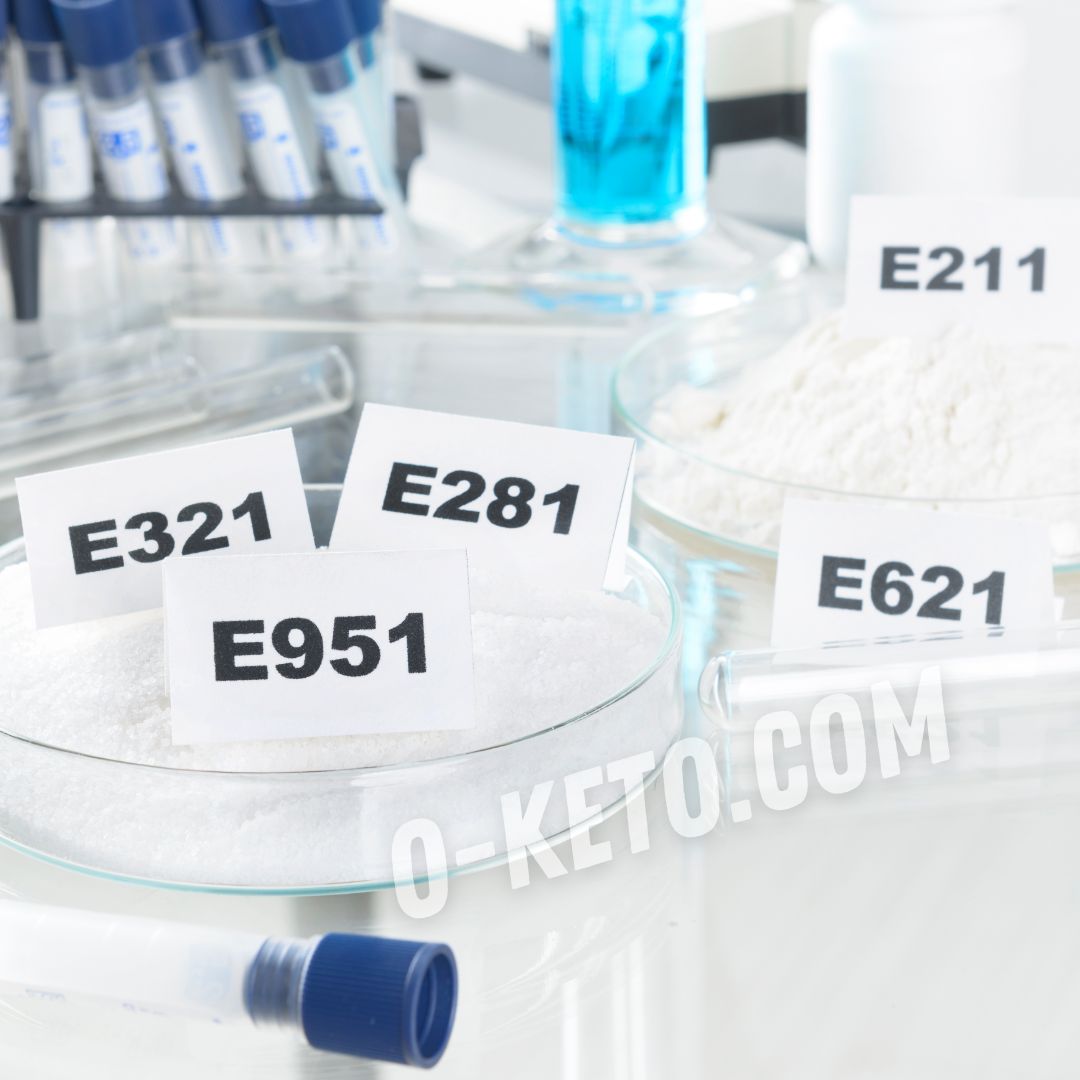
E529 is Calcium oxide (acidity regulator), a food additive used mainly as improving agent. In the additive glossary it is important to look not only at the E-number, but also at the full name, because neighboring numbers can have very different chemistry, functions, and regulatory status.
This article evaluates E529 from a practical nutrition perspective: why it is used, how much it matters metabolically, what can affect tolerance, and how to read it on a label. The presence of an E-number alone does not make a product harmful, but it often tells you something about processing.
What This Additive Is
Calcium oxide (acidity regulator) belongs to the broader group of acidity regulators and other additives. Its role in food is technological rather than nutritional: it helps control texture, acidity, stability, preservation, sweetness, color, aroma, surface properties, or packaging behavior.
Some E-numbers are fully current in modern European lists, while others are old, rare, or jurisdiction-specific. When a code looks unusual, the full ingredient name and the country of sale matter more than the number alone.
Why It Is Used
Manufacturers use E529 to make products more predictable during storage, transport, heating, freezing, mixing, or packaging. It can prevent separation, improve mouthfeel, protect against oxidation, regulate pH, preserve color, enhance flavor, or support a stable structure.
In home cooking, similar effects are often achieved with fresh ingredients, shorter storage, cooling, salt, acid, fermentation, egg, gelatin, starch, cream, or careful heat control. Industrial food relies on additives because it needs consistent results at scale.
Nutrition And Metabolism
E529 is usually not a meaningful source of vitamins, minerals, protein, or energy. Even when the name contains calcium, potassium, magnesium, amino acid, fatty acid, or starch, the practical effect depends on the amount and the whole recipe.
For keto, LCHF, diabetes, and metabolic health, the full product matters more than the single additive: sugar, flour, starch, syrups, refined oils, salt, protein, fiber, and portion size are usually more important.
Safety And Tolerance
Food additives are assessed by permitted uses and dose limits, but individual tolerance still varies. Gut sensitivity, allergies, asthma, kidney disease, medication use, age, and total intake from many products can change the practical meaning.
If a product with E529 repeatedly causes bloating, loose stool, headache, itching, flushing, nasal symptoms, or unusual appetite changes, compare labels across several products. Sometimes the trigger is not one additive, but a combination of sweeteners, acids, emulsifiers, preservatives, flavor enhancers, and ultra-processed ingredients.
E529 is calcium oxide, a substance with strong alkaline properties. The everyday idea of quicklime sounds very technical for food, so concentrated substance and controlled food use must be separated. In technology, the issue is a defined process where the final food, residues and process safety are assessed, not the raw reagent by itself.
The calcium in the name does not make E529 a calcium supplement for the diet. If calcium intake needs improvement, foods and supplements with clear dosing are considered: dairy foods, fish with bones, mineral water, calcium citrate or carbonate when appropriate. Calcium oxide used in processing should not be treated as a way to improve the mineral density of a dish.
For low-carb eating, E529 is usually not the main factor. It does not add sugar and is not starch. But if a product treated with it is based on corn, flour, starch, sweet sauces or an industrial mix, that base defines compatibility with keto or LCHF. Alkaline treatment does not turn a carbohydrate food into a low-carb food.
When reading a label, the role of the additive matters. In a simple technological chain, it may be an auxiliary processing agent. In a complex semi-finished food with a long ingredient list, flavorings, sweeteners and several pH regulators, E529 becomes part of a broader picture of heavy processing. Then the whole product and frequency of use matter more than one code.
How To Read The Label
Check where E529 appears in the ingredient list and what surrounds it. A small amount near the end is usually a minor technological dose; several additives near sugar, syrups, refined oils, starches, and flavorings suggest a highly processed recipe.
The practical conclusion is balanced: Calcium oxide (acidity regulator) does not need automatic fear, but it should make you read the label more carefully. A simple product with one technological additive is very different from a formula built from additives, sweeteners, flavors, and refined ingredients.
If you have any questions about the term "E529 (Calcium oxide (acidity regulator))", you can ask them to AI. Please note, a low-cost OpenAI model is used. It may answer questions about disease treatment with errors!


 1 / 4
1 / 4 1 / 4
1 / 4 1 / 4
1 / 4