


What are the advantages of citrate and malate forms of minerals?
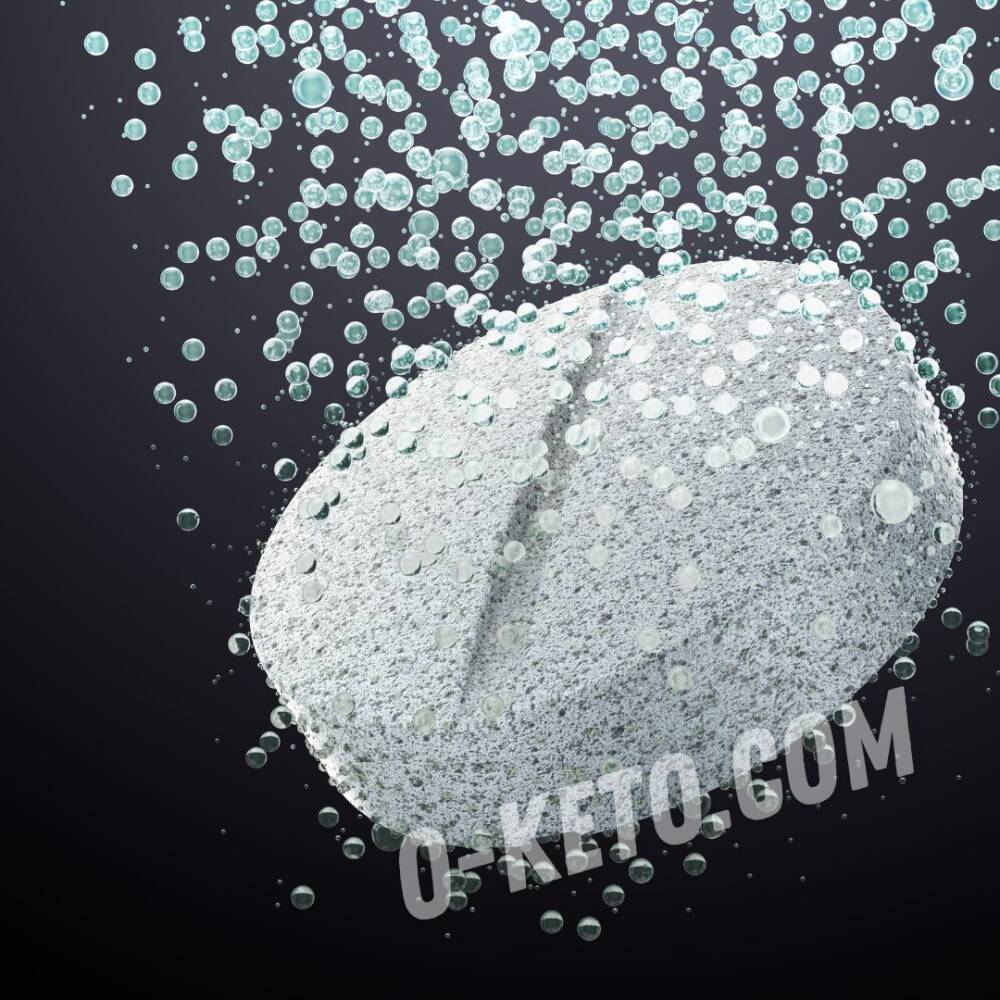
The feature of citrate and malate forms of minerals is that when they combine with water, they ionize, which allows the minerals to be immediately absorbed in the body, regardless of the acidity in your stomach and other factors.
More details
Video on the topic
Citrate and malate forms of minerals have a feature that makes them more accessible for absorption, even with reduced acidity of gastric juice. This feature is also possessed by Ascorbates, Lactates, Gluconates, Fumarates, Succinates, Orotates.
Why it works this way:
- Chemical form. In citrate and malate salts, the mineral (for example, calcium, magnesium, zinc) is bound to organic acids — citric (citrate) or malic (malate). These acids are natural metabolites, well soluble in water.
- Ionization upon dissolution. When in contact with water (including in the stomach or intestines), the salt quickly breaks down into mineral ions and anions of the organic acid. The ions are in free form and do not require additional "cleavage" by strong acid, as is necessary for inorganic salts (for example, carbonates).
- Absorption independent of pH. Since the mineral is already in ionized form, it can be absorbed in the intestines even in people with hypoacidity (low acidity) or in elderly individuals, where acidity is physiologically reduced.
- Additional metabolic bonus. Citric and malic acids are participants in the Krebs cycle, so the body easily utilizes them, and in the case of magnesium and calcium — these anions even help transport minerals into the cell.
Thus, chelates (for example, bisglycinates) require normal acidity to fully release the mineral from the amino acid complex. Citrates and malates are already ready for absorption, making them preferable in cases of reduced gastric juice secretion.
Any remaining questions? Ask chatGPT.:
Ask a question
Share: