
Kidney failure is easily treatable in 99% of cases!
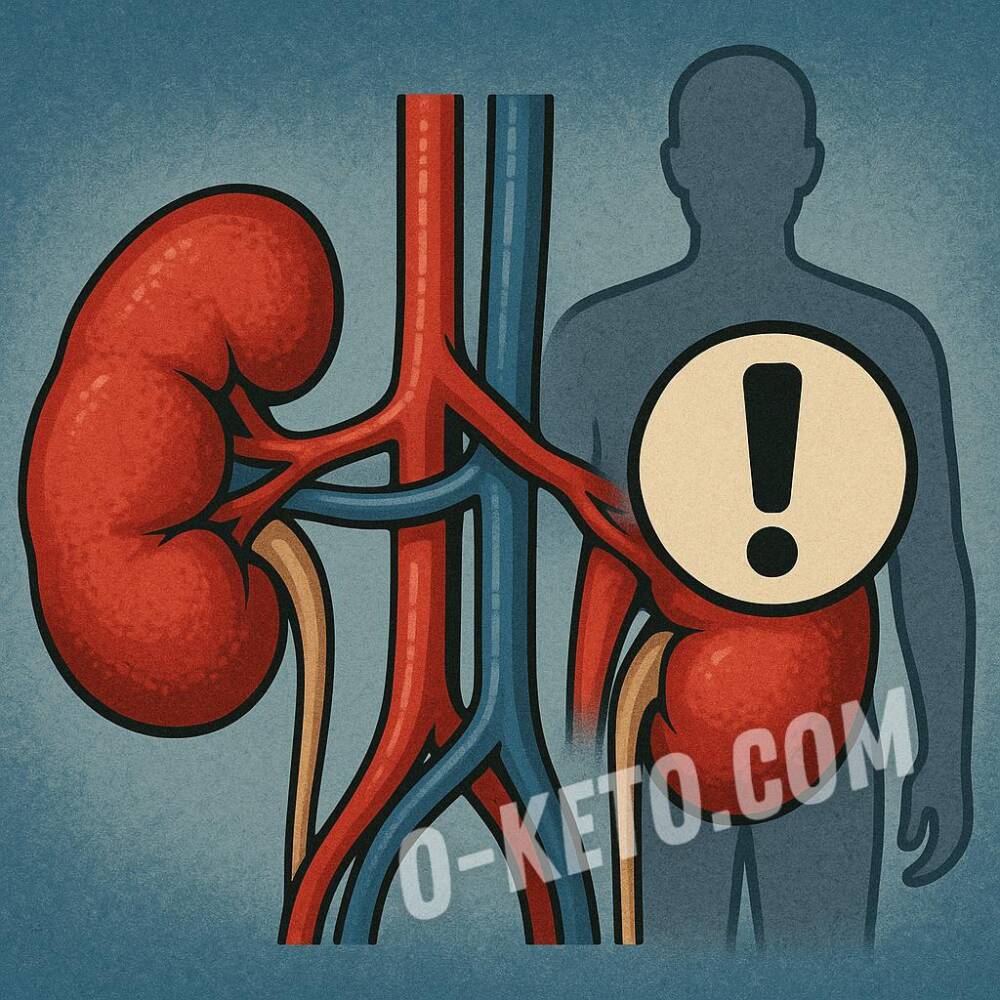
True kidney failure occurs in only one percent of patients. 99% of people who think they have kidney failure can be easily cured. For this, it is enough to take a bath with a lot of salt. This is because they simply have a disturbance in water-salt balance.
Most symptoms mistaken for kidney failure are actually related to disturbances in water-salt balance, rather than damage to the kidneys themselves.
The term «kidney failure» refers to a persistent impairment of glomerular filtration function, meaning the kidneys cannot effectively eliminate metabolic waste products (such as urea, creatinine) and maintain homeostasis. This can occur either:
- in acute kidney injury (AKI), for example, due to severe hypotension or toxic shock,
- or in chronic kidney disease (CKD), most often caused by diabetes, hypertension, or systemic inflammatory diseases.
But true kidney failure is always a severe clinical condition that requires either intensive medical therapy or dialysis.
Most «kidney symptoms» are due to sodium deficiency
Many complaints (edema, weakness, headaches, tachycardia, decreased urination, hypotension) are actually caused by a lack of sodium and plasma volume, rather than kidney damage.
In the case of salt (sodium) deficiency in the body, the following occurs:
- The kidneys reabsorb everything they can, including urea and other toxins. This creates the illusion of «poor filtration», even though the glomeruli are functioning normally—they are simply conserving fluid.
- Aldosterone levels rise, trying to retain sodium—this enhances reabsorption, decreases urine volume, and causes edema.
- The osmotic gradient is disrupted, causing urine to become either poorly concentrated or, conversely, excessively concentrated—depending on the stage.
- Decreased pressure leads to renal hypoperfusion, and then they indeed start to function worse, but secondarily—this is not «kidney failure», but a response to hyponatremia and hypovolemia.
How a salt bath helps
Physiological saline is a 0.9% sodium chloride solution, similar in osmolarity to blood plasma (approximately 300 mOsm/L). When using salt baths, the following occurs:
- Passive absorption of sodium and chloride ions through the skin, especially with prolonged contact (30–40 min), when capillaries are actively opened.
- Increased osmotic pressure of plasma, which pulls excess fluid from tissues (including edema).
- Normalization of circulating blood volume, which improves renal perfusion and filtration.
- Reduction in aldosterone levels and restoration of normal urination.
After sodium replenishment:
- edema disappears,
- blood pressure normalizes,
- urination is restored,
- electrolyte balance improves,
- false markers of «kidney failure» disappear—such as creatinine normalizing if it was elevated due to dehydration.
List of YouTube videos on the topic "Kidney failure is easily treatable in 99% of cases!":

