


"Health and Nutrition Secrets That Can Save Your Life," Russell L. Blaylock, MD, 2002
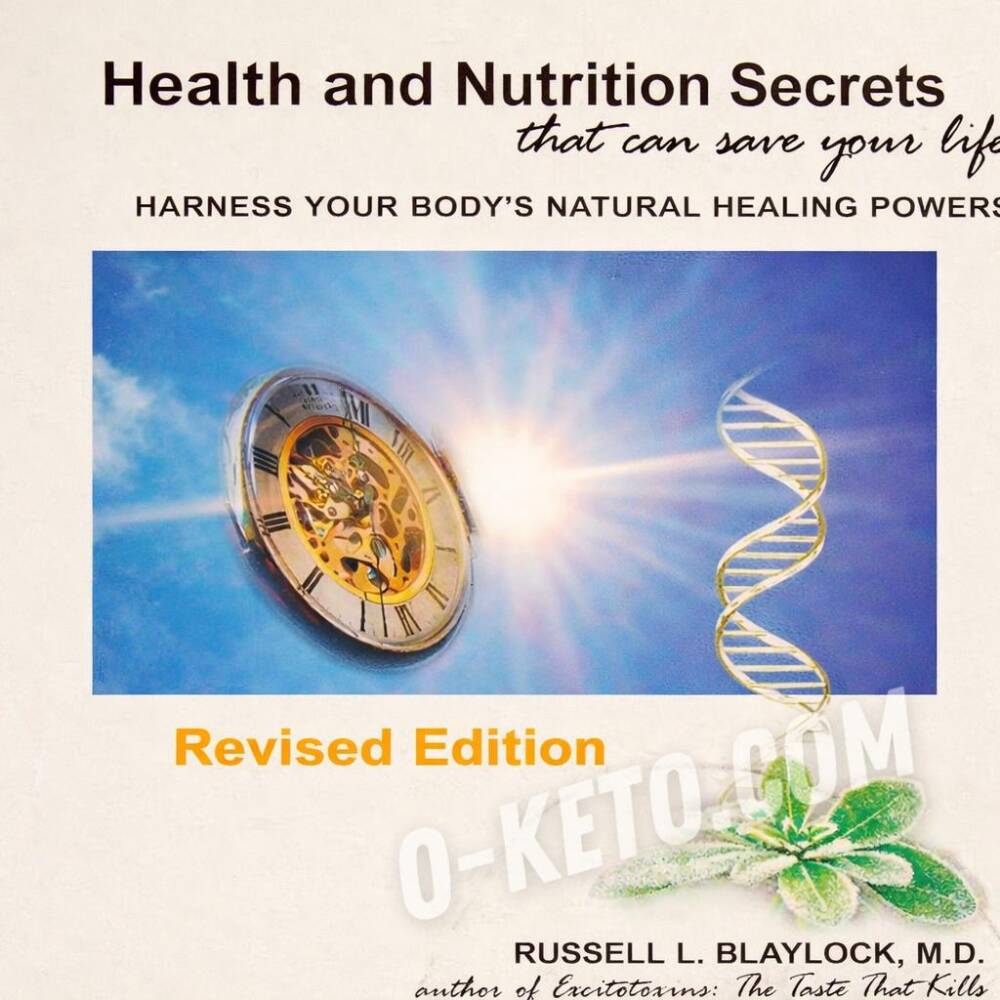

This book is a summary of the clinical and scientific experience of neurosurgeon Russell Blaylock, dedicated to the role of nutrition, toxins, and inflammation in the development of chronic and degenerative diseases.
The author consistently demonstrates that most diseases—from cardiovascular issues and diabetes to neurodegenerative disorders (Alzheimer's, Parkinson's, ALS)—share common biochemical mechanisms: chronic inflammation, oxidative stress, mitochondrial dysfunction, and excitotoxicity.
Blaylock emphasizes the key role of micronutrient, antioxidant, and essential fat deficiencies, as well as the destructive impact of heavy metals (mercury, aluminum, lead), fluoride, and food additives on the nervous system and immunity.
The central conclusion of the book is that genes are not a sentence: nutrition and nutritional support can "turn off" pathological genes, reduce inflammation, and radically change the trajectory of health if intervention begins early enough and is aimed at restoring cellular bioc

03.11.2025. Regev Elya, Dr. Aqsa Ghazanfar "The B12 Deficiency Survival Handbook," 2014
The book explains why vitamin B12 deficiency is one of the most underestimated and dangerous conditions for the brain and nervous sys...

18.10.2025. Martin Blaser "Life After Antibiotics"
How excessive and thoughtless use of antibiotics destroys our microbiome and jeopardizes the health of future generations. Life-savin...

26.10.2025. David Perlmutter, Kristin Loberg "The Gut and the Brain: How Gut Bacteria Heal and Protect Your Brain," 2017
The book claims that the state of the gut microbiome directly affects brain health and diseases — from mood to neurodegenerative diso...

31.01.2026. "The Truth About Cholesterol," Uffe Ravnskov, 2007
The book by Swedish doctor and researcher Uffe Ravnskov questions the widely accepted "lipid hypothesis," which states that high chol...

08.02.2026. Microbes, mom, no panic, Jack Gilbert, Robert Finley, Maria Gloria Dominguez-Bello, 2017.
This book is a popular science and very practical guide for parents on how the child's microbiome is formed from the moment of concep...