


Microbiome
The community of microorganisms and their genetic material on the skin, mucous membranes and in the gut influences food fermentation, immune signaling, barrier function and metabolites. In nutrition the gut microbiome is especially important, but it cannot be fixed with one probiotic; diet, fiber, fermented foods, antibiotics, sleep, stress and mucosal health all matter.


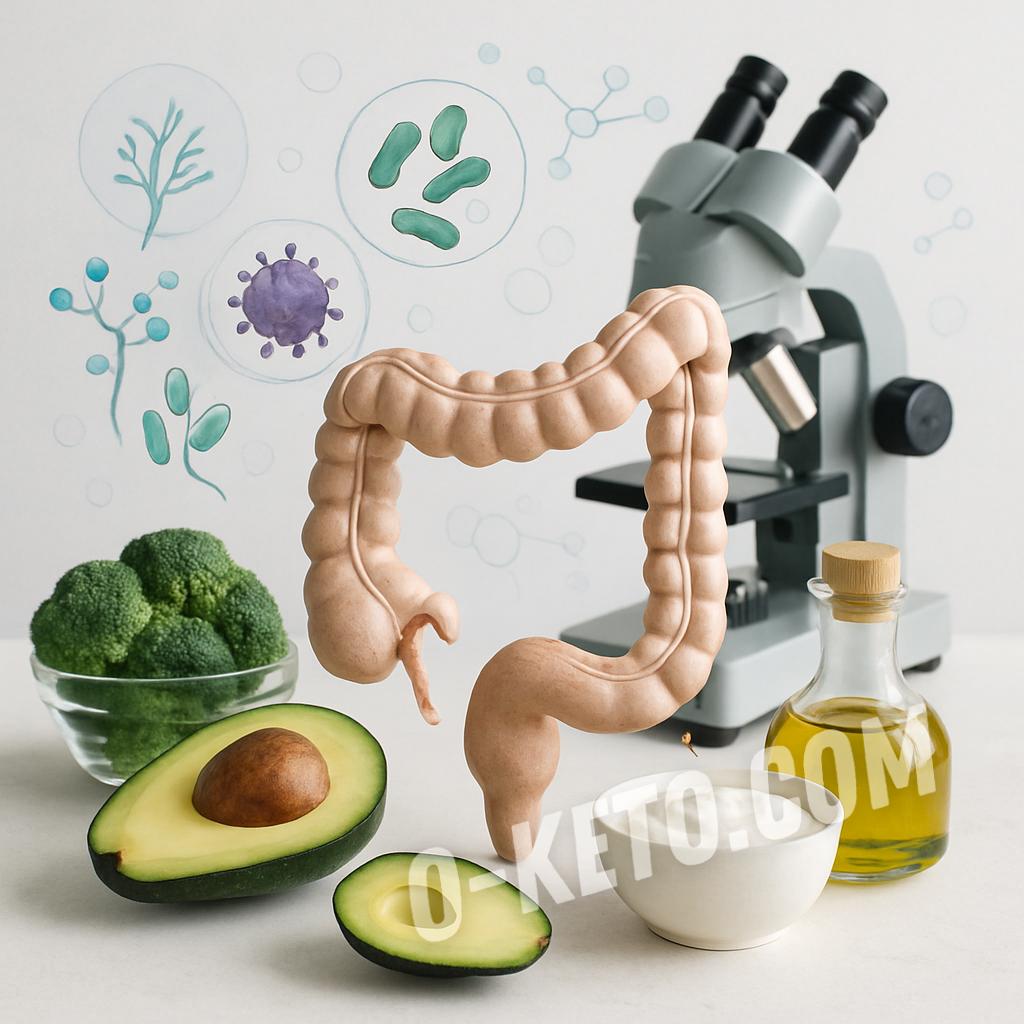
The microbiome is a community of bacteria, fungi, viruses, and other microorganisms living in the gut, on the skin, and on mucous membranes. In nutrition, the gut microbiome matters most because it meets food every day, ferments part of the fiber we eat, participates in metabolism, and sends signals to the immune system. It is not a separate “organ” that can be fixed quickly with one supplement, but a living system shaped by its environment, diet, and the condition of the body.
What a microbiome assessment can tell you
A single microbiome test cannot label a microbiome “good” or “bad.” Healthy people can have noticeably different microbial communities, and there is no single reference set of bacteria that suits everyone. A test also shows the microbiota at one particular moment, so its result should not be read separately from symptoms, diet, and overall health.
The microbiome changes with diet, antibiotics, infections, sleep, stress, age, physical activity, and intestinal disease. This is why the same result may mean different things for different people. The useful question is not whether a person has found an ideal list of bacteria, but how the microbiome relates to food, symptoms, and other health factors.
The microbiome is not only in the gut
Skin, the mouth, the airways, the genitourinary tract, and other mucous membranes all have their own microbial communities. They differ in composition and function. A gut microbiome test therefore does not describe the whole body, and a sample from one site does not show the condition of another.
The gut microbiome is especially important in nutrition because it constantly encounters food. It participates in fiber fermentation, short-chain fatty-acid production, bile-acid metabolism, immune regulation, and maintenance of the mucosal lining. Even in the gut, however, there is no single ideal microbial combination that is equally useful for everyone.
How the gut microbiome interacts with food
Fiber and other indigestible parts of food serve as substrates for some intestinal bacteria. Their fermentation produces short-chain fatty acids and other metabolites that help mediate communication between the microbiome, the mucosa, and the immune system. This is why the relevant question is not carbohydrates in general, but which substrates a person receives and tolerates.
The gut microbiome works as an ecosystem. Resident microorganisms compete with pathogens for nutrients and attachment sites, while their metabolites can limit the growth of some unwanted bacteria. Short-chain fatty acids, bile-acid metabolism, and mucosal integrity also contribute to this protection. Dietary variety therefore matters as a way to provide different substrates regularly, not as a goal in itself.
Keto and LCHF: keeping tolerated variety
Keto reduces sugar and some starch, but vegetables, legumes, berries, nuts, and other bacterial substrates may disappear by accident as well. The result can be an overly narrow low-carb diet. Carbohydrate restriction alone does not determine the state of the microbiome; what remains in the menu and how well it is tolerated matter more.
A tolerated low-carb diet may still include greens, vegetables, seeds, small portions of nuts, avocado, berries when appropriate, and sometimes unsweetened fermented foods. With small intestinal bacterial overgrowth, diarrhea, or marked bloating, foods need more careful selection and should not be expanded by force. The goal is not to add as many “healthy” foods as possible, but to find a set that supplies useful substrates without intensifying symptoms.
The gut-brain axis
The gut and brain exchange signals in both directions. The enteric and autonomic nervous systems, the vagus nerve, immune and endocrine pathways, and microbial metabolites including short-chain fatty acids and tryptophan derivatives all participate in this communication. Stress can therefore change gut motility and digestive sensations, while the gut can influence appetite signals and well-being.
Links between the microbiome and anxiety, depression, or other neurological conditions are being actively studied, but they do not prove that changing the microbiome treats these diseases. Much of the evidence remains mechanistic or observational. The practical conclusion is limited: gut health should be considered together with sleep, stress, and diet, but treatment of a psychiatric or neurological disorder should not be replaced with a probiotic.
In IBS, this two-way connection matters not only as a biological model but also as part of practical care: gut symptoms can increase anxiety and tension, while anxiety and constant anticipation of pain can increase sensitivity and disrupt daily life. A clinician may therefore include cognitive behavioral therapy or gut-directed hypnotherapy alongside diet and medication. This does not mean that symptoms are “imagined”; the work addresses real neural and sensory mechanisms of the gut-brain axis.
Probiotics and other products described as psychobiotics are being studied separately for specific strains and conditions. Results from one study cannot yet be transferred to every product, and such supplements should not replace treatment for depression, an anxiety disorder, or IBS.
What changes the microbiome
Antibiotics, infections, fiber, polyphenols, fermented foods, excess sugar, alcohol, sleep, stress, physical activity, stomach acid, bile, and medications can all influence the microbiome. A sudden diet change can temporarily alter gas, stool, and food tolerance. A short-lived reaction after changing the menu does not always mean that the microbiome has been damaged, while persistent pain or diarrhea needs investigation.
Recovery after a course of antibiotics does not always happen within a few days. Tolerance of dairy, fiber, legumes, or fermented foods may temporarily change. During this period, gradual return to tolerated foods and symptom monitoring are usually more sensible than immediately using many probiotics. Frequent antiseptic use, insufficient sleep, and chronic stress may also hinder recovery, although their effect depends on the situation.
Probiotics, prebiotics, and commercial tests
Probiotics are strain-specific: some individual strains may reduce the risk of antibiotic-associated diarrhea, but that does not mean that every product will help bloating or constipation. In some situations, probiotics can worsen discomfort. The idea that “more strains is better” is therefore not universal; the choice depends on the goal, the strain, and tolerance.
Prebiotics also need individual assessment. Inulin, resistant starch, and fructooligosaccharides may improve stool for one person and increase pain or gas for another. A commercial microbiome test may provide research information, but it does not always become a precise treatment plan. Results should be compared with symptoms, diet, medications, previous infections, and real health markers. An international consensus statement does not currently support using such tests routinely to prescribe treatment; a result alone should not be used to stop medication or make a sharp dietary change without a clinician’s advice.
How to use this information
If constipation or persistent bloating appears on keto, first review the concrete changes in the diet: food volume, water, sodium, magnesium, a sudden increase in fat, sugar alcohols, and the amount of tolerated fiber. This order matters because symptoms may reflect a rapid dietary change, too little fluid, too much of one product, or another cause rather than a “bad microbiome.” Do not automatically add probiotics or expand the restriction list.
The microbiome is best viewed as part of a wider system, not as a separate bacterial score. A sustainable diet, sleep, movement, tolerated fiber sources, and timely medical assessment of persistent symptoms matter more than trying to obtain an ideal result from one test. This approach leaves room for individual differences and prevents interesting laboratory findings from being confused with proven treatment.
Sources
- Role of the gut microbiota in nutrient competition and protection against intestinal pathogen colonization — Microbiology
- Mechanism of the Gut Microbiota Colonization Resistance and Enteric Pathogen Infection — Frontiers in Microbiology
- The Microbiota-Gut-Brain Axis: From Motility to Mood — Gastroenterology
- The Gut-Brain Axis: Influence of Microbiota on Mood and Mental Health — Integrative Medicine
- International consensus statement on microbiome testing in clinical practice — Gut
- Probiotics — Office of Dietary Supplements, National Institutes of Health
If you have any questions about the term "Microbiome", you can ask them to AI. Please note, a low-cost OpenAI model is used. It may answer questions about disease treatment with errors!


 1 / 4
1 / 4 1 / 4
1 / 4


 1 / 4
1 / 4


 1 / 4
1 / 4