Homemade food starts to look beautiful not when it imitates a restaurant show, but when the plate has a clear visual logic. You do not need rare tableware, complicated towers, or a formal fine-dining approach. What matters is understanding which colors stimulate appetite, how height and texture work on a plate, why some shapes of tableware support the dish while others visually flatten it, and how to keep the table from looking overloaded. This matters especially at home, where salads, fish, pates, casseroles, soups, and simple vegetable dishes are often delicious but visually neglected.
There is also a practical side to good presentation. A tidy, attractive plate slows eating down, improves attention to texture and flavor, and often makes a meal feel more satisfying. That is why visual beauty at home is not about pretension. It is a way to make everyday food feel more appetizing, more modern, and more enjoyable without turning dinner into a performance.
Why homemade food needs visual structure
The most common home-plating mistake is putting everything on the plate as one dense mass. Even good ingredients then look heavy and careless. Visual structure fixes that. A plate needs a focal point, a readable shape, some breathing space, and one or two accents that make the dish feel alive. That accent may be sliced chicken on top of a salad, whole herb leaves, nut crumble, a spoon of sauce, or a crisp vegetable chip.
Appetite is also connected to what the brain reads before the first bite. Contrast, freshness, and visible structure matter. Green, yellow, and red notes, together with a mix of smooth and crunchy textures, make food look fresher and more appealing. In contrast, a gray uniform mass, an overly dark plate, or excessive decoration can make a meal feel visually tiring and heavier than it actually is.
How to choose plates and textiles for calm home serving
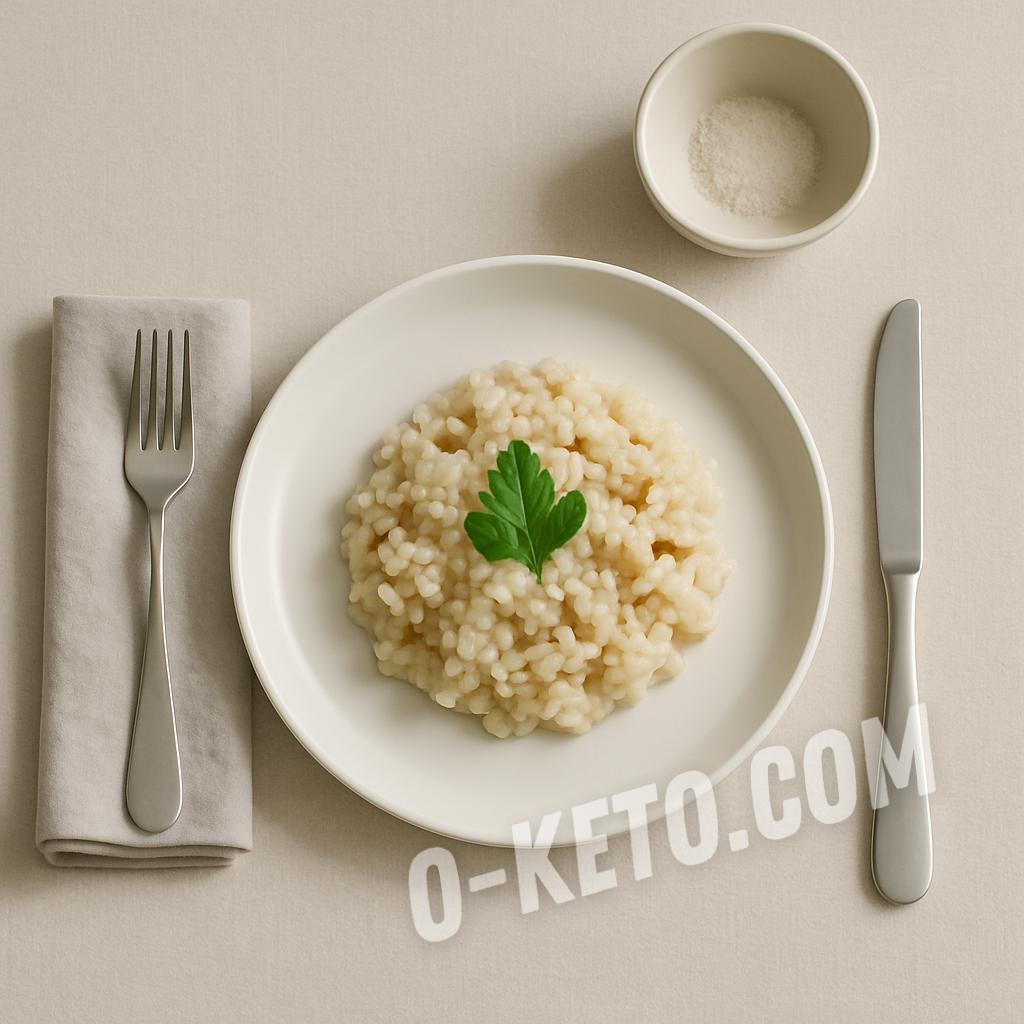
For everyday use, classic home serving works best. It is bright, juicy, understandable, and easy to build on a neutral base. White and cream plates remain the most reliable option because they let the eye focus on the food rather than on the design of the plate. Deep plates are useful not only for soups, but also for saucy dishes, warm salads, stews, and vegetables served with dressing.
Plates with decorative rims can work well, but they already claim some visual attention. That means the dish itself should stay calmer. Very dark plates, strong blue tones, and loud patterns often reduce appetite instead of increasing it. Plates with a large image in the center are also difficult because the decoration competes with the food.
The same principle applies to textiles. Plain linen napkins, calm placemats, and a simple tablecloth usually create a better home setting than aggressive patterns. Texture is more useful than ornament. A natural linen surface can make the table feel warm and thoughtful without pulling attention away from the meal itself.
Which colors and textures make food look more appetizing
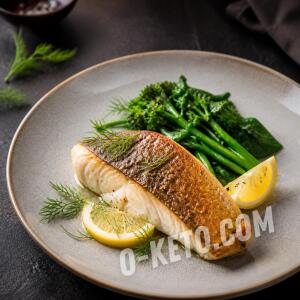
Red, green, and yellow accents are especially useful in home cooking. That does not mean every plate must become colorful, but at least one lively note almost always helps. A creamy pate can be paired with herbs and cucumber, white fish can gain brightness from a sauce or citrus zest, meat can benefit from greens and mustard or berry accents, and salads look better when they contain leaves of different tones and a textured topping such as nuts or seeds.
Texture is just as important as color. Smooth puree next to a crisp chip, tender salad next to nut crumble, or a dense casserole next to fresh herbs looks far more interesting than a completely uniform dish. This is one reason simple presentation often wins over decorative excess. One clear contrast is usually enough.
Presentation techniques that work best at home
Instead of complicated restaurant tricks, it is more useful to rely on a few techniques that are easy to repeat every day:
- bring one key ingredient to the top, such as sliced fish, chicken, or vegetables;
- use herbs as whole leaves or a small mix instead of a chopped green mass;
- build a base under a heavy-looking dish with cucumber slices, salad leaves, or a layer of sauce;
- add texture with nuts, seeds, crumbs, chips, or lightly toasted elements;
- use sauce as an accent, in dots, a brushstroke, or a narrow line instead of a puddle;
- shape purees and creamy dishes with a spoon well and place the garnish inside it;
- serve desserts, breakfasts, and some salads in glasses or jars when that shape supports the dish;
- separate dense layered dishes into more readable parts when a full slice looks too heavy.
All these techniques follow the same logic: the dish should feel as if it rises upward instead of spreading flat. Even a small salad looks better when it has some height. This is also why whole herb leaves often work better than chopped herbs, and why the top layer of a dish matters so much.
How to set the table beautifully without overload
Home table setting should support the meal instead of competing with it. If the plate is expressive, the napkin and tablecloth should be quieter. If the dish is colorful, the rest of the table should stay neutral. For an ordinary home dinner, three things are usually enough: a neat plate, calm textile, and clear empty space around the food. Too many objects make the table anxious instead of festive.
A good table also needs rhythm. Light ceramics work well with linen and simple cutlery. If you want more character, add one detail such as a beautiful spoon, a small board, a skewer, or a serving jar. But that detail should remain singular. Once every element tries to be special, the whole scene loses calmness.
For family-style serving, a simplified banquet logic works well. A roasted leg, a whole fish, a large snack board, a baking dish, or a big bowl of warm salad can act as the central object, while the rest of the setting supports it. For individual servings, the cleanest solution is usually a classic composition: one main object, one small accent, and a clean rim.
Common mistakes that spoil even good-looking food
Even delicious food loses impact when a few predictable mistakes appear:
- placing everything as one compact mass with no focal point;
- using dark, blue, or overly patterned tableware that distracts from the meal;
- decorating the dish with items that do not match its flavor or meaning;
- using too many techniques at once, such as chips, crumble, several sauces, and excess herbs together;
- leaving a dirty rim or random drips on the plate;
- making the table heavier than the food with too many decorative objects.
At home, beauty usually comes from restraint. If you are unsure what to remove, it is often better to remove rather than add. One useful texture and one color accent will almost always do more than five competing details.
Conclusion
You can make homemade food look beautiful without complicated restaurant plating if you rely on a few basic rules: choose calm tableware, use appetizing color and texture, build the composition upward, garnish only with relevant edible accents, and keep the table free from visual noise. Expensive serving sets are not required. What matters is a simple habit of asking a few questions before serving: where is the focal point, does the plate have enough air, does the tableware support the food, and is the table overloaded. Once that way of thinking becomes normal, even an ordinary soup, salad, fish dish, pate, or dessert starts to look intentional and inviting.