
Scientists Prove the Link Between Diet, Blood Sugar Levels, and Sleep Quality
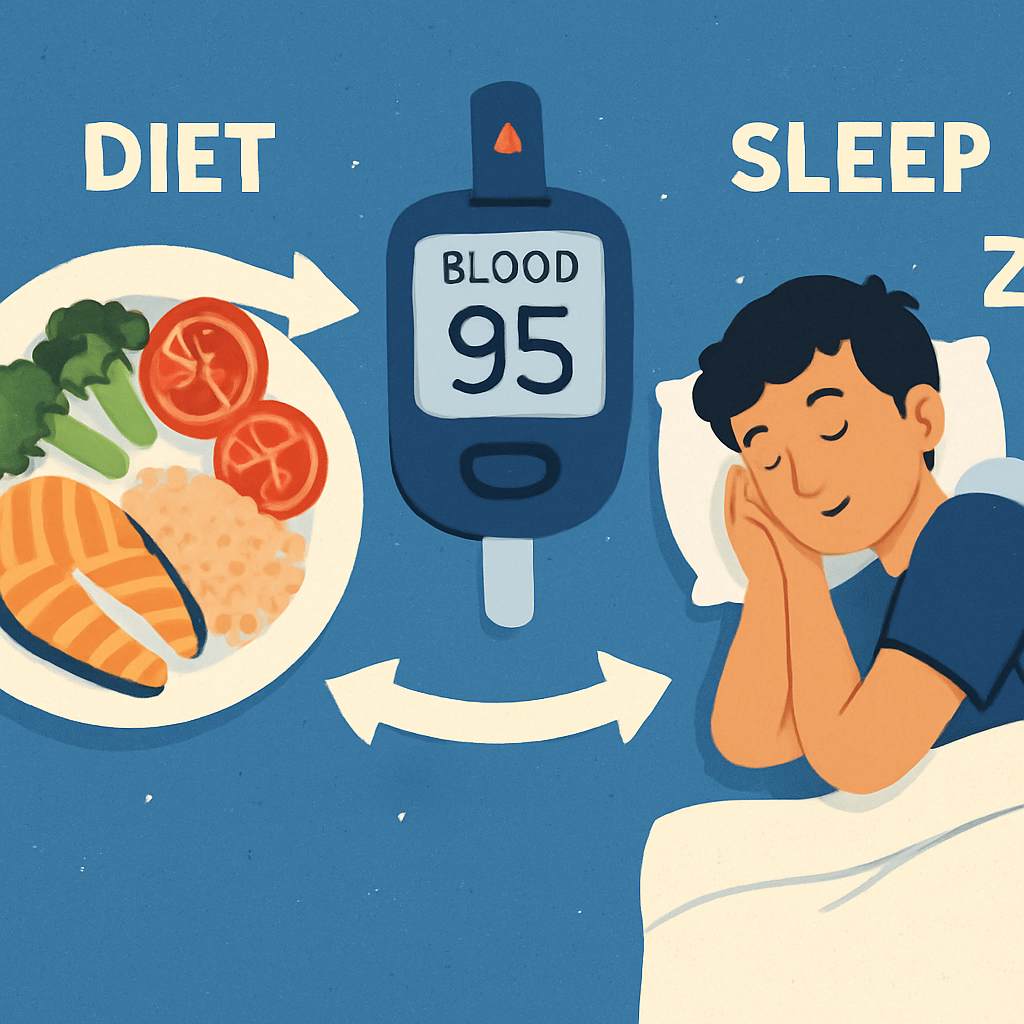
Rade Bassiri's research showed that dietary habits and glucose levels affect sleep depth in both diabetic and non-diabetic individuals. Low protein and high fat worsen rest, while vegetables and fruits improve it within a day. An individualized approach to diet is recommended.


Dietary habits and blood glucose levels significantly affect sleep quality, regardless of diabetes status. This conclusion was reached by clinical dietitian and nutritionist Rade Bassiri from George Mason University during her research published in the journal Medical Xpress[4][6].
The Impact of Diet on Sleep
Data analysis showed that diets low in protein and high in fat have the most negative impact on the depth and stability of sleep. Low-carbohydrate diets, on the other hand, reduce the risk of sleep deprivation in both healthy individuals and patients with diabetes[3][4]. People with diabetes and prediabetes are more likely to suffer from insomnia and sleep disturbances compared to those with normal blood sugar levels[6].
Interestingly, strict dietary control in diabetics sometimes worsens the quality of rest, highlighting the importance of not only glycemic control but also the type of foods consumed[3].
A Simple Way to Improve Sleep
Parallel studies by American researchers from the University of Chicago and Columbia University confirm: increasing the proportion of fruits and vegetables in the diet yields quick results. Participants consuming five servings of plant-based foods a day reported a 16% improvement in sleep on the first night—falling asleep faster, experiencing more deep sleep, and fewer awakenings[1][2][5].
- Dr. Esra Tasali, director of the Sleep Center at the University of Chicago: “Changing the diet is a new, natural, and cost-effective approach to better sleep”[1][5].
- Dr. Marie-Pierre St-Onge: “Small changes in diet can significantly impact rest”[5].
The authors emphasize that for sustainable results, the diet must become a permanent habit rather than a temporary measure[2]. Adults are recommended to get at least 7 hours of sleep per day, but 50–70 million Americans face disorders like apnea or insomnia[6].
Experts suggest an individualized dietary approach as an adjunct to therapy, considering carbohydrate metabolism and dietary composition[3][4].
List of YouTube videos on the topic "Scientists Prove the Link Between Diet, Blood Sugar Levels, and Sleep Quality":


