


Apnea
Sleep apnea is more than snoring: repeated breathing pauses disrupt sleep, blood pressure, metabolism, and daytime function, so they deserve real evaluation rather than casual dismissal.




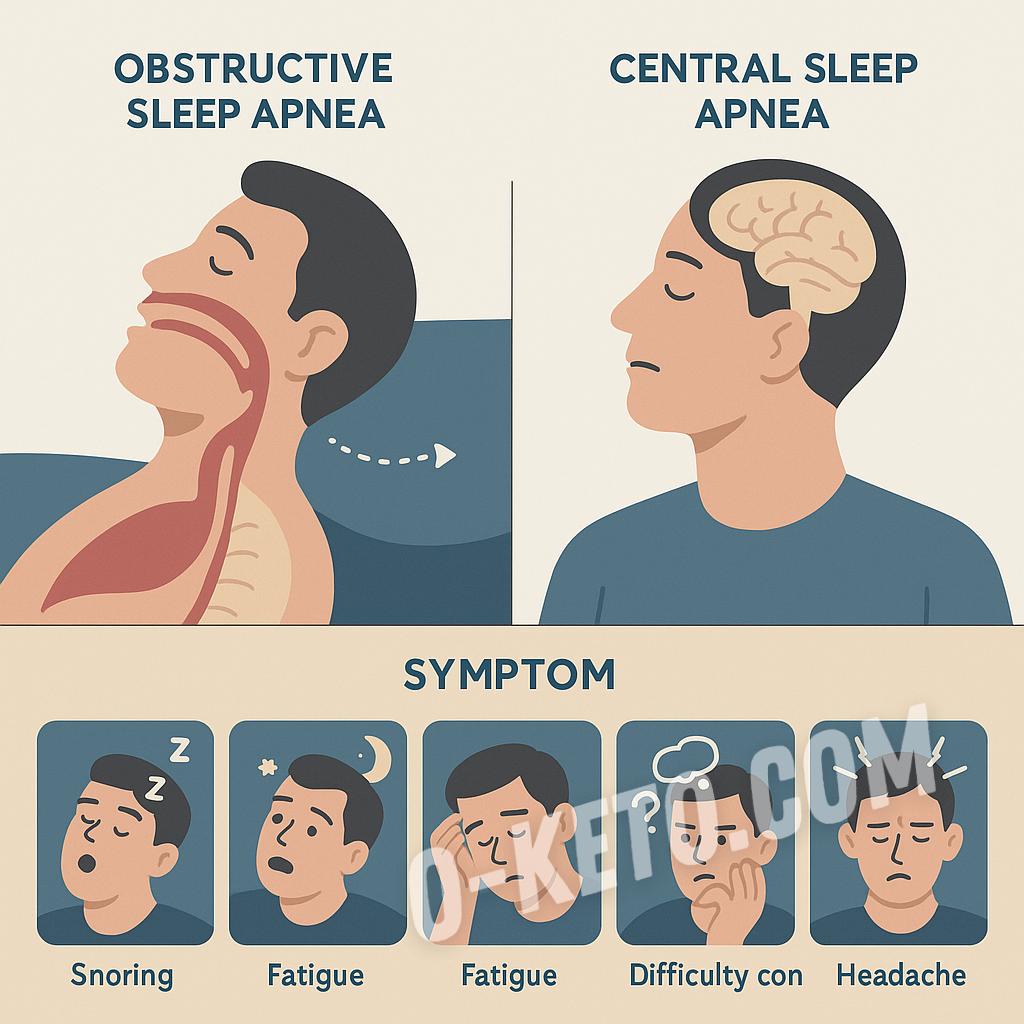
Sleep apnea is a condition in which breathing repeatedly stops or becomes severely reduced during sleep. For the patient, this is far more than snoring or an awkward sleeping position. Recurrent breathing pauses create oxygen fluctuations, fragment sleep, strain the cardiovascular system, and impair brain recovery and metabolic balance. That is why sleep apnea is linked not only to morning fatigue but also to hypertension, arrhythmias, impaired glucose control, and poor concentration.
Which forms of apnea exist
The most common form is obstructive sleep apnea, in which the upper airway narrows or temporarily collapses during sleep. Central sleep apnea is different and relates more to altered respiratory regulation by the nervous system. In real life, most people who present with snoring, witnessed pauses, and daytime sleepiness are dealing with the obstructive form, but the exact type should be determined by sleep evaluation rather than guesswork.
It is important to understand that even when a person does not fully wake up, the brain and body still respond to breathing pauses with micro-arousals, pulse surges, and stress-hormone activation. That is why someone may sleep through the night and still wake up feeling unrefreshed and cognitively dull.
How it tends to show up
Typical signs include loud snoring, observed pauses in breathing, waking with a choking sensation, dry mouth in the morning, morning headaches, daytime sleepiness, poor concentration, irritability, and memory decline. In some people the main complaints are not the snoring itself but repeated awakenings, night sweating, nocturnal urination, or the feeling that sleep simply does not restore them. Often a bed partner recognizes the pattern before the patient does.
Many people underestimate the condition if they are not dramatically sleepy during the day. Yet even without extreme drowsiness, sleep apnea may worsen blood pressure, glucose regulation, arrhythmia risk, and overall quality of life. Subjective fatigue alone is not a reliable severity measure.
Why it matters metabolically
Sleep apnea is closely linked to excess weight, insulin resistance, visceral obesity, and hypertension, but the relationship works both ways. Extra weight increases airway risk, while apnea itself through chronic sleep disruption, intermittent hypoxia, and stress hormones can worsen appetite control, glucose handling, and recovery. That makes sustainable weight loss harder even when a person is genuinely trying.
This is where nutrition and lifestyle become relevant. Weight reduction, less evening alcohol, avoiding large late meals, and improving the metabolic background may reduce symptom burden in some people. But none of that replaces diagnosis or targeted treatment once clinically meaningful apnea is present.
What can make it worse
Common aggravating factors include excess body weight, evening alcohol, sedative drugs, severe nasal obstruction, sleeping on the back, extreme fatigue, and chronic sleep deprivation. Airway anatomy, neck circumference, jaw structure, and hormonal context also matter. In some people symptoms become much clearer after weight gain, while in others they intensify with aging, menopause, or long-standing inactivity.
That is why management rarely comes down to one tip. For some people CPAP is central, for others weight loss, nasal breathing support, or medication review matters more. The most helpful approach is to identify personal aggravators rather than pretend that one pillow or one rule will solve everything.
When evaluation is needed
Suspected apnea deserves medical discussion and, when appropriate, sleep testing. Clinicians usually assess the frequency of breathing events, oxygen saturation, snoring, micro-arousals, blood pressure, body weight, neck circumference, and relevant cardiovascular or endocrine problems. The broader metabolic context matters too: glucose control, lipids, insulin resistance, and blood pressure all help complete the picture. If someone falls asleep while driving, wakes gasping, or has uncontrolled hypertension or arrhythmias, delaying evaluation becomes especially risky.
Severity cannot be judged from snoring alone. Some people snore loudly without major apnea, while others with less dramatic noise already have clinically important breathing pauses. That is why real testing matters more than assumptions.
Why it should not be treated as a trivial sleep habit
A common mistake is to think of apnea as only a family nuisance or an embarrassing snoring problem. In reality, it can worsen cardiovascular risk, memory, mood, body-weight regulation, and day-to-day safety. The most reasonable approach is to see sleep apnea as a genuine disorder of sleep and recovery that deserves proper diagnosis and, when needed, targeted treatment plus lifestyle correction.
If you have any questions about the term "Apnea", you can ask them to AI. Please note, a low-cost OpenAI model is used. It may answer questions about disease treatment with errors!


 1 / 4
1 / 4 1 / 4
1 / 4


 1 / 4
1 / 4
