


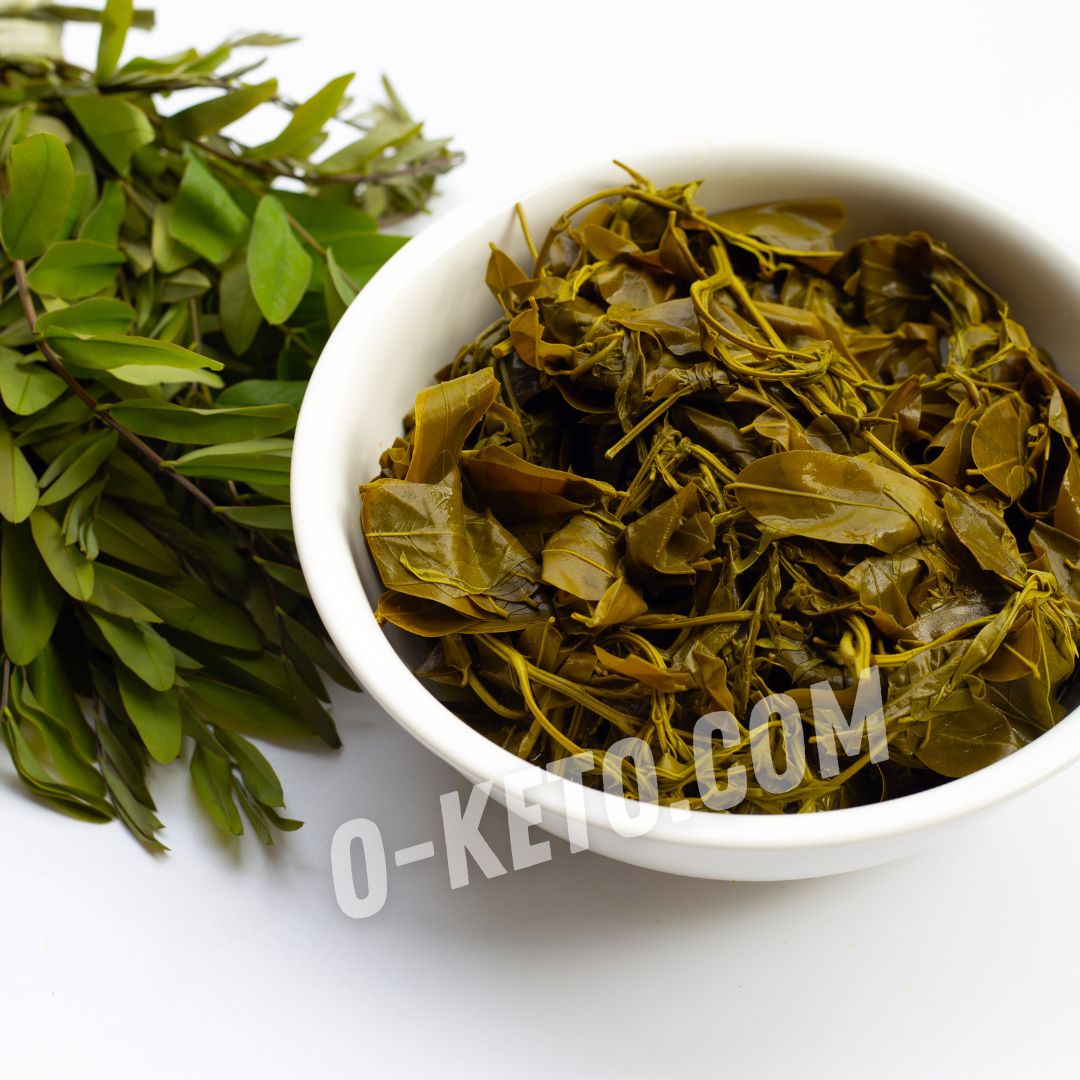

Senna is the dried leaves and pods of Senna plants, used for herbal infusion, pharmacy blends, tablets, and extracts. In ordinary cooking it is not a salad green and not a flavoring herb. Senna has a very specific role: it is plant material with a pronounced laxative action, so it deserves more caution than mint, chamomile, or an ordinary herbal tea.
Senna has been known in older traditions for a long time, but it is more useful to understand the format than to romanticize it. This is not a daily “cleansing” drink and not a mild tea without consequences. If a drink, blend, or capsule contains senna, the serving size, instructions, and restrictions should be checked in advance, especially with a sensitive bowel.
Composition and food role
The characteristic compounds in senna are sennosides, which belong to anthraquinone glycosides. The expected action of the product is linked to these compounds. Dry material may contain small amounts of minerals and plant compounds, but in a real serving of infusion this does not make senna a source of vitamins, protein, fat, or fiber.
A cup of unsweetened infusion provides almost no calories or carbohydrates. Senna is chosen not for nutritional value, but for its effect on bowel movement. It is therefore not fair to compare it with ordinary herbs used for aroma: lemon balm, mint, and thyme have one culinary task, while senna has another.
Fits keto and LCHF
From a carbohydrate perspective, unsweetened senna infusion is compatible with keto and LCHF. The question is not sugar, but tolerance and appropriateness. On a low-carb diet, some people change their intake of fiber, water, and salt, so strong laxative products can feel more uncomfortable.
If senna is part of a ready-made “slimming” or “flat belly” tea, the ingredient list needs especially careful reading. It may contain sugar, flavorings, diuretic herbs, caffeine, and other active components. A product is not automatically a good keto choice just because it is sold as herbal.
How it is used
Senna is brewed as an infusion or taken as tablets, capsules, granules, or liquid extract. The serving depends on the product form and concentration, so it is better to follow the producer’s instructions rather than an arbitrary “teaspoon.” Different blends can vary greatly in strength.
The infusion usually tastes herbal and slightly bitter. It should not be made very strong the first time. It is also unwise to mix senna with many other active herbs, because it becomes harder to understand what caused cramping, diarrhea, nausea, or weakness.
Intermittent fasting
For intermittent fasting, senna is a poor choice as a regular drink. Technically, an unsweetened infusion brings almost no calories, but it can increase fluid and electrolyte loss, cause cramping, and make the fasting window unpleasant. Fasting by itself is not a reason to add laxative products.
If constipation appears during keto or fasting, it is usually better to first review water, salt, magnesium, meal volume, vegetables, movement, and routine. Senna does not fix the reason inside the diet and should not become a daily habit without professional supervision.
Limitations
Senna is not used during pregnancy, breastfeeding without professional agreement, intestinal obstruction, strong abdominal pain of unclear origin, acute bowel irritation, marked dehydration, or individual intolerance. Caution is needed with diuretics, products that affect electrolytes, and heart medicines.
Long or too frequent use can lead to reliance on laxatives, electrolyte loss, weakness, and bowel irritation. If the problem repeats, it is better not to make the tea stronger, but to look for the cause and seek professional help.
How to choose and store
Dry senna should be free from mold, musty odor, unclear dust, and foreign material. For ready teas and capsules, the exact plant name, plant part, serving size, and full ingredient list matter. Phrases such as “herbal complex” without clear concentration are a weak guide.
Store the material in tightly closed packaging, in a dry dark place, away from ordinary teas and spices. Moisture quickly spoils herbs, and strong smells from nearby foods can move into the blend. Prepared infusion should not be stored for long; make it for one use or follow the producer’s storage instructions.


