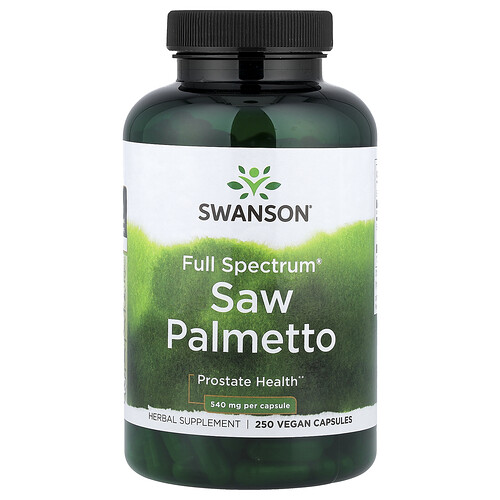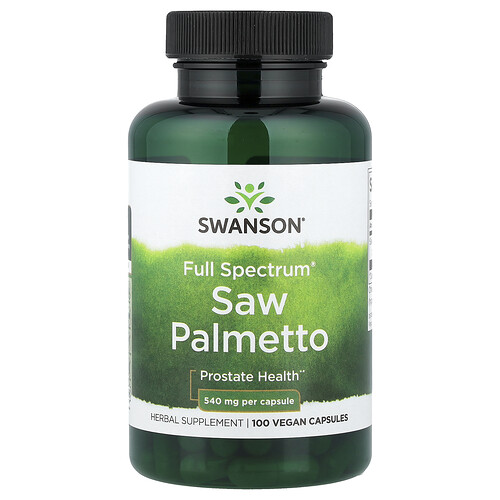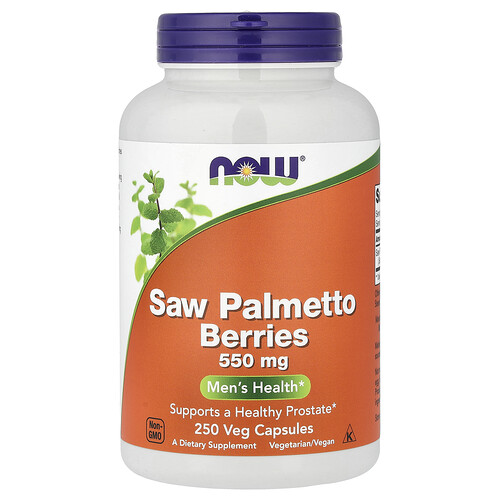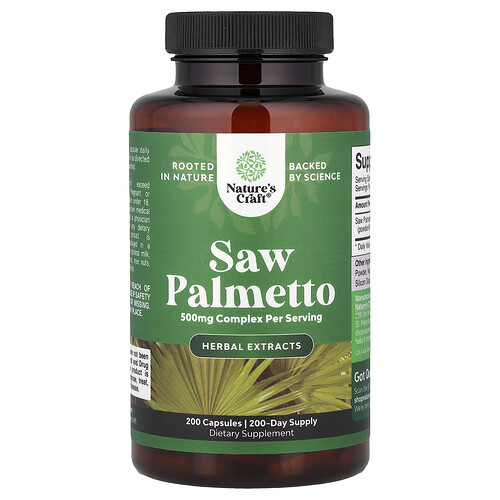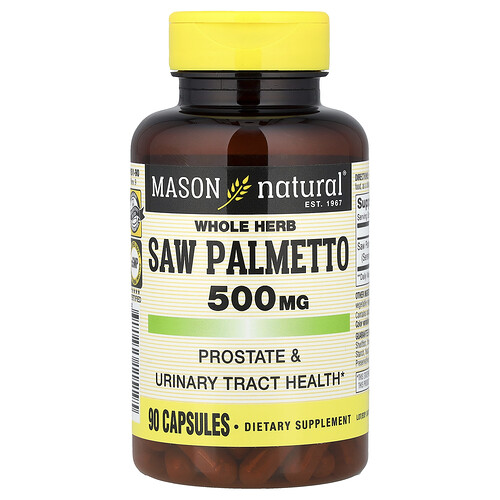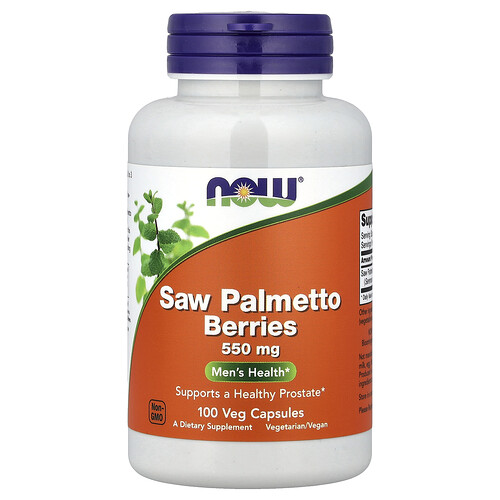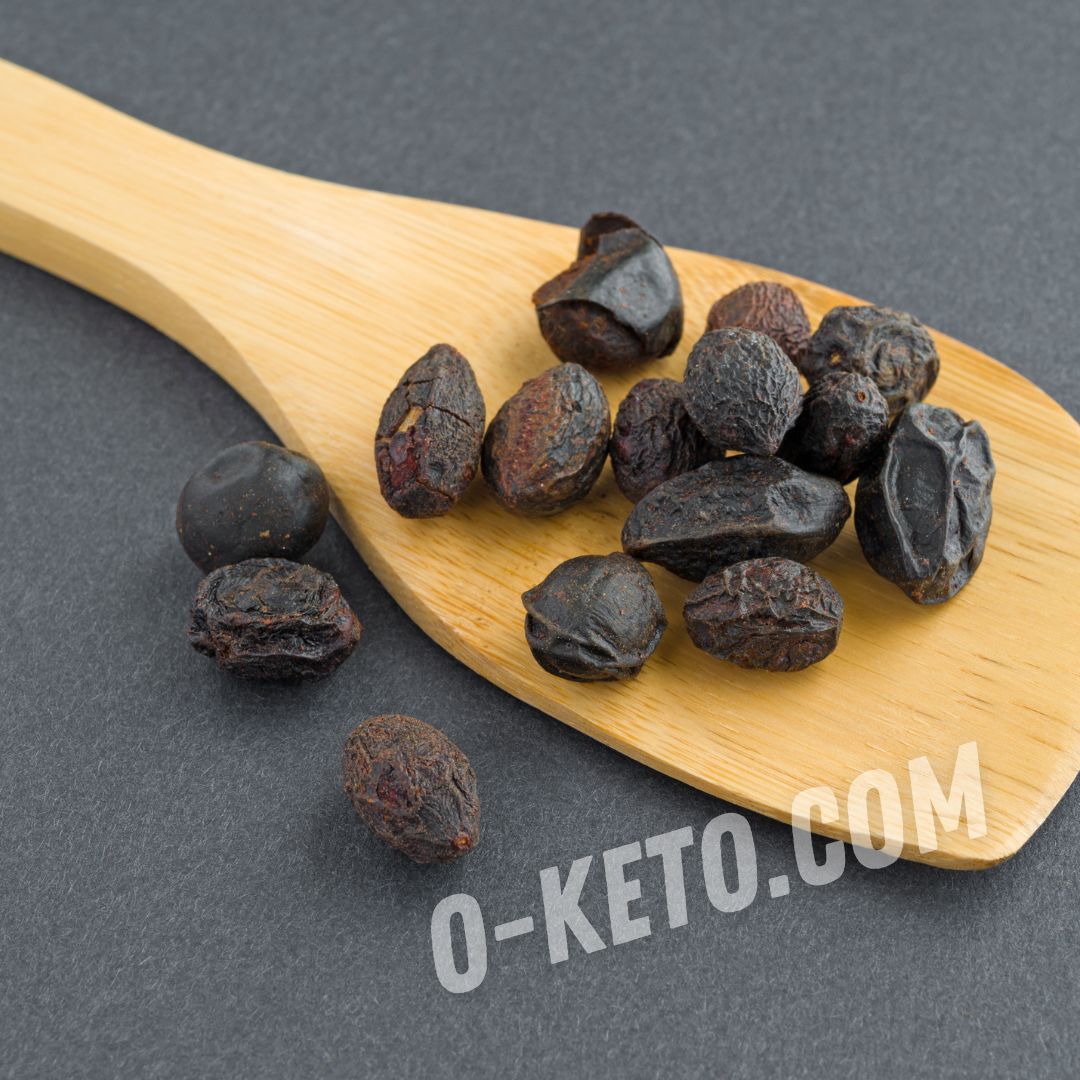

Saw palmetto, or Serenoa repens, is a low-growing palm from the southern United States and the Caribbean. In a food context, people usually use not the berries as an ordinary ingredient but an oily extract made from the fruit. It is sold in capsules, softgels, and liquid extracts, so it is closer to a supplement than to something used in recipes.
Interest in the plant is connected with fat-soluble components of the berries: free fatty acids, phytosterols, and other lipophilic fractions. Product descriptions often mention androgen pathways and the enzyme 5-alpha-reductase, but that does not make the extract a universal answer. For a product article, the more practical points are form, dose, raw material quality, limits, and how it fits into a real diet.
Nutrition
Saw palmetto is not used as a source of calories, protein, or fiber. A capsule usually contains a small amount of oily extract, so the contribution to carbohydrates and glycemic load is almost zero. If the product is sold as a syrup, chewable gummy, or sweet liquid, the label needs separate attention: sweeteners, sugar alcohols, sugar, and flavorings can change tolerance.
Standard extracts often list 160-320 mg per day, but the exact approach depends on the product, concentration, and producer instructions. Compare not only the milligrams per capsule but also the standardization: fatty acid content, solvent use, capsule type, extra ingredients, and third-party testing. Two bottles with the same common name may be quite different in actual composition.
Place in keto and LCHF
From a carbohydrate point of view, saw palmetto usually does not interfere with keto or LCHF: a capsule adds almost no sugars or starch. But it is not keto food; it is a supplement. It should not be evaluated like cheese, fish, or vegetables. In a diet, it does not replace protein, fats, electrolytes, sleep, movement, or a well-structured menu.
For a low-carb plan, the main thing is to choose a form without sugar and unnecessary fillers. Softgels with oily extract are often simpler than sweet drinks, gummies, and large combination formulas. If the product combines saw palmetto with zinc, pumpkin seed, nettle, plant sterols, or vitamins, the whole formula should be considered, not only the main plant name.
How to choose
A transparent label is the best starting point. It should state the Latin name Serenoa repens, plant part, extract form, amount per serving, and standardization. Ideally, the producer tells you how much fatty acid or phytosterol content is present in a serving, rather than using only vague wording such as “palm berries.”
Check the excipients. Capsules may contain gelatin, glycerin, oils, lecithin, colorants, silicon dioxide, and other processing aids. That is not automatically a problem, but the ingredient list should be understandable. For people avoiding gelatin, the capsule type matters. For allergy-sensitive users, soy, fish, nuts, and possible production traces are worth checking.
Practical use
If someone has already decided to use this supplement, it is more practical to start with the producer’s own directions, avoid adding several new products at once, and watch tolerance. Oily extracts are often taken with food: this may reduce stomach discomfort and fits the fat-soluble components into a meal.
Do not add saw palmetto to hot drinks or cook with it. It is not a spice and not a frying oil. Capsules are stored and used as a supplement: swallowed, not heated, not opened without a reason, and not mixed into food for flavor. Liquid extracts are usually measured by drops according to the label, while paying attention to the alcohol or oil base.
Limits
Saw palmetto is connected with hormone-sensitive topics, so pregnant or breastfeeding people, children, and teenagers should not use it without individual professional guidance. Caution is also needed with anticoagulants, hormone-related products, before surgery, and when someone is already being monitored by a urologist or endocrinologist. A supplement should not delay evaluation if there is pain, blood in urine, sudden worsening of urination, or other warning signs.
Individual reactions, nausea, abdominal discomfort, headache, or changes in how a person feels are possible. That is not a reason to increase the dose. If things become worse after starting, stop the product and look for the cause. Concentrated extracts deserve extra care because the serving may look small while the active fraction is high.
Storage and substitutes
Store capsules in a dry, cool place away from sunlight, steam, and heat. Do not leave the bottle open in a bathroom or next to the stove: moisture damages capsules and may speed oxidation of the oil. Check the date, smell, and capsule condition. Rancid odor, stickiness, cracks, and clumping are signs that the product should not be used.
Saw palmetto has no direct culinary substitute because it is not a flavor ingredient. If the goal is to support a keto routine, the replacement is not another “prostate capsule” but the basics: adequate protein, fish, eggs, low-carb vegetables, control of alcohol and sugar, normal hydration, and proper medical follow-up when symptoms are present. Other botanical supplements should be compared only by goal, composition, and safety, not by name alone.