


E261 (potassium acetate)
Potassium acetate is the potassium salt of acetic acid, used to regulate acidity and stabilize foods; it should not be treated as a meaningful potassium supplement for electrolyte replacement.
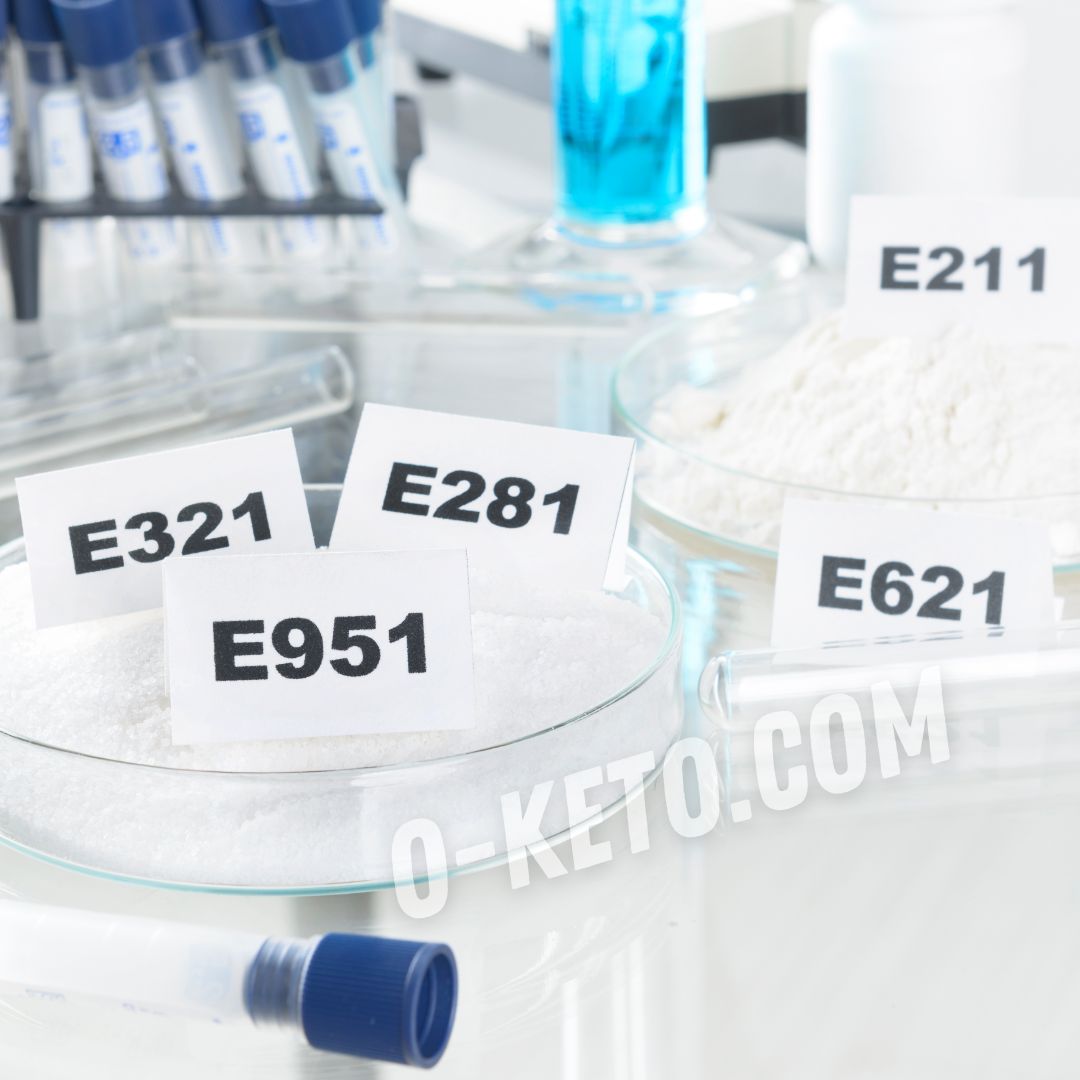
Potassium acetate E261 is the potassium salt of acetic acid. In food, it is used mainly as an acidity regulator, buffering agent, and technological ingredient that helps maintain the desired pH and a stable flavor profile. Its role is different from plain vinegar. Acetic acid gives a sharp sour note, while potassium acetate can soften acidity, hold a target environment, and support product quality during storage.
The word “potassium” can be misleading. In nutrition, potassium is associated with electrolytes, blood pressure, muscle function, and adaptation to a low-carbohydrate diet. That does not mean E261 should be viewed as a convenient way to increase potassium intake. In a finished food it is an additive with a manufacturing purpose, not a mineral supplement designed for correcting electrolyte status. If a person needs more potassium, the starting point should be food choices, kidney function, medication context, salt intake, and professional advice when needed, not the presence of potassium acetate in a sauce or preserved product.
Why it is used
Potassium acetate helps regulate acidity where the manufacturer needs more than a simple sour taste. It may appear in sauces, marinades, processed meat products, some vegetable preparations, ready meals, and products where flavor, texture, and microbial stability have to remain predictable. Unlike vinegar, acetate salts often work quietly. They affect pH and stability without always producing a clear flavor that can be recognized from one bite.
The buffering role matters because product acidity is influenced by many things besides added acid. Proteins, salt, minerals, water activity, other additives, heat treatment, storage time, and raw materials can all shift the final pH. If pH moves too far or too quickly, flavor, texture, color, and resistance to spoilage may change. Potassium acetate may therefore be part of a broader preservation system together with acetic acid, citrates, lactates, salt, spices, preservatives, or packaging that limits oxygen exposure.
Low-carb and keto context
E261 itself is not sugar and does not make a product high in carbohydrate. The low-carb value of the food still depends on the whole recipe. A sauce containing potassium acetate may be perfectly compatible with keto if it contains no sugar, starch, sweet syrups, or high-carbohydrate thickeners. The same additive may also appear in a sweet-and-sour sauce that is not suitable at all. Ready marinades, ketchup-style sauces, Asian sauces, and processed meat products should be judged by the ingredient list and nutrition table, not by one E-number.
Electrolytes are a separate issue for people on keto. When carbohydrate intake falls, the body often loses more water and sodium, and the practical need for salt, magnesium, and potassium can change. Potassium acetate in a processed food does not solve that predictably. The dose is not listed for nutritional correction, the product may also contain a lot of sodium or sugar, and a technological potassium salt is not the same as a planned electrolyte strategy. It is better to assess electrolytes through normal food, salt use, mineral waters, supplements when appropriate, and medication review for people taking diuretics, blood pressure medication, or drugs that affect potassium balance.
What to watch
For most healthy adults, potassium acetate in ordinary food amounts is rarely the main reason to reject a product. More practical questions are usually whether the food contains sugar, starch, too much salt, flavor enhancers, many preservatives, or poor-quality ingredients hidden behind a strong acidic-salty taste. A heavily processed sauce can make food more tempting and easier to overeat even when the additive itself is not the problem. Frequency matters as much as the ingredient line: occasional use in a sauce is different from building most meals around processed products.
Greater caution is reasonable for people who have been told to monitor or restrict potassium. Chronic kidney disease, potassium-sparing diuretics, ACE inhibitors, angiotensin receptor blockers, some heart medications, and other clinical situations can make potassium balance more sensitive. A small amount of E261 in food is usually not comparable to therapeutic potassium doses, but diet, supplements, and medications should be considered together. If potassium restriction is medically relevant, it is safer to choose foods by the full label and discuss electrolyte supplements separately instead of assuming that a food additive with “potassium” in the name is either useful or dangerous by itself.
If you have any questions about the term "E261 (potassium acetate)", you can ask them to AI. Please note, a low-cost OpenAI model is used. It may answer questions about disease treatment with errors!


 1 / 4
1 / 4

 1 / 4
1 / 4

