


Lipase
This enzyme breaks dietary triglycerides into fatty acids and monoglycerides so fat can be absorbed in the intestine. Pancreatic lipase is central, but bile, food mixing and a healthy intestinal lining are also required; blood lipase testing is used mainly when pancreatic injury is suspected, not as a simple measure of fat digestion.
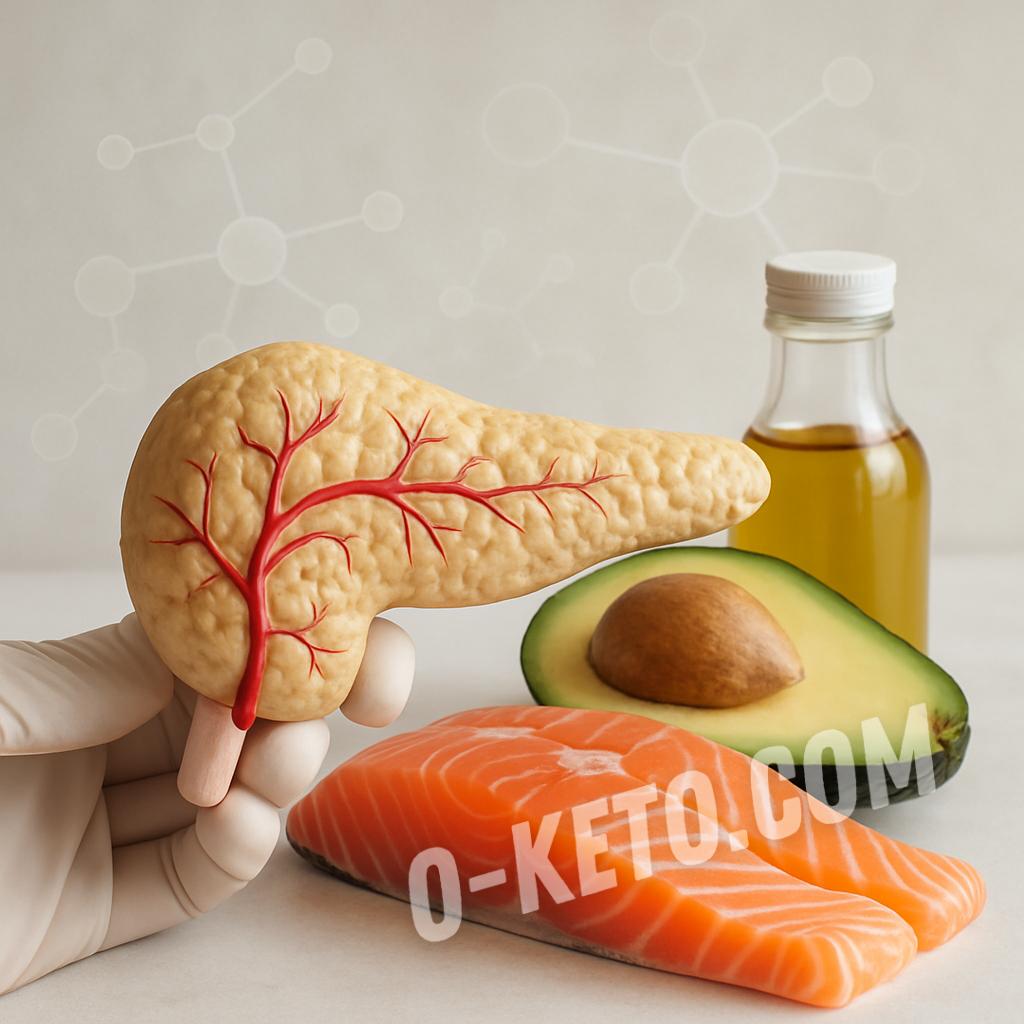
Lipase is an enzyme that breaks down fats. In digestion, its main task is to split dietary triglycerides into fatty acids and monoglycerides so they can be absorbed in the intestine. The most important digestive form is pancreatic lipase, released by the pancreas. Other lipases also exist: gastric lipase, lingual lipase, hormone-sensitive lipase in fat tissue and lipoprotein lipase in blood vessels.
The word lipase must therefore be read in context. Digestive lipase helps digest fat in the intestine. Lipoprotein lipase helps process triglycerides in blood. Hormone-sensitive lipase is related to releasing fatty acids from fat tissue. Blood lipase testing is usually used when pancreatic injury is suspected, not as a household measure of how well someone digests butter.
How lipase digests fat
Dietary fat mixes poorly with water, so lipase alone is not enough. Bile emulsifies fat, breaking it into small droplets, and pancreatic lipase works on the surface of those droplets. The breakdown products then combine with bile acids to form micelles, which help fatty acids, monoglycerides and fat-soluble vitamins be absorbed.
If bile is insufficient, a duct is blocked, the pancreas releases too few enzymes or the small intestinal lining is damaged, fat digestion worsens. Greasy shiny stool, strong odor, diarrhea, bloating, weight loss and deficiencies of vitamins A, D, E and K may appear. These signs should not be managed only by buying enzymes without understanding the cause.
Blood lipase testing
Blood lipase is a laboratory marker often checked when acute pancreatitis is suspected. When the pancreas is inflamed or damaged, the enzyme may enter the blood in increased amounts. Elevated lipase does not always mean the same diagnosis, and normal lipase does not explain every type of abdominal pain.
Interpretation depends on symptoms, amylase, liver enzymes, bilirubin, triglycerides, alcohol, medications, gallstones, kidney function and ultrasound or CT findings. Severe upper abdominal pain, vomiting, fever or worsening general condition needs medical evaluation. Adding digestive enzymes at home is not appropriate in that situation.
Keto, LCHF and fat tolerance
On keto and LCHF, dietary fat often increases, so the digestive system must handle a greater load. If a person suddenly adds large amounts of oil, cream, fatty meat and MCT oil, nausea, diarrhea or heaviness may appear. This does not always mean keto is unsuitable; sometimes the transition is too fast or the biliary system has not adapted.
Practically, it is better to increase fat gradually, distribute it across meals, avoid drinking large doses of oil separately, consider dairy tolerance and watch the response to MCTs. Protein, bitters, tolerated vegetables, a normal meal rhythm and adequate bile flow often matter more than trying to add an enzyme to every dish.
When enzymes may be needed
Pancreatic enzymes are prescribed for confirmed pancreatic insufficiency, chronic pancreatitis, after some surgeries, cystic fibrosis and other conditions. In such cases, dose, timing with meals, stool, weight and nutrient deficiencies need monitoring. This is a medical task, not simply a biohacking supplement for digesting a fatty dinner.
If symptoms occur only after a very large fat portion, it is often wiser to reduce the portion, change the type of fat and evaluate the gallbladder if pain is present. If greasy stool, weight loss, deficiencies or severe pain are persistent, diagnosis is needed. Lipase as a supplement and lipase as a blood test are different subjects, and mixing them can be risky.
Practical interpretation
Lipase is essential for fat absorption, but it works inside a system: pancreas, bile, intestine, motility and food composition. Good fat digestion depends not only on the enzyme, but also on how fat enters the meal, what it is combined with and whether digestive organs are healthy.
For low-carbohydrate nutrition, this is especially practical. Fats can be an important energy source, but they should be introduced in a way the intestine and biliary system can handle. If fat causes persistent symptoms, the task is not to endure heroically, but to find the cause: portion size, fat type, bile, pancreas, medications or inflammation.
If you have any questions about the term "Lipase", you can ask them to AI. Please note, a low-cost OpenAI model is used. It may answer questions about disease treatment with errors!


