


Why is low stomach acidity beneficial for alkalizing the blood?
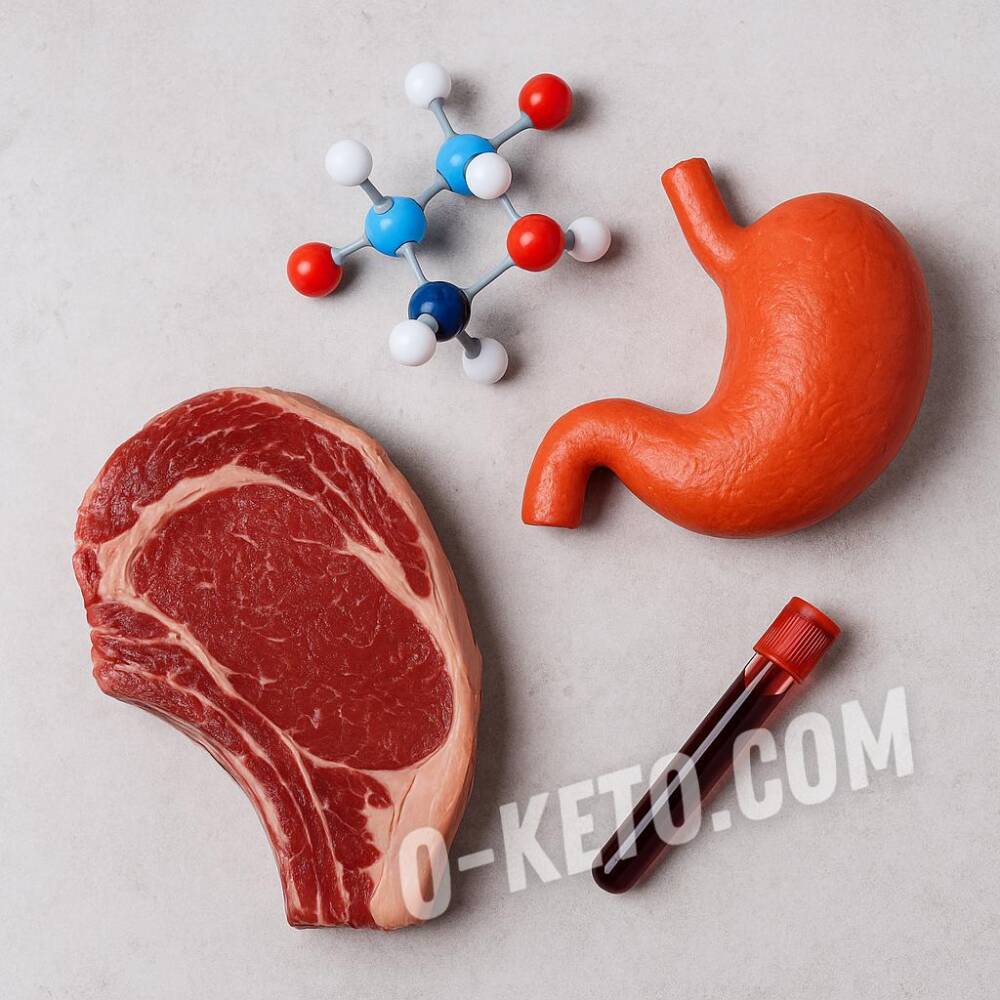

The better the proton pump works, that is, the more acidic the gastric juice, the better the blood feels (the more alkaline it is). And the proton pump works better for those who primarily consume protein products.
The proton pump — is a protein on the surface of parietal cells in the stomach that "pumps" hydrogen ions (H⁺) into the lumen of the stomach in exchange for potassium ions (K⁺). This is the main mechanism of acid production — that is, it is thanks to it that gastric juice becomes acidic (pH can be 1–2).
How is this related to blood alkalinity?
During active acid secretion in the stomach, equivalent amounts of bicarbonates (HCO₃⁻) are simultaneously released into the blood — this is called "alkaline tide". That is:
The more acid is produced in the stomach, the more alkali enters the blood.
This is physiologically conditioned:
When H⁺ is formed in parietal cells from water and CO₂ (with the help of the enzyme carbonic anhydrase), HCO₃⁻ is also formed simultaneously. H⁺ ions are released into the stomach, while bicarbonates are released into the blood. Thus:
- The stomach — becomes acidic (high acidity);
- The blood — becomes alkaline (temporarily).
What does this give to the body?
- Alkalinization of the blood during the active digestive phase helps to compensate for the acidity that can potentially occur due to metabolic products.
- The bicarbonate system — is one of the main buffers in the blood, and the additional influx of HCO₃⁻ strengthens its ability to maintain a pH around 7.35–7.45.
- This is also an important component of detoxification and overall homeostasis: with sufficient alkalinity, the blood better binds and removes metabolites, especially acidic ones.
Protein food — the main stimulator of gastric juice secretion
When proteins or amino acids enter the stomach, a powerful chain of stimuli is triggered to activate the proton pump. This is related to several mechanisms:
Amino acids → Gastrin. Proteins, especially aromatic amino acids (phenylalanine, tyrosine, tryptophan), stimulate the production of gastrin — a hormone of the stomach. Gastrin activates parietal cells, stimulating the proton pump: H⁺/K⁺-ATPase begins to actively release hydrogen ions into the lumen of the stomach. As a result — gastric acid sharply increases.
Neural (vagal) stimulation. At the sight, smell, and especially chewing of protein food, the vagus nerve (n. vagus) is activated. It enhances the release of acetylcholine, which directly stimulates parietal cells. Protein food enhances this effect more than carbohydrates or fats.
Proteins require an acidic environment. To break down proteins, an active enzyme pepsin is needed, and it only works in an acidic environment (optimal at pH 1.5–2). The body knows: if there are many proteins, more acid is needed to digest them. This creates a positive feedback loop: the more protein → the more acid → the more actively the proton pump works.
List of YouTube videos on the topic "Why is low stomach acidity beneficial for alkalizing the blood?":