Chapter 1. Children – magnets for microbes
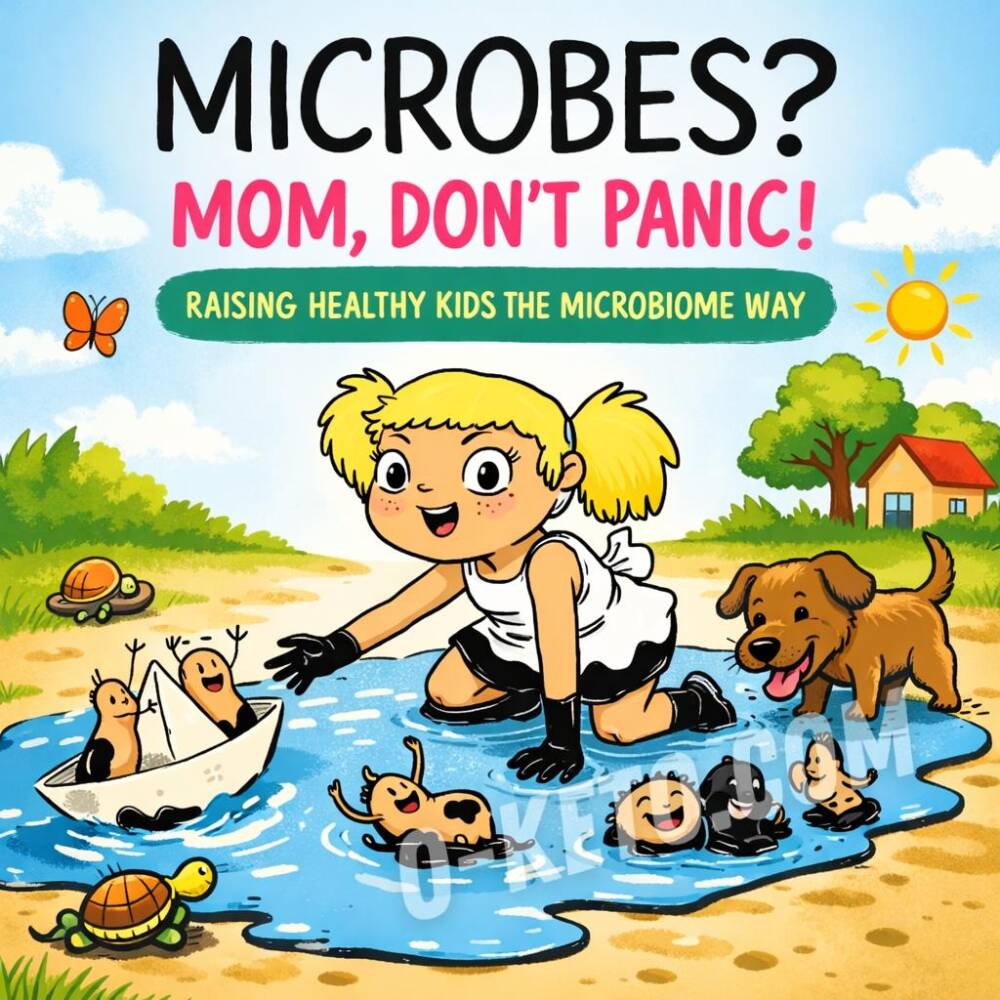
From the first days of life, children actively collect microbes from their environment – through skin, mouth, breathing, objects, people, and animals. This is not a chaotic process, but a biologically programmed strategy: the child's body is "seeking" microbial diversity to tune the immune system.
Attempts to isolate a child from dirt and microbes disrupt this natural selection. As a result, the immune system receives too few stimuli, increasing the risk of allergies, asthma, and chronic inflammatory conditions in the future.
Chapter 2. Newly discovered organ: the human microbiome
The microbiome is considered a full-fledged functional organ that influences digestion, immunity, metabolism, and even brain function. It consists of trillions of microorganisms, whose genes far outnumber human genes.
Disruption of the microbiome – through antibiotics, diet, or lifestyle – leads to systemic failures in the body. The authors emphasize that many modern diseases are related not to the "breakdown" of organs, but to the loss of microbial balance.
Chapter 3. Pregnancy: eating for two? Try eating for trillions!
During pregnancy, a woman's diet affects not only the fetus but also the formation of its future microbiome. The mother's microbes participate in programming the child's immune and metabolic systems even before birth.
A monotonous, nutrient-poor diet and frequent use of antibiotics disrupt this process. The authors emphasize the quality of nutrition rather than the quantity of calories.
Chapter 4. Birth: welcome to the world of microbes
The moment of birth is a key stage of microbial "colonization." In natural births, the child receives a starting microbiome from the mother, which becomes the foundation for further immune development.
C-section and sterile environments change this scenario, delaying and distorting the formation of the microbiome. This is not a verdict, but a risk factor that requires a conscious approach moving forward.
Chapter 5. Breast milk – liquid gold
Breast milk is not just nutrition but a complex biological system designed to nourish the child's microbes. It contains oligosaccharides that are not absorbed by the infant but serve as food for beneficial bacteria.
Thus, breastfeeding forms the correct microbial ecosystem of the gut, reducing the risk of infections, allergies, and metabolic disorders. The authors emphasize that the uniqueness of breast milk cannot be fully replicated by artificial formulas.
Chapter 6. Solid food: the diet of microbes expands
The introduction of solid food radically changes the child's microbiome: microbes receive new substrates for nourishment, and the intestinal ecosystem begins to complicate and stabilize. It is the composition of food, not its caloric content, that determines which bacterial communities will dominate.
Refined products and excess sugar impoverish microbial diversity, while whole foods create conditions for the formation of a stable microbiome. This lays the groundwork for metabolic and immune responses for years to come.
Chapter 7. Antibiotics: carpet bombing of the microflora
Antibiotics destroy not only pathogens but also a large part of the beneficial microflora, especially in children. After such interventions, the microbiome may not fully recover, leaving "empty niches" for opportunistic organisms.
The authors emphasize that frequent and prophylactic use of antibiotics in childhood is associated with an increased risk of allergies, obesity, and autoimmune diseases. Antibiotics should be used only for strict indications.
Chapter 8. Pets – best friends of microbes
Contact with pets significantly increases the microbial diversity of the environment in which a child grows up. This contributes to a more proper "training" of the immune system and reduces the risk of allergic diseases.
Animals bring microbes from the external environment into the home, acting as a natural bridge between the child and the natural microbiota. The authors view this as an important protective factor, not a threat.
Chapter 9. Lifestyle: microbe-deficiency disorder
The modern lifestyle is characterized by a lack of microbial contact: sterile homes, processed food, minimal contact with nature. This creates a condition that the authors describe as "microbe deficiency."
This deficiency is associated with an increase in chronic inflammation, psycho-emotional disorders, and metabolic diseases. The return to reasonable contact with the environment is seen as an important element of prevention.
Chapter 10. Obesity: the world is getting heavier
Obesity is presented not only as a consequence of overeating but also as a result of a disrupted microbiome. Certain microbial profiles can enhance energy extraction from food and influence appetite hormones.
The authors show that early microbial disruptions increase the risk of obesity in the future, especially when combined with antibiotics and an industrial diet. Controlling the microbiome is seen as a key factor in preventing metabolic disorders.
Chapter 11. Diabetes: microbes are quite the sweet tooth
Disruptions in the microbiome directly affect blood sugar regulation and tissue sensitivity to insulin. Certain bacterial communities enhance inflammation and contribute to insulin resistance, while others support stable carbohydrate metabolism.
The authors emphasize that the formation of a "diabetogenic" microbiome begins long before the appearance of clinical symptoms – even in childhood, under the influence of diet, antibiotics, and lifestyle.
Chapter 12. Intestinal diseases: fire in the belly!
Inflammatory bowel diseases are seen as a consequence of the loss of microbial balance between the body and its microbes. When protective bacteria disappear, the intestinal wall becomes vulnerable to inflammation and immune attacks.
The authors explain that the problem lies not only in immunity but also in disrupted communication between microbes and the intestinal epithelium, which supports chronic inflammation.
Chapter 13. Asthma and allergy: microbes help us breathe easier
The development of asthma and allergies is closely related to a deficiency of microbial diversity in early childhood. The immune system, without sufficient microbial "training," tends to react to harmless stimuli as if they were threats.
The authors show that a rich microbial environment, contact with animals, and minimizing unnecessary interventions reduce the risk of respiratory and allergic diseases, forming more stable immune reactivity.
Chapter 14. Gut feelings: microbiota and the brain
The gut microbiome is directly linked to brain function through the "gut-brain" axis. Microbes participate in the synthesis of neurotransmitters, influence inflammation levels, and regulate stress responses, thereby affecting mood, behavior, and cognitive functions.
The authors emphasize that early disruptions in the microbiota may increase the risk of anxiety disorders, depression, and concentration problems. Mental health is viewed not only as a psychological issue but also as a reflection of the state of the microbial ecosystem.
Chapter 15. Vaccines work!
Vaccination is presented as an effective and necessary protective tool that works in conjunction with the immune system and microbiome. A healthy microbiota enhances the immune response to vaccines and contributes to the formation of long-term protection.
The authors specifically emphasize that vaccines do not destroy the microbiome and are not the cause of its disruptions. On the contrary, they prevent infections that could cause much greater harm to the microbial ecosystem.
Chapter 16. Bacteria as medicine
The authors link the future of medicine to the targeted use of bacteria and microbial communities for the prevention and treatment of diseases. Methods of microbiota transplantation and the development of "live" drugs are already being studied today.
The key idea of the chapter is that treatment should not only address symptoms and organs but also the ecosystem of microbes. Restoring microbial balance is seen as a fundamental approach to the therapy of chronic, metabolic, and inflammatory diseases.