



The keto diet, also known as the ketogenic diet, is gaining more attention due to its ability to promote weight loss and improve overall well-being.
Basic Principles of the Keto Diet
Ketogenesis does not start just because someone decided to cut carbs. It usually requires two things at the same time: insulin needs to come down, and liver and muscle glycogen needs to begin running low. As long as glycogen is still easily covering energy needs, the body has little reason to increase ketone production strongly. That is why one low-carb meal alone does not automatically mean meaningful ketosis.
In simple terms, glycolysis means running mainly on glucose, lipolysis means breaking stored fat into fatty acids, and ketogenesis means turning part of those fatty acids into ketone bodies in the liver. These processes are connected, but they are not identical. A person may already be leaning more on fat while still not producing many ketones yet, and that is a normal transition stage.
The shift is not instant because the first 24 to 48 hours are often spent using available glucose and the remaining glycogen while hormone signals and enzyme activity begin to adjust. Some people notice steadier satiety early, while others feel a drop in energy, irritability, or stronger cravings for familiar carbohydrates. That does not automatically mean keto is failing. Very often it simply reflects the transition itself.

The main principle of this diet is to significantly reduce carbohydrate intake and increase the proportion of fats in the diet. This leads to a state known as ketosis, where the body begins to use fats as the primary source of energy instead of carbohydrates.
Under normal conditions, our body gets most of its energy from carbohydrates, which are converted into glucose.
However, with the keto diet, the amount of carbohydrates consumed is sharply limited, prompting the liver to convert fats into ketones – an alternative energy source. This process helps to burn fat more efficiently and can lead to significant weight loss.
So, the basic principles of the keto diet include:
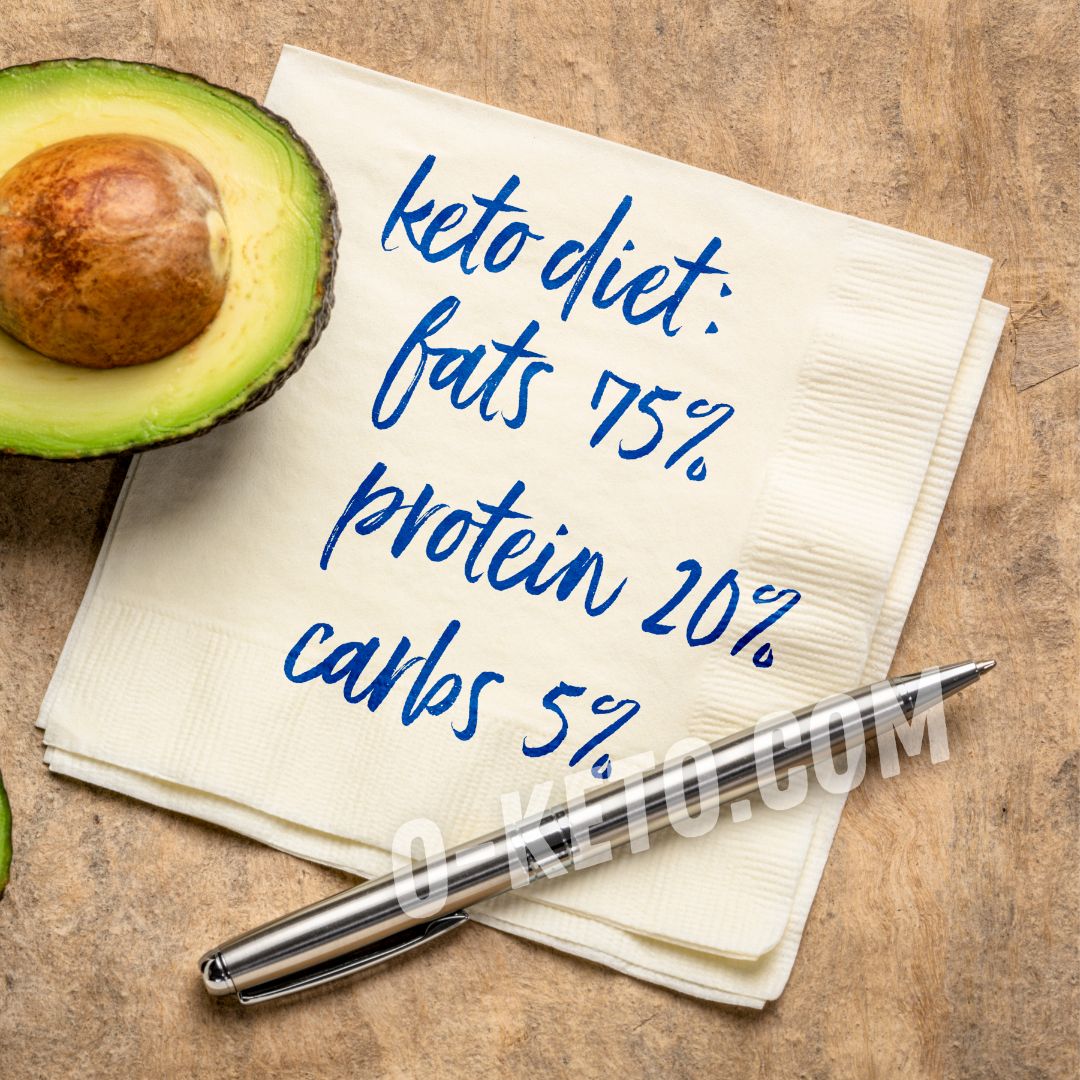
Reducing carbohydrates. Typically to 20-50 grams per day.
Increasing fats. Fats make up about 70-75% of the caloric intake.
Moderate protein intake. Approximately 20-25% of caloric intake.
On Keto, Fat Quality Matters Too
One common mistake is to reduce keto to the formula “eat fewer carbs and simply add more fat.” In practice, a ketogenic diet is usually better tolerated when it contains less industrial seed oils and less excess omega-6, while relying more on whole foods and more stable fat sources. Otherwise a person may follow low-carb on paper while still eating in a way that works against satiety, inflammation control, and overall tolerance.
This is especially relevant when the diet is built around frequent use of soybean, corn, safflower, and similar oils in packaged foods, sauces, mayonnaise, snacks, and frying. The problem is not that every omega-6 source is automatically harmful, but that modern diets easily become unbalanced: omega-6 goes up while whole-food omega-3 sources and more natural fats stay too low.
Which Fats Usually Fit Keto Better
In many cases, keto works better when it is built around extra virgin olive oil, avocado and avocado oil, eggs, fatty fish, meat, butter or coconut oil in reasonable amounts, nuts, and other minimally processed foods. That pattern supports metabolic flexibility much better than a diet where most fat comes from cheap refined oils and ultra-processed food.
This does not mean every meal should be flooded with added fat. If the goal is weight loss or better metabolic markers, fat should help with satiety and the shift toward fat-based fuel, not turn keto into a constant calorie surplus. In other words, keto works better when a person watches not only carb grams, but also where their fats are coming from.
Where MCT and Coconut Fats Can Help
MCT oil and coconut-based fats can be useful as tools, not as mandatory foundations of keto. Medium-chain triglycerides reach the liver quickly and may help some people enter ketosis more easily or feel steadier during the transition period. But they are not ideal for everyone: larger amounts can trigger nausea, abdominal discomfort, or diarrhea, so they are usually best introduced gradually.
The practical bottom line is that keto does not mean “as much fat as possible.” A more accurate definition is a diet low in carbohydrates, moderate in protein, and more selective about fats, where quality, tolerance, and the person’s goal all matter.
Benefits of the Keto Diet
The keto diet has many advantages that make it appealing to people looking to improve their health and appearance.
One of the main benefits is effective weight loss. The body’s transition to using fats as the primary energy source promotes rapid burning of fat stores.
The keto diet not only helps with weight loss but can also positively affect blood sugar levels, which is especially important for people with type 2 diabetes or prediabetes. Reducing carbohydrate intake leads to stabilization of insulin levels, reducing the risk of sharp blood sugar spikes.
It is also worth noting that the keto diet promotes increased energy levels and improved cognitive function. Since ketones are a more efficient energy source for the brain, many people report improvements in concentration and memory.
Other benefits include reduced inflammatory processes in the body and lower levels of triglycerides and “bad” cholesterol, contributing to improved overall cardiovascular health.
It also positively affects some chronic diseases.
However, like any other diet, it requires a mindful approach and careful attention to one’s health.
Potential Risks and Side Effects
Although the keto diet can be effective for many people, it is also associated with a number of potential risks and side effects.
One of the most common side effects is the so-called “keto flu,” which can include headaches, fatigue, irritability, and nausea. These symptoms usually pass within a few days but can be quite unpleasant.
Additionally, an improper keto diet can lead to deficiencies in certain nutrients, such as B vitamins, vitamin C, and fiber, as many fruits and grains are excluded from the diet. This can cause digestive issues and weaken the immune system.
A misguided approach to the keto diet can also lead to kidney problems due to excessive protein intake.
Long-term risks may also include:
- Increased cholesterol levels and cardiovascular diseases.
- Hormonal imbalances, especially in women.
It is important to consult a doctor or dietitian before starting the keto diet to assess all potential risks and ensure that this approach is suitable for you.
Sources
- International society of sports nutrition position stand: ketogenic diets — Journal of the International Society of Sports Nutrition, 2024.
- Nutrition Therapy for Adults With Diabetes or Prediabetes: A Consensus Report — American Diabetes Association.
- The Ketogenic Effect of Medium-Chain Triacylglycerides — Frontiers in Nutrition, 2021.
- The impact of medium-chain triglycerides on weight loss and metabolic health in individuals with overweight or obesity: A systematic review and meta-analysis — Clinical Nutrition, 2024.


