


Orthomolecular Medicine Helps Improve Tolerance to Chemotherapy and Radiotherapy
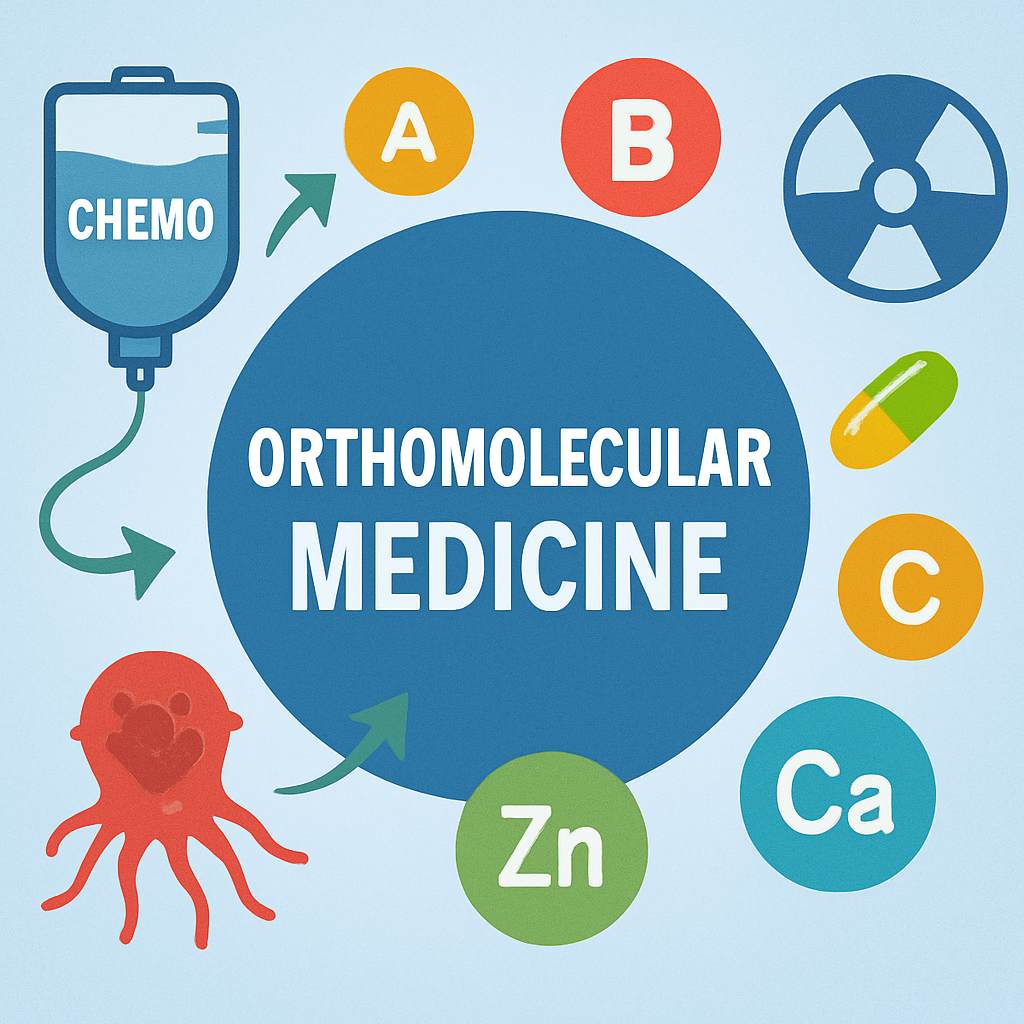

Orthomolecular medicine is used in the comprehensive treatment of cancer to prevent and eliminate the causes of diseases, as well as to support the body during chemotherapy and radiotherapy, improving patients' quality of life through additional intake of micronutrients and antioxidants.
Orthomolecular medicine is an approach aimed at maintaining health and treating diseases through optimally dosed vitamins, minerals, and other biologically active substances. This method is widely used as a complement to traditional cancer treatments, particularly chemotherapy and radiotherapy, to improve the tolerance of these intensive procedures and support the patient's immune system.
During chemotherapy and radiotherapy, the body experiences significant stress: physical and mental performance deteriorates, and vital micronutrient deficiencies occur, reducing the quality of life. Orthomolecular therapy compensates for these deficiencies through individually tailored doses of vitamins and antioxidants necessary for restoring strength and increasing the overall resistance of the body.
It is important to understand that orthomolecular medicine does not replace primary oncological treatment but serves as a complement aimed at reducing side effects and strengthening health. This approach helps make chemotherapy and radiotherapy more tolerable and effective, as confirmed by the practice of leading specialists and medical centers.
Main Advantages of Orthomolecular Therapy in Oncology:
- Restoration of energy balance and physical endurance;
- Support for the immune system;
- Prevention and elimination of the underlying causes of diseases that weaken the body;
- Reduction of negative symptoms associated with aggressive treatment;
- Improvement of patients' quality of life during and after the completion of oncotherapy.
Modern orthomolecular therapy is based on scientific data and is used both at the beginning of treatment and during recovery after chemotherapy and radiotherapy. This comprehensive approach contributes to a more successful fight against the disease and improves the overall condition of patients.