


TOP-5 studies on disease treatment from 23.08.2026 to 30.08.2026
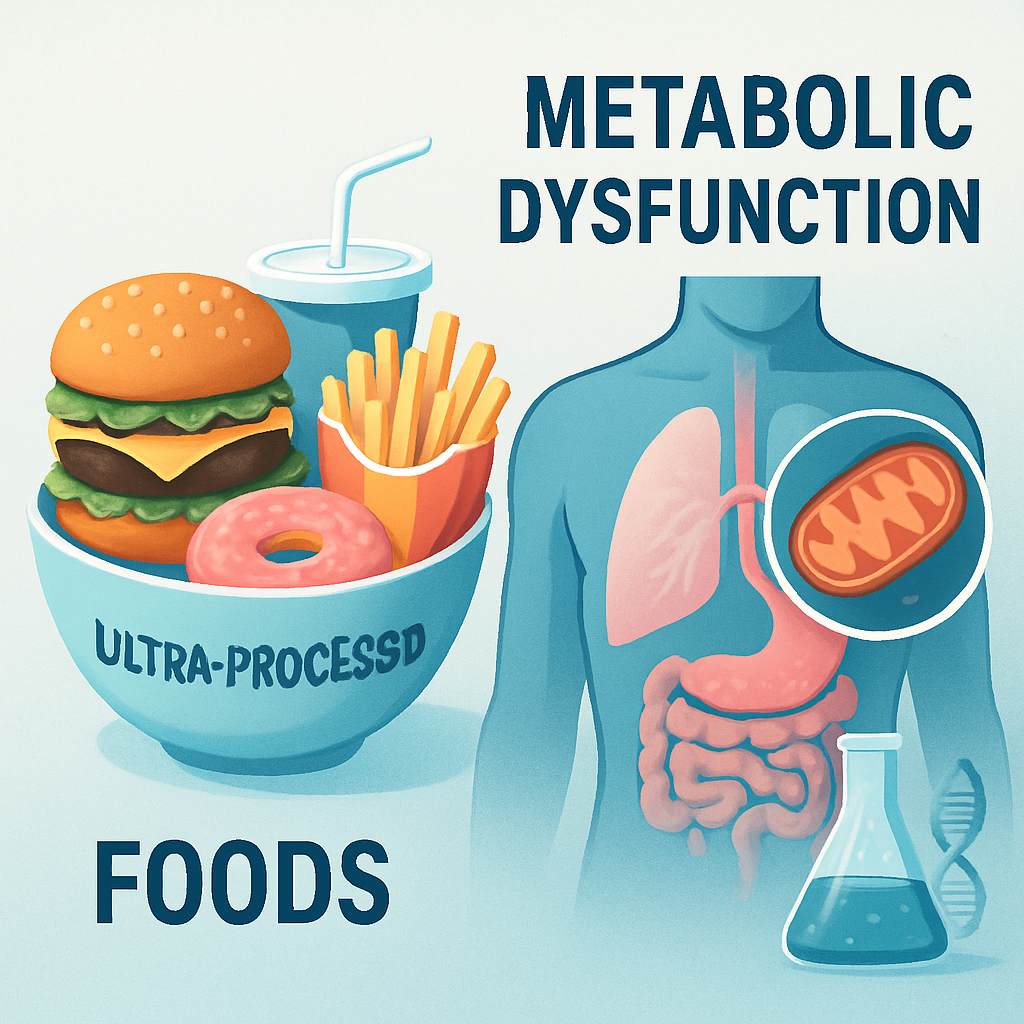

Ultra-processed foods and metabolic dysfunction: mechanisms, clinical consequences, and public health perspectives. Position paper of the Italian Association of Dietetics and Clinical Nutrition (ADI); The potential role of mitochondrial-associated endoplasmic reticulum membrane (MAM) anomalies in epileptogenesis: multimodal mechanisms and therapeutic targets; The role of SGLT2 inhibitors in the prevention of type 2 diabetes: a narrative review of current data; Sex differences in the gut microbiome and associated metabolites: role in cardio-metabolic diseases; Lp(a) in chronic kidney disease: current state and treatment prospects.


5. Ultra-processed foods and metabolic dysfunction: mechanisms, clinical consequences, and public health perspectives. Position paper of the Italian Association of Dietetics and Clinical Nutrition (ADI).
What the work is about.
The document examines the impact of ultra-processed foods on metabolic health and the risk of chronic diseases, focusing on biological and behavioral mechanisms.
Results.
High consumption of ultra-processed foods is associated with obesity, insulin resistance, cardiovascular diseases, metabolic dysfunction, cancer, neuroinflammation, and immune system impairment. Ultra-processed foods have been identified as a major modifiable risk factor for non-communicable chronic diseases.
4. The potential role of mitochondrial-associated endoplasmic reticulum membranes (MAMs) anomalies in epileptogenesis: multimodal mechanisms and therapeutic targets.
What the work is about.
The review discusses the role of membranes associated with mitochondria and the endoplasmic reticulum (MAMs) in the pathogenesis of epilepsy. It analyzes the mechanisms through which MAMs regulate cellular processes and how their dysfunction may contribute to the onset and progression of seizures.
Results.
MAMs have been identified as a critical node in epilepsy, and targeted interventions may help overcome drug resistance and alter disease progression.
3. The role of SGLT2 inhibitors in the prevention of type 2 diabetes: a narrative review of current data.
What the work is about.
The review examines the use of SGLT2 inhibitors to prevent the development of type 2 diabetes in adults with prediabetes. Arguments for and against their routine clinical application are discussed.
Results.
Multiple studies have shown that SGLT2 inhibitors improve insulin sensitivity, promote moderate weight loss, lower blood pressure, and have a favorable impact on liver lipid metabolism. Two recent meta-analyses confirm that SGLT2 inhibitors reduce the incidence of new type 2 diabetes in adults with prediabetes who have heart failure or chronic kidney disease, with a relative risk reduction.
2. Sex differences in the gut microbiome and associated metabolites: role in cardio-metabolic diseases.
What the work is about.
The review discusses sex differences in the gut microbiome and associated metabolites, as well as their influence on cardio-metabolic diseases. It focuses on differences in microbial diversity and composition at various life stages, including premenopausal and postmenopausal periods.
Results.
The available abstract does not describe the results in sufficient detail.