

TOP-5 studies on disease treatment from 11.10.2026 - 18.10.2026
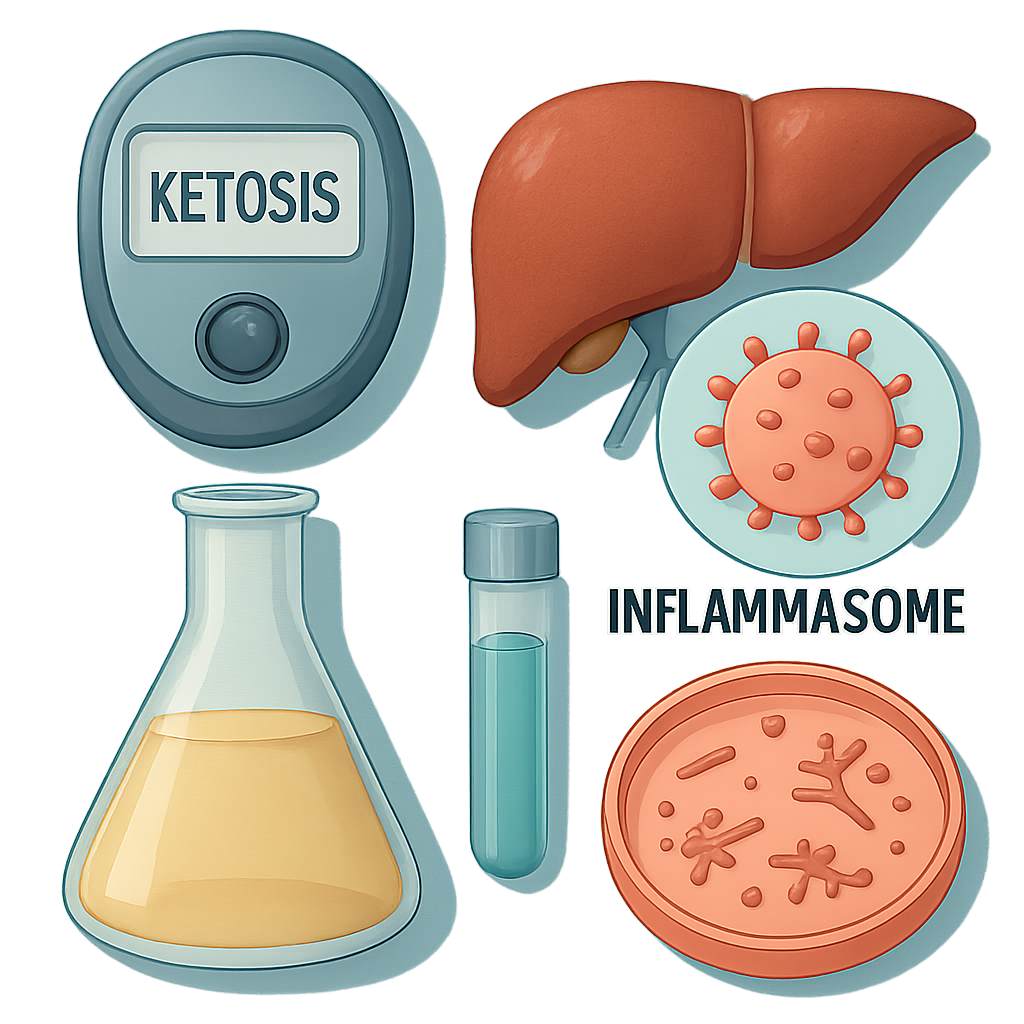

Metabolic ketosis weakens NLRP3 inflammasome activation and is associated with improved liver steatosis and stiffness in MASLD: a pilot randomized controlled trial; Potential links between polycystic ovary syndrome/postmenopausal osteoporosis and Alzheimer's disease and related dementias; Approach to patients after gestational diabetes: what next?; DHA as a systemic regulator of neuroinflammation: a narrative review integrating membrane organization, immunometabolism, and resolution of inflammation; Brain-derived neurotrophic factor in diabetes: a promising target for cognitive function recovery.


5. Metabolic ketosis weakens NLRP3 inflammasome activation and is associated with improved hepatosteatosis and liver stiffness in MASLD: a pilot randomized controlled trial.
About the study.
The study aimed to evaluate the impact of a ketogenic diet on inflammatory processes and liver condition in patients with metabolic dysfunction associated with fatty liver disease (MASLD). Results of the use of a medium-chain triglyceride enriched formula were compared to a standard low-carbohydrate diet.
Results.
The intervention with the C8 enriched formula led to increased levels of β-hydroxybutyrate, improved metabolic parameters including reduced serum glucose, HOMA-IR, body fat percentage, and BMI. Changes in inflammatory markers were also recorded, including expression of caspase-1 mRNA and NLRP3, as well as improvements in hepatosteatosis and liver stiffness.
4. Potential links between PCOS/PMOS and Alzheimer's disease and related dementias.
About the study.
The study aimed to identify potential links between polycystic ovary syndrome/polyendocrine metabolic syndrome and Alzheimer's disease. Mechanisms that may connect these conditions to cognitive impairments and dementia risk were evaluated.
Results.
Evidence supports the existence of several potential mechanistic pathways linking PCOS/PMOS with biology related to Alzheimer's disease, including insulin resistance, chronic inflammation, and hormone dysfunction. Patients with PCOS/PMOS exhibit mild but reproducible impairments in executive function and memory, as well as structural and functional changes in the brain.
3. Approach to patients after gestational diabetes: what next?
About the study.
The study focuses on the consequences of gestational diabetes and the need for ongoing monitoring of women after its occurrence. Risks of developing type 2 diabetes and cardiovascular diseases in these women are discussed.
Results.
Women with a history of gestational diabetes have an increased risk of developing type 2 diabetes and cardiovascular diseases. Long-term monitoring and counseling are necessary to reduce the risk of progression to diabetes and cardiovascular diseases.
2. DHA as a systemic regulator of neuroinflammation: a narrative review integrating membrane organization, immunometabolism, and resolution of inflammation.
About the study.
The review is dedicated to the role of docosahexaenoic acid (DHA) in regulating neuroinflammatory processes, focusing on the mechanisms of interaction between membrane organization, immunometabolism, and resolution of inflammation. Various factors affecting the effectiveness of DHA in the context of neurodegenerative diseases are discussed.