



Lectins are a group of proteins found in plants, animals, and microorganisms that perform protective and signaling functions. Their key feature is the ability to selectively bind to carbohydrates on the surface of cells, which directly affects processes such as digestion, immune response, and intercellular interactions. This biochemical activity has made lectins a subject of active discussions in nutrition and dietetics.
In recent years, lectins have become a particularly popular topic due to anti-nutrient concepts and diets that exclude them.
However, scientific data indicate a more complex picture: the effects of lectins depend on their type, quantity, method of food preparation, and individual characteristics of the organism. To form a balanced approach, it is important to consider both the potential risks and the physiological role of these proteins.
What are lectins and how do they affect the body
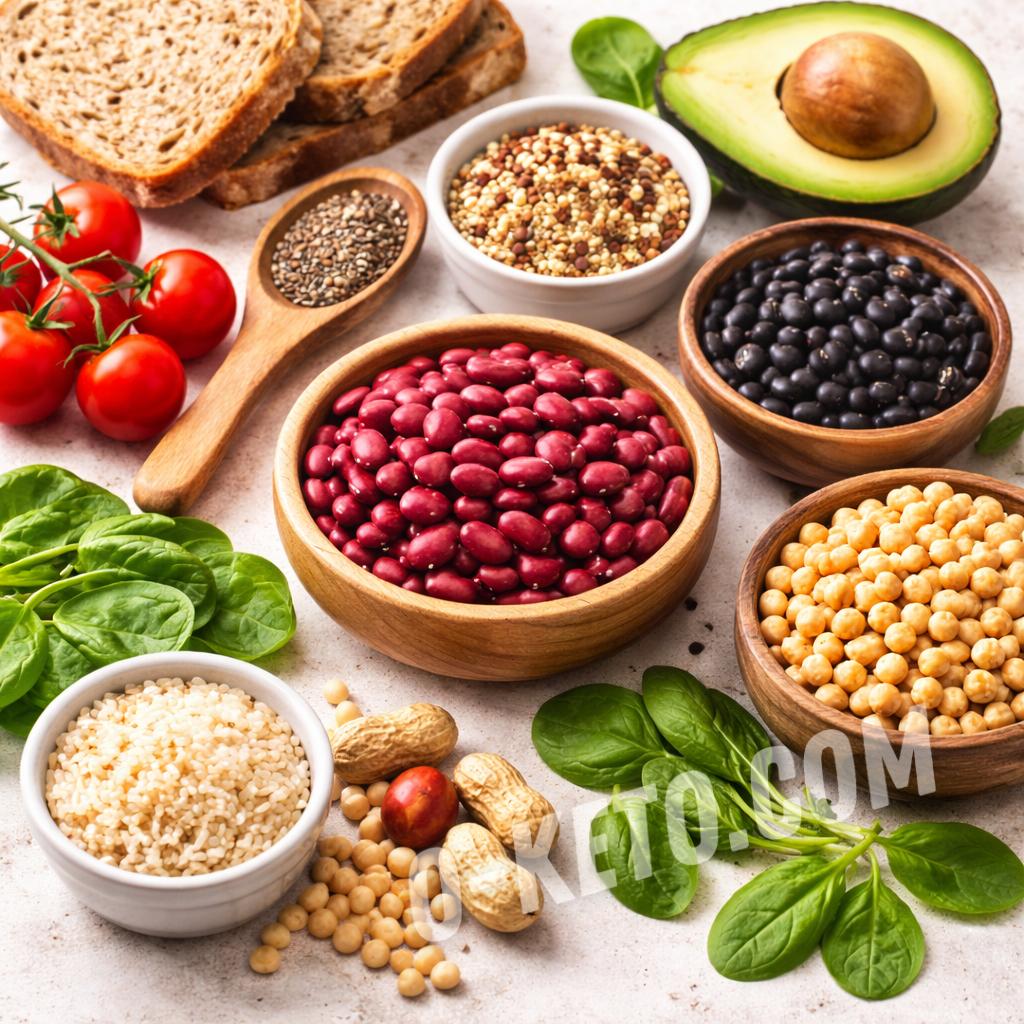
Lectins are proteins or glycoproteins that can specifically bind to carbohydrate structures on cell membranes. In plants, they serve a protective function by preventing the consumption of seeds and leaves by insects and animals. The highest amounts of lectins are found in legumes, grains, nightshades, and seeds.
In the human body, lectins can interact with the cells of the intestinal mucosa. Depending on their structure and concentration, they can:
- affect the permeability of the intestinal barrier;
- alter the activity of immune cells;
- hinder the absorption of certain minerals and trace elements.
Some lectins are thermally unstable and break down during cooking, but some forms retain their activity even after processing.
The role of lectins in human nutrition and health
Lectins are biologically active protective proteins of plants, originally intended to reduce the consumption of seeds and tissues. Their presence in the human diet is not a result of deep evolutionary adaptation but reflects a relatively recent transition to an agricultural and industrial type of nutrition. The mass consumption of legumes, grains, and nightshades in modern volumes does not correspond to the conditions under which the human digestive system and immune regulation evolved.
From a physiological perspective, lectins should be viewed as active signaling molecules capable of interacting with the cells of the intestine and the immune system. Their influence is not unequivocally beneficial or harmless and always depends on the dose, form of the compound, degree of thermal processing, and the state of the organism.
Under certain conditions, the effects of lectins can manifest in the following ways:
- activation and modulation of the innate immune response;
- changes in the composition and metabolic activity of the intestinal microbiota;
- biological activity of individual lectins, primarily studied in experimental models.
In practice, negative effects of lectins are observed significantly more often, especially with regular consumption of poorly processed high-lectin foods.
Disruption of the intestinal barrier, increased inflammatory reactions, and immune activation are most characteristic of individuals with increased intestinal permeability, chronic inflammation, and autoimmune predisposition.
Thus, the role of lectins in nutrition is determined not by their abstract presence in foods but by a combination of consumption volume, food processing quality, and individual physiological sensitivity.
Potential problems with excess lectins
Excessive intake of active lectins can create a burden on the intestine and immune system:
- irritation of the intestinal mucosa and abdominal discomfort;
- increased intestinal permeability;
- activation of inflammatory reactions;
- exacerbation of autoimmune and allergic conditions.
This is especially relevant when consuming raw or insufficiently cooked legumes.
The severity of the reaction to lectins is individual and largely depends on the state of the intestinal barrier, microbiota, and overall level of inflammation in the body.
Lectin deficiency: myths and reality
The concept of “lectin deficiency” is physiologically and biochemically incorrect. Lectins are not essential nutrients and do not perform vital functions in the human body. The absence of lectins in the diet does not lead to specific deficiency states and is not considered a pathological factor.
The idea of the necessity of lectins in the diet arose within generalized dietary concepts, but it is not supported by evolutionary or clinical data. Historically, humans consumed lectins irregularly, in limited amounts, and primarily after technological processing of food.
In some cases, reducing or excluding lectins can have a positive effect, especially in conditions of increased intestinal permeability, autoimmune processes, chronic inflammation, and functional digestive disorders.
How to reduce lectin load in the diet
The significant issue is not the complete exclusion of lectins but managing their biological activity. Most negative effects are associated with the consumption of raw or insufficiently processed foods containing active forms of lectins.
Reducing lectin load is achieved through traditional food processing methods:
- thermal processing, especially prolonged boiling and stewing;
- soaking legumes before cooking;
- sprouting grains and seeds;
- fermentation, including sourdough and prolonged fermentation.
Using these methods allows for a significant reduction in the biological activity of lectins without sacrificing the nutritional value of foods. This approach is more physiological and aligns with the principles of adaptive and individualized nutrition.