






In recent years, attention to the composition of food and its impact on health has significantly increased, with a particular focus on nutrients that help maintain microbiome balance. One of the key concepts in this area is the role of prebiotics — indigestible components of food that stimulate the growth and activity of beneficial microorganisms in the gut.
These substances have a significant impact on human health, as a healthy microbiome is associated with improved digestion, enhanced immune protection, and even reduced risk of certain chronic diseases.
Prebiotics are indigestible components of food that promote the growth and activity of beneficial bacteria in the gut. They serve as food for probiotics, which, in turn, support the health of the digestive system and the overall well-being of the body.
When prebiotics reach the large intestine, they undergo enzymatic breakdown by the microflora.
As a result of this process, short-chain fatty acids (SCFAs) are released, such as butyrate, acetate, and propionate. These acids serve as an energy source for gut cells, help maintain the integrity of the intestinal barrier, and modulate inflammatory processes in the body.
Thus, prebiotics, through their interaction with gut microflora, positively influence overall health by stimulating the immune system and preventing the development of many diseases.
The role of prebiotics in maintaining gut health is diverse. They not only stimulate the growth of beneficial bacteria but also help improve digestion, enhance mineral absorption, and strengthen the immune system.
In addition, prebiotics may contribute to reducing inflammatory processes in the gut and lowering the risk of certain diseases.
Therefore, prebiotics contribute to:
- Improved digestion. Prebiotics promote the growth of lactobacilli and bifidobacteria, which enhance food digestion and prevent constipation.
- Strengthening the immune system. A healthy gut microflora is the first line of defense against pathogenic microorganisms and viruses.
- Reducing disease risk. Research shows that prebiotics may reduce the risk of developing certain chronic diseases, including colorectal cancer.
-
Heart health. Prebiotics may help lower cholesterol levels and improve cardiovascular health.
-
Mood. Studies show that prebiotics may positively affect mental health by helping to reduce symptoms of depression and anxiety.
-
Treating allergies. Some studies suggest that prebiotics may reduce the risk of allergies in children by promoting healthy gut microflora.
-
Beneficial for diabetics. Research indicates that prebiotics may help improve blood sugar control in people with type 2 diabetes.
-
Antioxidant effects. Some studies indicate that prebiotics may have antioxidant properties, helping to protect cells from damage caused by free radicals.
Additionally, some studies suggest that prebiotics may improve the absorption of calcium and magnesium, which can be beneficial for bone health.
Consumption of prebiotics may reduce symptoms of irritable bowel syndrome (IBS).
Sources of Prebiotics in Diet
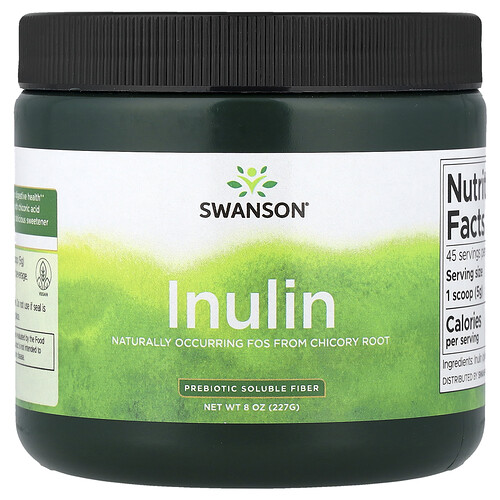
Prebiotics include various types of dietary fibers, such as inulin and fructooligosaccharides (FOS), which are found in many plant-based products.
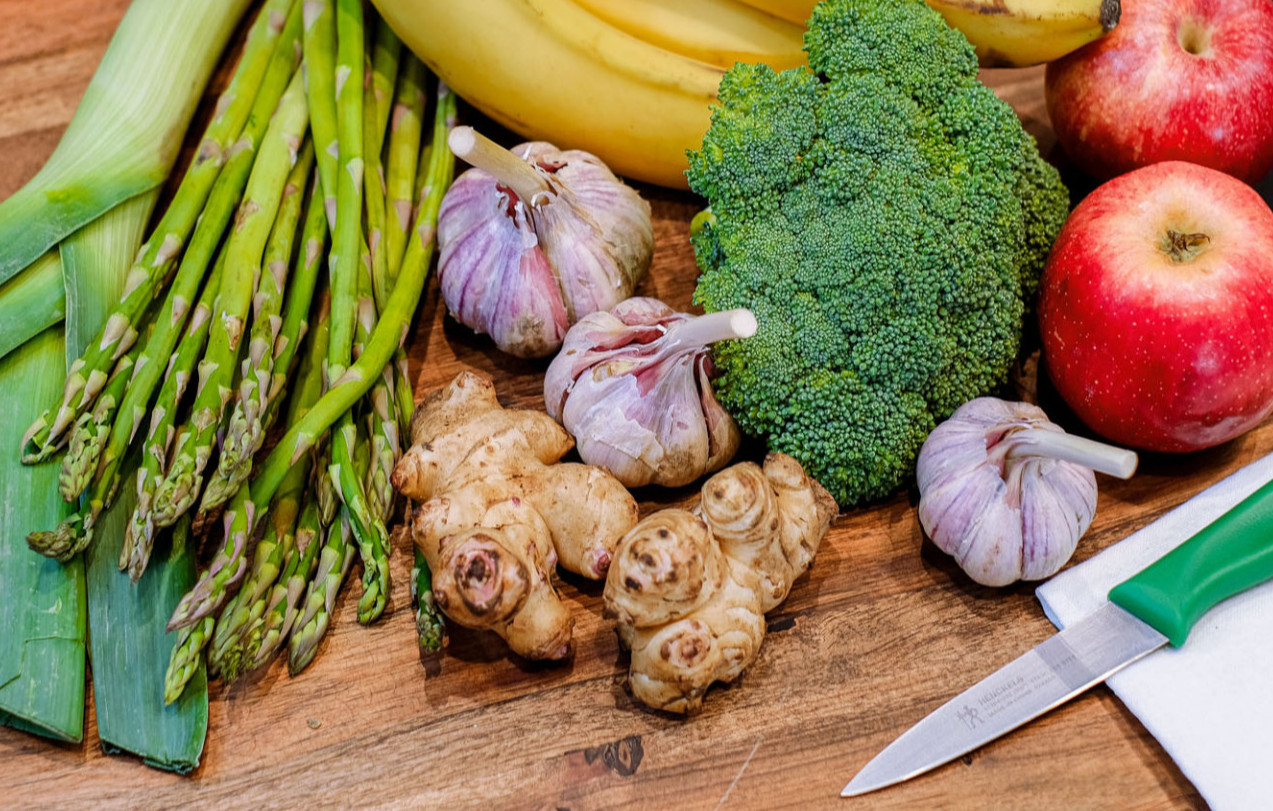
Main foods rich in prebiotics include:
- Chicory – one of the most popular sources of prebiotics, contains inulin. It can be consumed on a keto diet as it contains minimal carbohydrates.
- Garlic – rich in fructooligosaccharides (FOS), which support healthy microflora.
- Onion – also contains FOS and inulin, promoting the growth of bifidobacteria.
- Bananas – contain a small amount of inulin and are a good source of soluble fiber. However, they are not suitable for a keto diet.
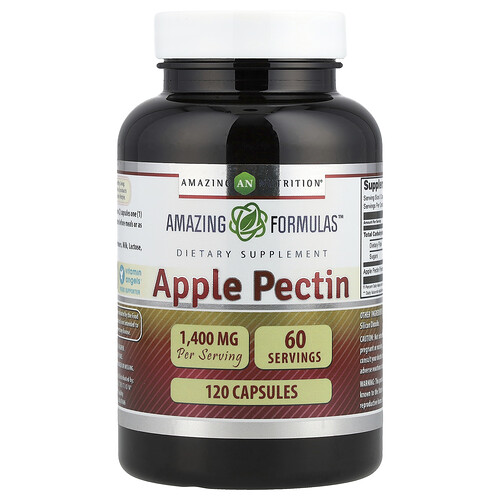
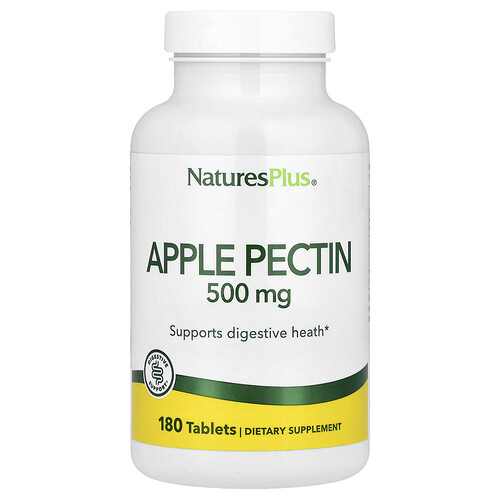
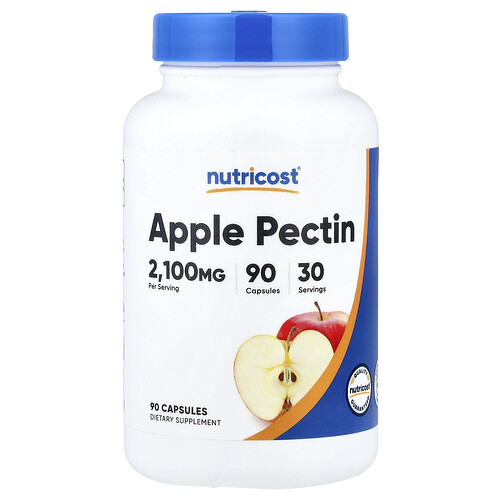
Prebiotics are also found in asparagus, leafy greens, and apples.
It is worth noting that cooking can alter the levels of prebiotics in foods, so for maximum benefit, it is recommended to consume foods raw or lightly cooked.
Possible forms and their absorption
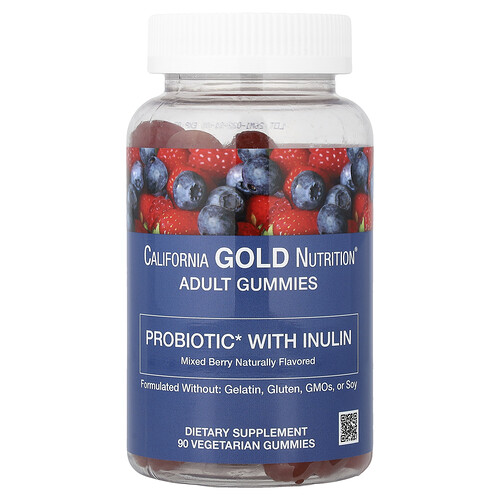
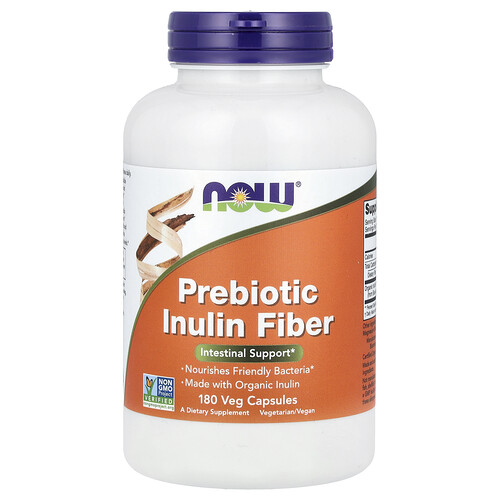
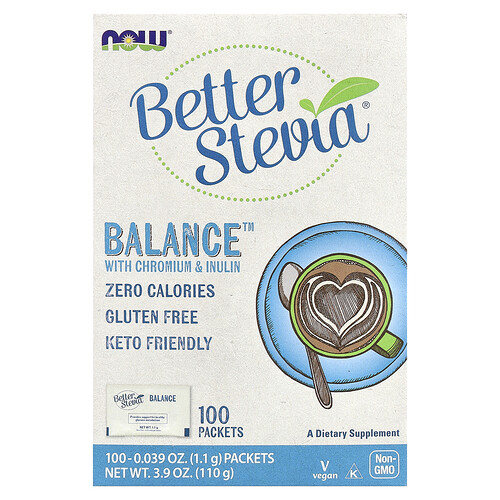
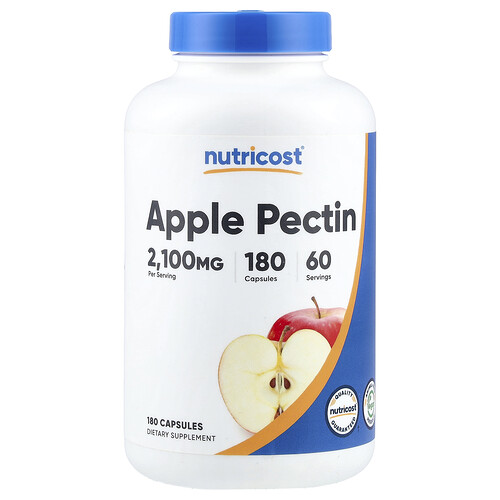
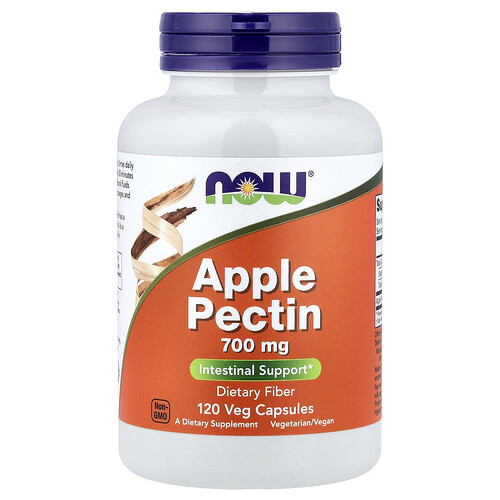
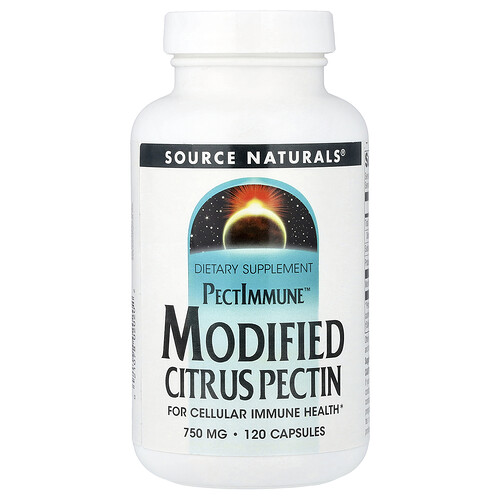
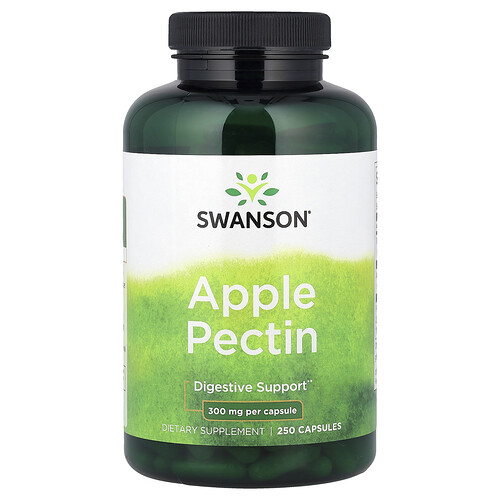
Nutrient forms are listed from best to worst:


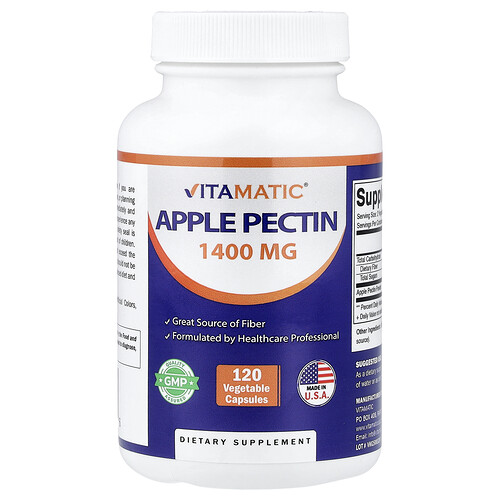

Prebiotics and Health: Potential Benefits and Risks
Potential benefits of prebiotics include improved immune function and reduced risk of certain digestive disorders, such as irritable bowel syndrome.
However, despite the positive aspects, potential risks also exist. Excessive consumption of prebiotics may lead to stomach discomfort, bloating, and diarrhea, especially if intake increases rapidly and without proper adaptation of the body.
It is important to consider that the balance of gut microflora is individual, and what is beneficial for some may cause adverse reactions in others.
Myths and Misconceptions About Prebiotics
All fibers are prebiotics. While many fibers have prebiotic properties, not all fibers are prebiotics.
Prebiotics have specific fermentable properties that promote the growth of certain beneficial bacteria.
There are various types of prebiotics, such as inulin and oligosaccharides, and each may have different effects on health.
Prebiotics are only beneficial for the gut. Prebiotics can also positively influence the immune system, blood sugar levels, and even mood by promoting serotonin production in the gut.
Prebiotics can fully replace probiotics. Prebiotics and probiotics complement each other, and for optimal gut health, it is best to include both components in the diet.
Prebiotics are unnecessary if you have no digestive issues. Even if you have no apparent digestive problems, prebiotics can help maintain a healthy gut microflora and prevent future issues.
Interesting Facts About Prebiotics
The history of prebiotics. The concept of prebiotics was first proposed in 1995 by scientists Gabriel R. Goud and A. D. G. Russell, who sought to explain how certain dietary fibers promote the growth of beneficial bacteria.
Diversity of prebiotics. There are many different types of prebiotics, including inulin, galacto-oligosaccharides (GOS), and lactulose, each of which has its unique benefits.