


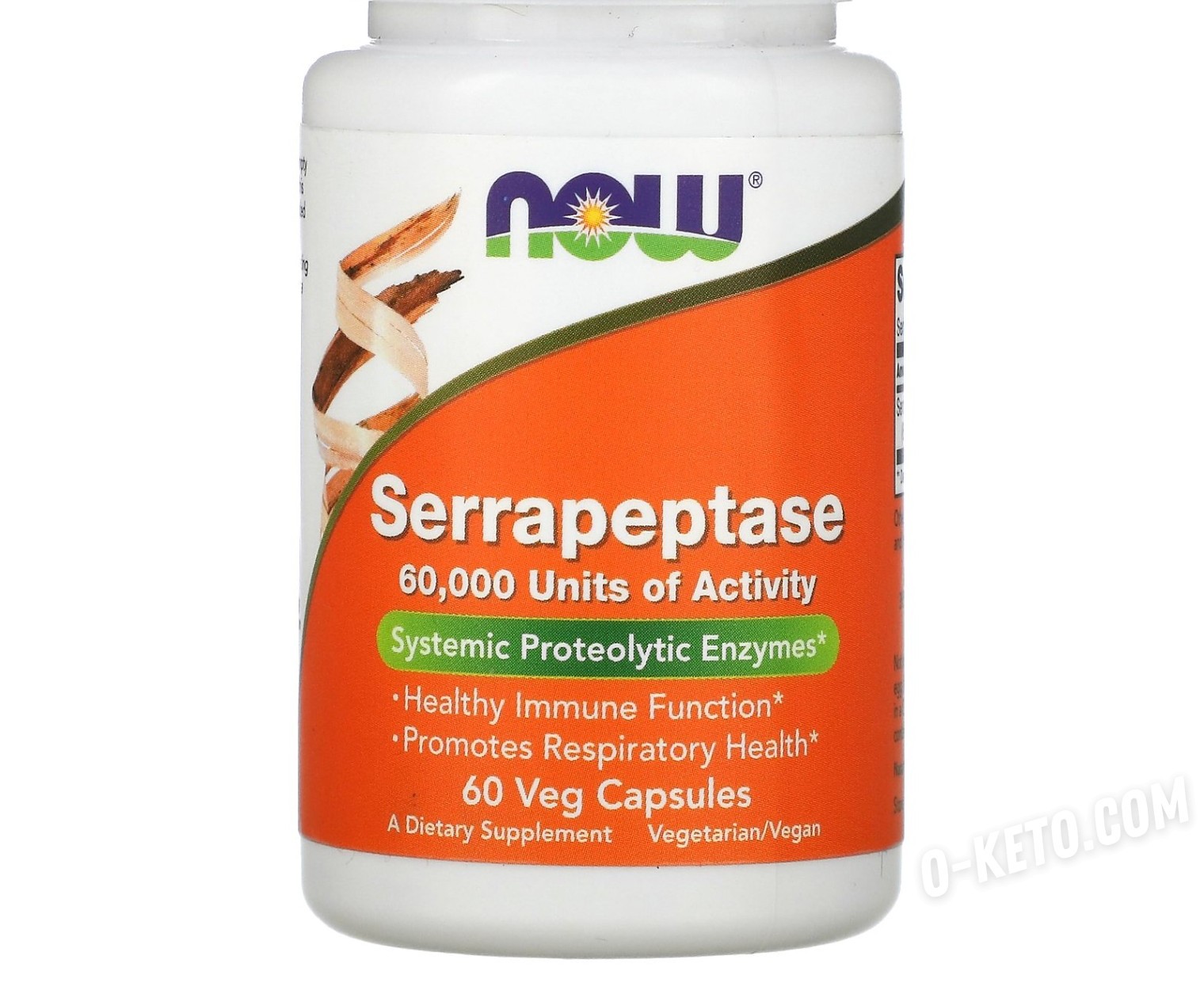

Serrapeptase, or serrapeptidase, is a proteolytic enzyme usually produced for supplements using the bacterium Serratia marcescens. In capsules, it is often listed not by grams of protein but by activity units such as SPU, SU, or other systems used by the producer. It is not an ordinary food but a specialized enzyme supplement.
Descriptions of serrapeptase often contain very bold claims. For careful selection, more practical details matter: capsule form, enzyme activity, enteric coating, additional enzymes in the formula, label instructions, and limitations. Copying someone else’s high-dose protocols onto yourself is not a good idea.
What form is it?
Serrapeptase is sensitive to stomach conditions, so many producers use protected capsules. They are usually not opened or chewed. If the powder reaches acidic fluid or mucous membranes directly, effect and tolerance may differ from what the producer intended.
Single-ingredient products and complexes with nattokinase, bromelain, papain, cellulase, proteases, and plant extracts are available. A complex is not always better: the more components there are, the harder it is to understand what the body reacts to and which ingredient causes discomfort.
Relation to keto
For keto and LCHF, serrapeptase has almost no dietary role. A capsule usually contains few carbohydrates, but it is not a food for satiety, flavor, or cooking. If the formula includes rice flour, maltodextrin, sugar, starch, or a sweet coating, that should be considered, though portions are usually small.
Enzyme supplements do not replace a normal diet, protein, fats, salt, sleep, or a clear eating routine. If someone chooses such a supplement, it is better viewed separately from the keto menu: as a product with instructions, limitations, and possible interactions.
How to choose
The label should show enzyme activity, serving size, capsule form, full ingredient list, producer, date, and storage conditions. It is better when activity units are listed, not only the weight of the blend. For a first trial, a single-ingredient formula is easier for judging tolerance.
If the formula contains several enzymes, compare the dose of each, not only the attractive name of the complex. Nattokinase, bromelain, and other enzymes have their own limitations. Supplements with herbs, sharp extracts, and many components require even more caution.
Pay particular attention to the difference between milligrams and activity. Two capsules may look similar by weight but be intended as different products if enzyme activity is stated in different units. If the activity units are not explained and the bottle only says “high strength” or uses a similar marketing phrase, comparison becomes difficult.
Enteric coating, capsule material, fillers, and timing instructions matter more here than attractive promises. It is also worth checking whether the formula contains gelatin, dyes, sweeteners, rice flour, or components the person usually avoids because of diet or tolerance.
How it differs from digestive enzymes
Ordinary digestive enzymes are chosen for food: proteins, fats, dairy, fiber, or heavy mixed meals. They are often taken with food. Serrapeptase is usually positioned differently, so rules for pancreatin, lactase, or enzymes for a heavy dinner should not be transferred to it automatically.
In a culinary sense, it does not take part in a dish at all: it does not tenderize meat in a marinade, improve baking, replace a starter culture, or make the diet “cleaner”. It is a capsule supplement with its own instructions, not a kitchen ingredient.
How to take it
The producer usually states use on an empty stomach or between meals, but the exact scheme depends on the product. Protected capsules are swallowed with water and not opened. It is not wise to start several enzyme supplements at once because reactions become harder to track.
If abdominal pain, nausea, rash, unusual bruising, bleeding, pronounced weakness, or another sharp reaction appears, stop using the product and investigate the cause. Raising the dose only because someone online does it is a bad idea.
It is better to swallow the capsule with plain water. Hot drinks, alcohol, and acidic juices are not useful when checking tolerance of a new enzyme supplement.
Limitations
Serrapeptase requires caution with clotting disorders, bleeding tendency, before surgery and dental procedures, during pregnancy and breastfeeding, with ulcer-like digestive conditions, serious bile-system or kidney problems, and when using products that affect clotting. In such situations, professional supervision is needed.
An allergic reaction is possible to the enzyme itself, the capsule, or excipients. Children are usually not given such supplements without a specific need. If someone already uses several medicines or supplements, compatibility should be checked in advance.
How to store it
Keep enzyme capsules tightly closed in a dry, cool place, away from steam and sun. Moisture and heat can reduce product quality. Do not pour capsules into an unlabeled jar: date, dose, and instructions matter.
If the producer requires refrigeration, it should be stated on the package. Without such a note, a dry cupboard is usually enough, but not a bathroom and not a shelf above the stove.
What can replace it?
Serrapeptase has no direct culinary replacement because it is not a recipe ingredient. If digestive enzyme support for food is needed, that is another product class: digestive enzyme blends matched to the diet. If the goal is not food-related, replacement should be chosen by a relevant professional, not by a keto recipe.


