


Apigenin
A flavonoid from parsley, celery, chamomile, and herbs; it is studied for antioxidant, anti-inflammatory, and mild neuromodulating effects, but it is not a treatment or a true sleep drug.
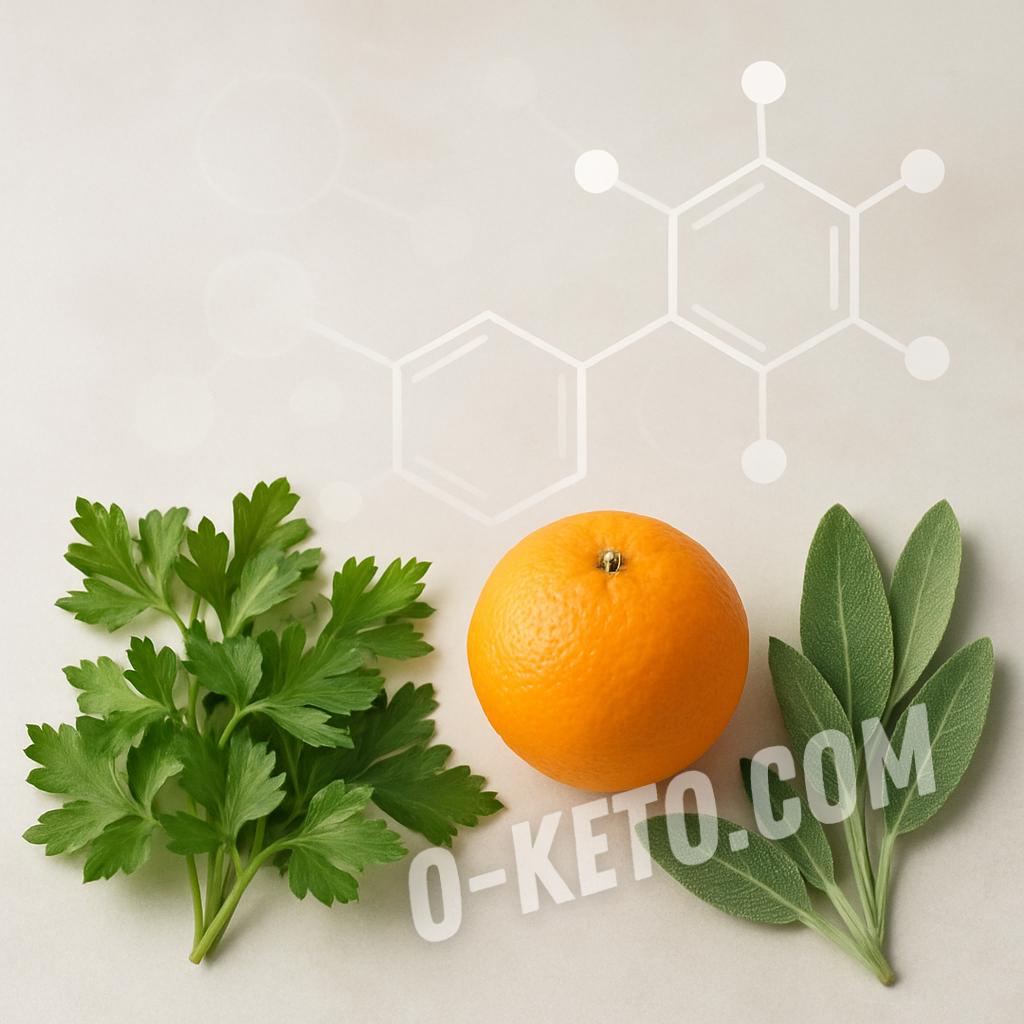
Apigenin is a plant flavonoid found in parsley, celery, chamomile, oregano, thyme, cilantro, onion, some citrus fruits, and herbs. It is often discussed as an antioxidant and anti-inflammatory compound, but it is better understood as one of many dietary polyphenols rather than a natural pill for everything. It may participate in cellular defense against oxidative stress, influence inflammatory signaling, and interact gently with the nervous system, but the effect depends on dose, form, diet, microbiota, and the person’s condition.
Food sources
The most understandable sources are parsley, celery, chamomile tea, oregano, thyme, mint, cilantro, sage, and some vegetables. In real food, apigenin does not appear alone. It comes with fiber, essential oils, other flavonoids, minerals, and bitter compounds. A plate with herbs is therefore different from a capsule. Food provides a small but regular polyphenol background, while a supplement provides a more concentrated dose with greater potential for drug interactions or individual reactions.
Apigenin is easy to include in a low-carbohydrate diet without sugar or starch. Parsley, celery, greens, herbs, unsweetened teas, and spices fit well into LCHF and keto meals. This is a useful reminder that low-carbohydrate eating does not need to be poor in plant compounds. Even when fruit and grains are restricted, a person can maintain a broad range of polyphenols through greens, spices, vegetables, olive oil, nuts, cocoa, and tea.
How it may act
Research connects apigenin with effects on NF-kB, COX-2, cytokines, oxidative stress, detoxification enzymes, and signaling pathways involved in inflammation. These mechanisms do not mean that chamomile tea treats inflammatory diseases, but they explain why food flavonoids are interesting in long-term preventive nutrition. The body does not switch inflammation off with one molecule. It responds to sleep, glucose, insulin, obesity, infection, stress, physical activity, protein, fatty acids, microbiota, and overall nutrient status.
Apigenin is also studied in relation to the nervous system. Part of the interest comes from chamomile and possible interaction with benzodiazepine sites on GABA-A receptors. This does not make apigenin a full anxiolytic or sleeping pill. It is more reasonable to speak about a mild calming potential in some people, especially when it comes as an evening herbal drink combined with a stable sleep routine. With insomnia, anxiety, or panic attacks, causes should be assessed rather than replacing care with a supplement.
Chamomile tea and concentrated apigenin are not the same thing. Tea includes warmth, ritual, aromatic compounds, bitter notes, and small flavonoid amounts. A capsule usually provides a higher dose and a different risk profile. If a person also uses sleep medication, sedatives, anti-anxiety drugs, alcohol, or strong antihistamines, even a mild supplement may increase sleepiness and slowing. A calm herbal drink in the diet is therefore safer than increasing capsule doses on one’s own.
Bioavailability and supplements
Like many flavonoids, apigenin has limited solubility and undergoes transformation in the intestine and liver. The microbiota can change polyphenol forms and influence their metabolites, so the same serving of herbs or the same capsule does not produce identical effects in everyone. Dietary fat, bile flow, gut health, and liver function may also affect tolerance and absorption. This is one reason why food sources often make sense as a regular dietary layer, while supplements require more caution.
Apigenin supplements are usually marketed for sleep, stress, inflammation, or antioxidant support. The problem is that advertising often runs ahead of evidence. High doses may interact with medications through liver enzymes and transport systems, increase sleepiness with sedatives, and be unsuitable during pregnancy, lactation, severe liver disease, or complex drug therapy. People using anticoagulants, antiseizure drugs, psychiatric medication, hormone therapy, or cancer treatments should discuss supplements with a clinician.
Practical meaning
The safest approach is to use herbs and greens regularly in food. Parsley with meat or fish, celery in salads, chamomile tea in the evening, oregano and thyme in sauces provide small amounts of apigenin together with other useful compounds. For keto and LCHF this is especially convenient: flavor becomes richer without sugar, and the diet gains a plant layer. Still, apigenin does not replace the foundations of health. Adequate protein, Omega-3 fats, magnesium, sleep, movement, glucose control, and normal digestion matter more than belief in one flavonoid.
Regularity matters more than a rare large dose. A small handful of greens, herbs in a marinade, unsweetened tea, and a vegetable side dish provide not only apigenin but also the habit of making food vivid and varied. That helps people maintain low-carbohydrate eating without feeling punished. If the diet remains poor, sleep is broken, protein is low, alcohol is frequent, and stress is high, apigenin will not repair the foundations. It can be a useful detail, not a replacement for a coherent diet and lifestyle.
If you have any questions about the term "Apigenin", you can ask them to AI. Please note, a low-cost OpenAI model is used. It may answer questions about disease treatment with errors!


 1 / 4
1 / 4 1 / 4
1 / 4
 1 / 4
1 / 4 1 / 4
1 / 4


 1 / 4
1 / 4