


E240 (formaldehyde)
Formaldehyde as E240 is mainly a historical and regulatory issue: in modern food it should not be treated as an ordinary acceptable preservative.
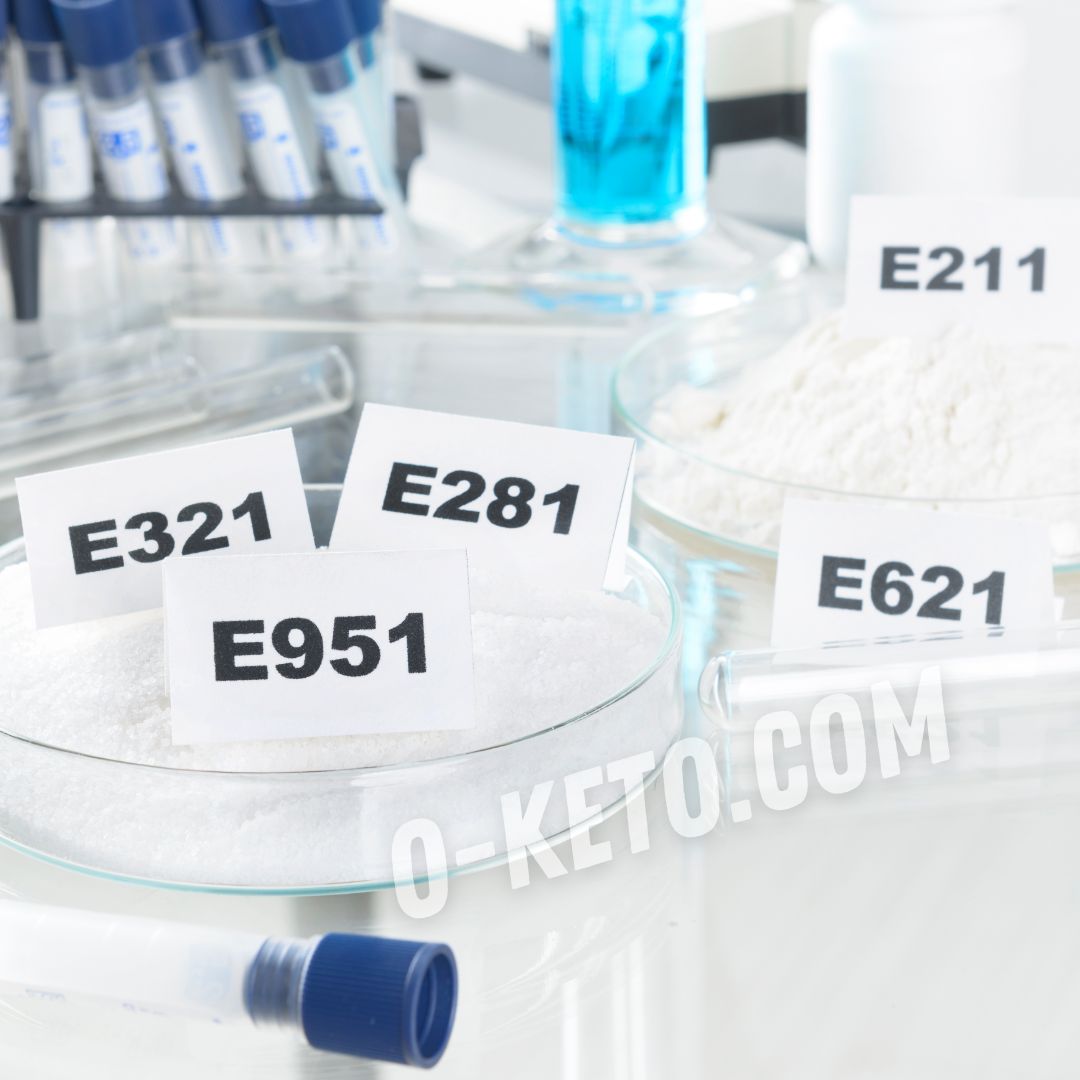
E240 is formaldehyde, a simple volatile compound historically mentioned in old lists of food preservatives. In modern practice it should not be treated as an ordinary additive that belongs on a food label next to salt, acids, or sorbate. Formaldehyde is a reactive substance with toxicologically important properties, so the food context of E240 is mainly regulatory and historical rather than culinary.
Why E240 is unlike ordinary preservatives
Many E-numbers describe substances used in defined product categories at regulated levels. E240 is different: formaldehyde is not a normal modern way to preserve sauce, cheese, drinks, or meat products. If old references list it among preservatives, that does not mean it remains an ordinary approved food additive for consumer foods.
Formaldehyde can occur in trace amounts in nature and in the metabolism of living organisms, but that is not the same as technological addition to food. In toxicology, form, dose, route, frequency, and context all matter. It is therefore inaccurate to reassure the reader simply because a substance can occur naturally, and equally inaccurate to create panic without explaining the regulatory difference.
Relevance for keto and LCHF
For low-carb eating, E240 is not a question of sugar, starch, or ketosis. It does not add carbohydrates, but that does not make it an acceptable food additive. Unlike many preservatives, where the practical issue is often sugar around the additive, the key question here is different: why formaldehyde is listed at all, whether the labeling is current, what country the product comes from, and what legal context applies.
If someone sees E240 in an old table, translated list, or questionable product description, the source should be checked rather than treated as real food guidance. In ordinary shopping, current labeling, country rules, and reliable additive databases matter more. An LCHF diet is easier to build from foods where such outdated and disputed codes do not have to be interpreted at all.
How to read information about formaldehyde
Three situations should be separated. The first is formaldehyde as an industrial chemical outside food. The second is trace formation that may occur naturally or through normal biochemical processes. The third is an E-number in old or current regulatory lists. Mixing these levels creates either false reassurance or unnecessary alarm.
If E240 appears in an article or on packaging, it is worth checking whether this is an error, outdated translation, or mechanical copying of an old table. For a real product, official labeling, country of sale, and the actual ingredient list matter. Food with an unclear reference to formaldehyde as a preservative is not worth choosing when simpler products exist.
Practical conclusion
E240 is best understood not as a working kitchen preservative but as an example where current regulatory status matters more than general E-number logic. It has no useful role in keto, LCHF, or ordinary eating. If a product is presented as containing formaldehyde or E240, the sensible response is not to search for a low-carb justification but to choose another product and check the information source.
For everyday eating, the conclusion is simple: the shorter and clearer the ingredient list, the fewer such questions arise. Meat, fish, eggs, vegetables, greens, natural fats, proper cheeses, and homemade sauces do not require formaldehyde as an additive. E240 is useful to understand when reading old lists, not as a guide for choosing food.
In practice, E240 is also a test of source quality. If a website or table lists formaldehyde next to ordinary preservatives without explaining current status, that source should not be trusted automatically. For food additives, date, country, product category, and a link to current regulation matter.
In real cooking, there is no situation where someone eating LCHF needs to look for a product with E240 for preservation. If a product raises such questions, it is simpler to choose an alternative with a clear ingredient list. This is especially important with imported, cheap, or poorly labeled goods, where translation errors and outdated data are more likely.
If you have any questions about the term "E240 (formaldehyde)", you can ask them to AI. Please note, a low-cost OpenAI model is used. It may answer questions about disease treatment with errors!


 1 / 4
1 / 4


 1 / 4
1 / 4


