


E219 (the sodium salt of methylparaben)
The sodium salt of methylparaben is a soluble form of E218 and should be assessed as a preservative, not as dietary sodium or an ordinary benzoate.
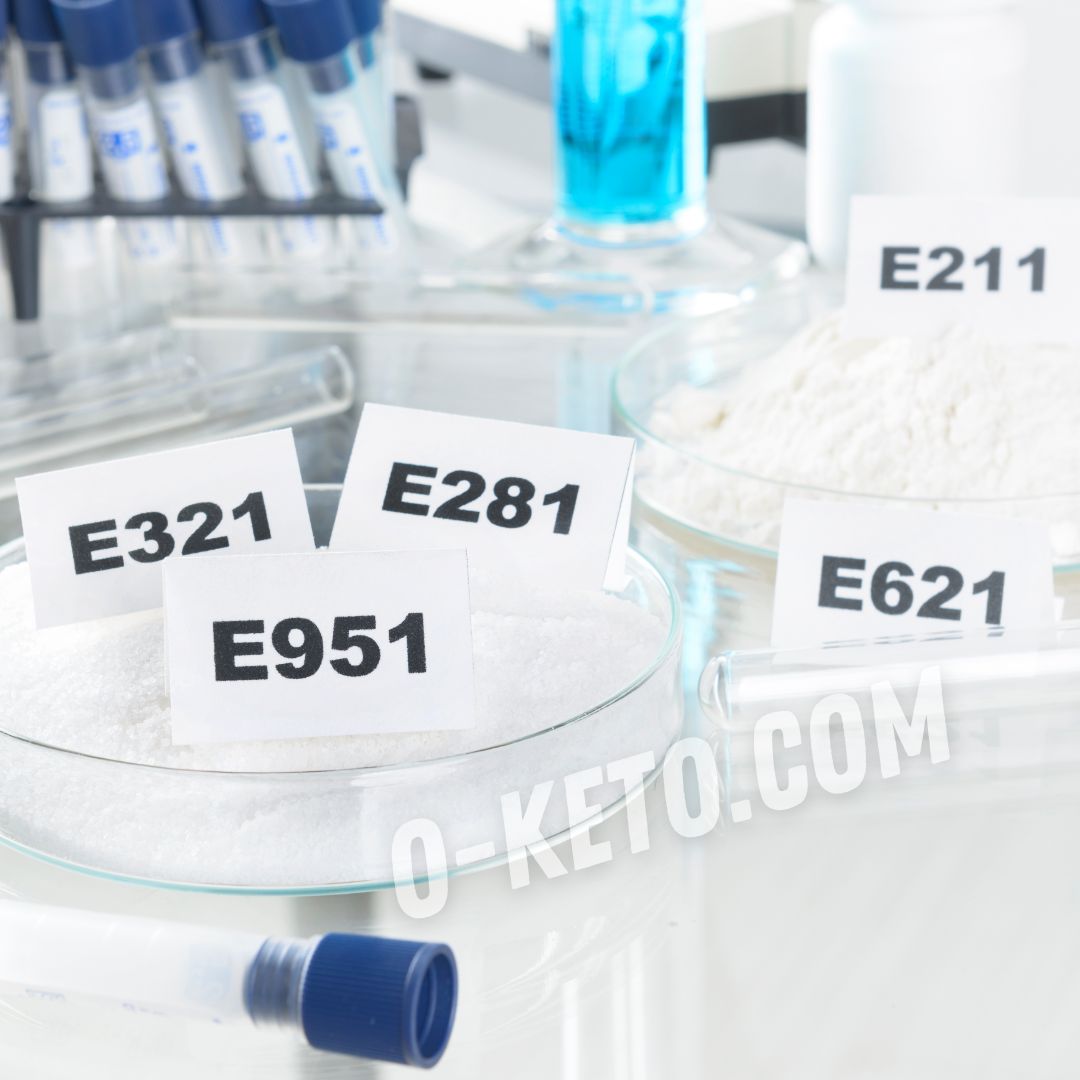
E219 is the sodium salt of methyl p-hydroxybenzoate. In simpler terms, it is a more soluble technological form of methylparaben. In foods it is used as a preservative when a product needs protection from yeasts, molds, and some bacteria. The word sodium in the name does not mean that the additive is a meaningful source of dietary salt, and it does not make it the same as ordinary benzoates E210-E213.
Why the sodium form is used
A manufacturer may find it easier to work with the sodium salt rather than with methylparaben itself. This form can behave better in water-based systems and distribute more easily through the recipe. It is a technological choice connected with solubility, pH, texture, and product stability. For the consumer, the conclusion is simple: E219 should be assessed mainly as a form of methylparaben, not as a separate sodium source or mineral ingredient.
If someone needs to control sodium because of blood pressure, edema, kidney disease, or medical advice, the major contributors are usually table salt, salty sauces, cheese, cured meats, brines, fast food, and ready meals. E219 at preservative levels is rarely the main sodium burden. However, the product containing it may still be salty, sweet, acidic, or highly processed, and that broader context can affect real tolerance.
Where E219 may appear
The sodium salt of methylparaben may appear in certain processed foods, sauces, fillings, dessert components, preserved mixtures, and long shelf-life products where such use is permitted for the category. In simple home cooking it has no independent purpose. Storage is usually managed through refrigeration, freshness, salt, acidity, cleanliness, heat processing, fermentation, and short use time.
For low-carb eating, E219 is not sugar, starch, or a sweetener. It does not add meaningful carbohydrates to a food. But formulas that use this additive may also contain syrups, fruit concentrates, flour, starch, maltodextrin, sugar alcohols, flavorings, and thickeners. Keto or LCHF assessment should therefore begin with the whole formula rather than with the isolated index.
How not to misread the label
The first mistake is to see E219 as a sodium salt and apply the logic of ordinary salt or mineral sodium. It is a preservative form of methylparaben, not a way to salt the food in the nutritional sense. The second mistake is to merge E219 with propylparaben and draw the same conclusion about all parabens. The exact molecule, its form, the food category, and current rules matter.
If a product containing E219 causes discomfort, the view should be wider. Acids, sweeteners, sugar alcohols, spices, carbonation, flavorings, colors, alcohol, strong sweetness, or the overall burden of industrial food may be responsible. For sensitive digestion, it is more useful to compare the specific product with a homemade alternative and track whether the reaction repeats than to blame one code without testing the context.
Practical conclusion
E219 is a technological additive for preservation, not a sign of nutritional value. In keto and LCHF eating it is not important as a carbohydrate source, but it may mark a long shelf-life product with a complex formula. If the product is occasional, contains no sugar or starch load, is used in a small portion, and is well tolerated, E219 is usually not the main question.
If products with such additives appear every day, it is better to review the habit of relying on industrial sauces, fillings, drinks, and dessert components rather than focus on one preservative. The simpler the diet, the less often labels require analysis of debated substances. A base of meat, fish, eggs, vegetables, greens, natural fats, fermented foods, and homemade sauces makes eating clearer for both carbohydrate control and symptom tracking.
In home preservation, E219 is not a universal replacement for careful technique. Without precise knowledge of dose, pH, cleanliness, and storage time, it is safer to prepare small portions, keep them refrigerated, and use tested recipes. Industrial preservatives work inside a controlled system, not as a free additive used just in case.
In ingredient lists, E219 should be read together with acidity, the type of drink or sauce, shelf life and the whole preservation system. The sodium salt form helps the technologist distribute the preservative in the water phase, but it does not make the product healthier and does not change its carbohydrate load. For a person sensitive to parabens, frequency of exposure and total intake from different sources matter more than the word sodium in the name.
If you have any questions about the term "E219 (the sodium salt of methylparaben)", you can ask them to AI. Please note, a low-cost OpenAI model is used. It may answer questions about disease treatment with errors!


 1 / 4
1 / 4 1 / 4
1 / 4


 1 / 4
1 / 4


 1 / 4
1 / 4 1 / 4
1 / 4