


E908 (rice bran wax)
A food additive used as glazing agent.
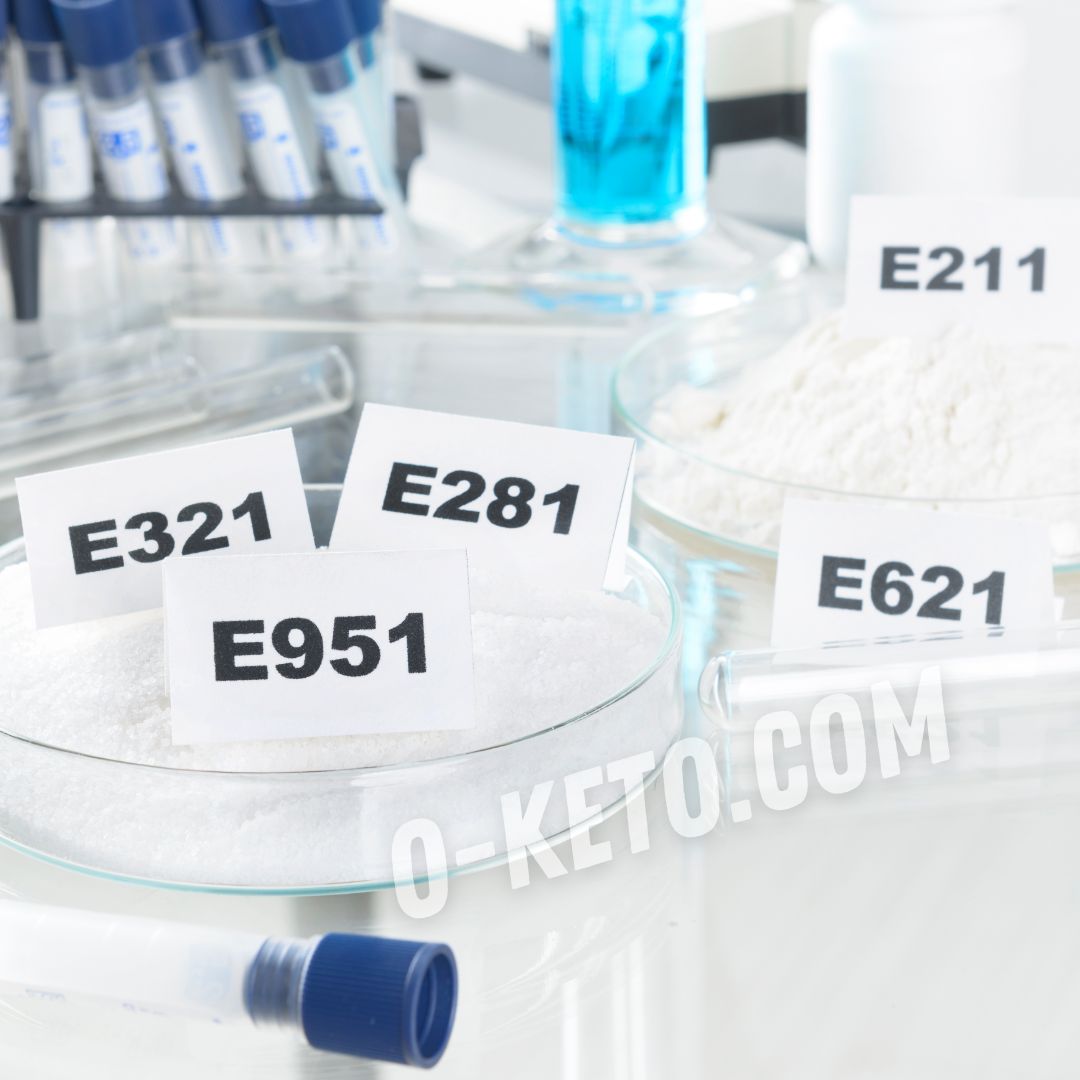
E908 is rice bran wax, a food additive used as a glazing agent. In this range of E-numbers, you can find glazing agents, packaging gases, propellants, flour improvers, and sweeteners, so adjacent numbers can refer to completely different substances.
It is better to evaluate such an additive not by fear of the letter E, but by its function and context. Wax on the surface of fruit, gas in packaging, sweetener in a drink, and oxidizer for flour have different meanings for nutrition and health.
What is this additive
Rice bran wax is based on: plant wax from rice bran. It is used for its technological effect rather than its nutritional value.
For some numbers in this range, the current status is especially important. Current regulatory status should be checked separately: some substances are no longer used as common food additives in the EU, UK, or other countries.
Why it is used
Historically, it has been used for coatings and shine. In production, it helps manage appearance, sweetness, aroma, foaming, texture, packaging environment, or dough behavior.
In home cooking, such tasks are often unnecessary: the product can be eaten fresh, prepared in small portions, or made with simple ingredients. In industrial food, the additive helps withstand storage, transportation, and achieve consistent results.
Nutritional value and metabolism
E908 usually does not provide complete nutrition. Even sugar-free sweeteners are not equivalent to a healthy product: they change sweetness but do not add protein, fiber, micronutrients, or satiety on their own.
For keto, LCHF, diabetes, and weight control, it is important to look at the entire recipe. With sweeteners, one must consider the individual response of glucose and appetite, while with glazing agents and gases, it is important to understand that they have almost no impact on macronutrients.
Safety and tolerance
It does not always appear in current European lists, so the status should be checked by country. Individual tolerance depends on dosage, frequency of consumption, age, gut condition, metabolism, medications, and concomitant diseases.
If bloating, diarrhea, cravings for sweets, headaches, skin reactions, or unusual symptoms recur after consuming products with E908, it is worth comparing the compositions of several products. Sometimes, the culprit is not just one additive, but a combination of sweeteners, flavorings, acids, caffeine, and sugar alcohols.
How to evaluate on the label
Look not only at E908 but also at neighboring ingredients. A sweetener next to acids and flavorings usually indicates a sweet drink or dessert; a glazing agent next to sugar and colorings indicates a confectionery product; packaging gas often simply protects the product.
The practical conclusion: Rice bran wax should not be automatically feared, but it should not be considered a neutral quality mark either. The simpler the main composition and the less frequently the product appears in the diet, the less significance a single technological additive has.
If you have any questions about the term "E908 (rice bran wax)", you can ask them to AI. Please note, a low-cost OpenAI model is used. It may answer questions about disease treatment with errors!


 1 / 4
1 / 4 1 / 4
1 / 4

 1 / 4
1 / 4


 1 / 4
1 / 4