


Enzymes
Protein catalysts that speed digestion, energy metabolism, detoxification, clotting, immune function, and thousands of cellular reactions. It is important to distinguish the body’s own enzymes, digestive enzyme supplements, and enzyme markers measured in blood tests.
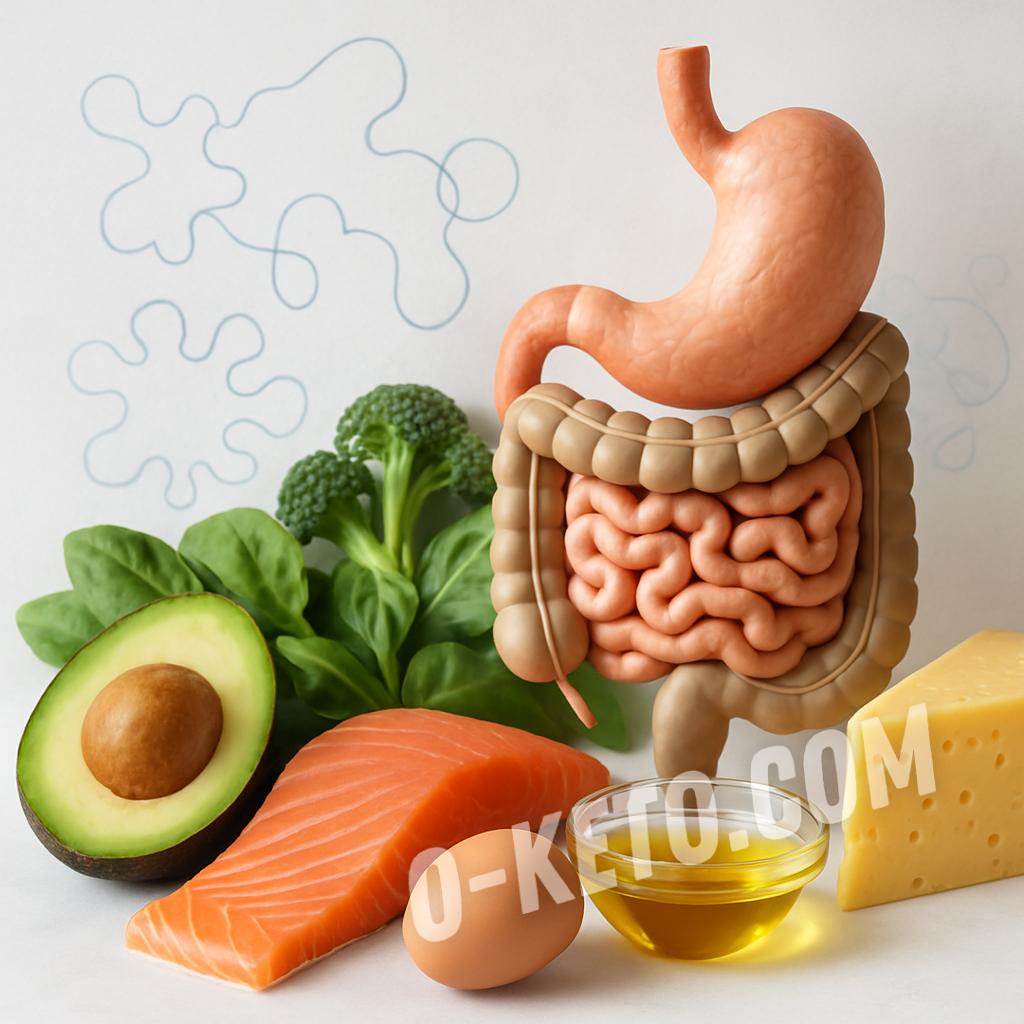
Enzymes are protein catalysts that speed chemical reactions in the body. Without them, food would not be broken down fast enough, cells would not produce energy efficiently, the liver would not process substances properly, blood clotting would fail, and the immune system could not function normally. Enzymes are not consumed like ordinary reaction ingredients, but their activity depends on protein structure, temperature, pH, minerals, vitamins, genetics, and tissue health.
Discussions about enzymes often mix different categories. There are digestive enzymes from the stomach, pancreas, and intestine. There are intracellular metabolic enzymes. There are enzymes used as laboratory markers, such as ALT, AST, GGT, amylase, lipase, and creatine kinase. There are also enzyme supplements used in selected digestive problems. These categories are related but not interchangeable.
Digestive enzymes
Proteases break down proteins, lipases break down fats, and amylases plus brush-border enzymes break down carbohydrates. The stomach prepares protein with acid and pepsin, the pancreas releases a strong enzyme mixture, and the small intestine finishes digestion and absorption. When digestive enzyme output is inadequate, heaviness after meals, bloating, greasy stool, weight loss, deficiencies, and poor tolerance of ordinary foods may appear.
Digestive symptoms do not always mean enzyme deficiency. Bile problems, SIBO, celiac disease, intestinal inflammation, lactose intolerance, sugar alcohols, stress, medications, and a very abrupt transition to high-fat eating can look similar. Pancreatic enzymes or acid support should not be used blindly. They can be useful, but the reason should be understood.
Cofactors and nutrition
Many enzymes require cofactors such as magnesium, zinc, iron, copper, selenium, manganese, B vitamins, vitamin C, and other molecules. Thiamine supports enzymes of energy metabolism, riboflavin supports flavin enzymes, niacin supports NAD-dependent reactions, and B6 supports amino acid metabolism. A vitamin or mineral deficiency can therefore look like poor metabolism even when the enzyme protein itself is present.
On keto and LCHF, enzyme systems adapt toward greater fat use and lower glucose load. This does not mean the body no longer needs carbohydrate-related enzymes or micronutrients. Protein, liver, eggs, fish, seafood, greens, moderate nuts, and low-carbohydrate vegetables help supply cofactors. A monotonous diet of fat and coffee does not.
Enzymes in blood tests
Enzyme values in blood often reflect tissue injury or stress. ALT and AST are associated with liver and muscle, GGT with bile ducts and alcohol or metabolic load, amylase and lipase with the pancreas, and creatine kinase with muscle. An elevated enzyme does not always mean disease of the first organ that comes to mind. AST can rise after training, and GGT can rise with medications or fatty liver disease.
Interpretation requires context: symptoms, medications, alcohol, training, body weight, bile flow, viruses, diabetes, liver tests, bilirubin, and trend over time. One should not treat ALT or lipase separately from the cause. An enzyme in a blood test is a signal to examine tissue and circumstances, not an independent target.
Enzyme supplements
Digestive enzyme supplements may help in confirmed pancreatic insufficiency, after some surgeries, in selected digestion disorders, or temporarily during transition to a higher-fat diet. Lactase can help with lactose intolerance. Alpha-galactosidase may reduce gas from legumes and some vegetables. But supplements should not mask blood in stool, weight loss, persistent diarrhea, or pain.
Enzymes are sensitive to dose, form, and timing. Some work in the stomach, while others must reach the small intestine. With ulcers, pancreatitis, allergy, pregnancy, anticoagulant use, or serious illness, supplements should be discussed with a clinician. If the problem is bile flow, motility, or inflammation, enzymes may provide only partial or temporary relief.
Practical conclusion
Enzymes are the foundation of living biochemistry, but the level of discussion matters. The body’s own enzymes depend on protein, cofactors, and tissue health. Enzymes measured in blood help detect injury or stress. Enzymes in supplements may be tools for specific digestive problems. The best approach is to know which enzyme system is being discussed and not replace diagnosis with a random capsule.
If you have any questions about the term "Enzymes", you can ask them to AI. Please note, a low-cost OpenAI model is used. It may answer questions about disease treatment with errors!


