


Ketogenic amino acids
Amino acids whose carbon skeletons can become acetyl-CoA or acetoacetate can participate in ketone-body-related pathways. This does not mean protein automatically “makes ketones”; amino acid fate depends on tissue needs, energy status and hormones.


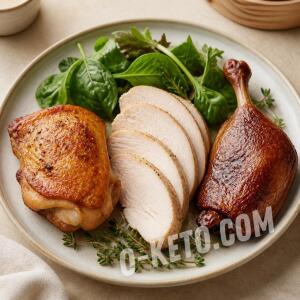
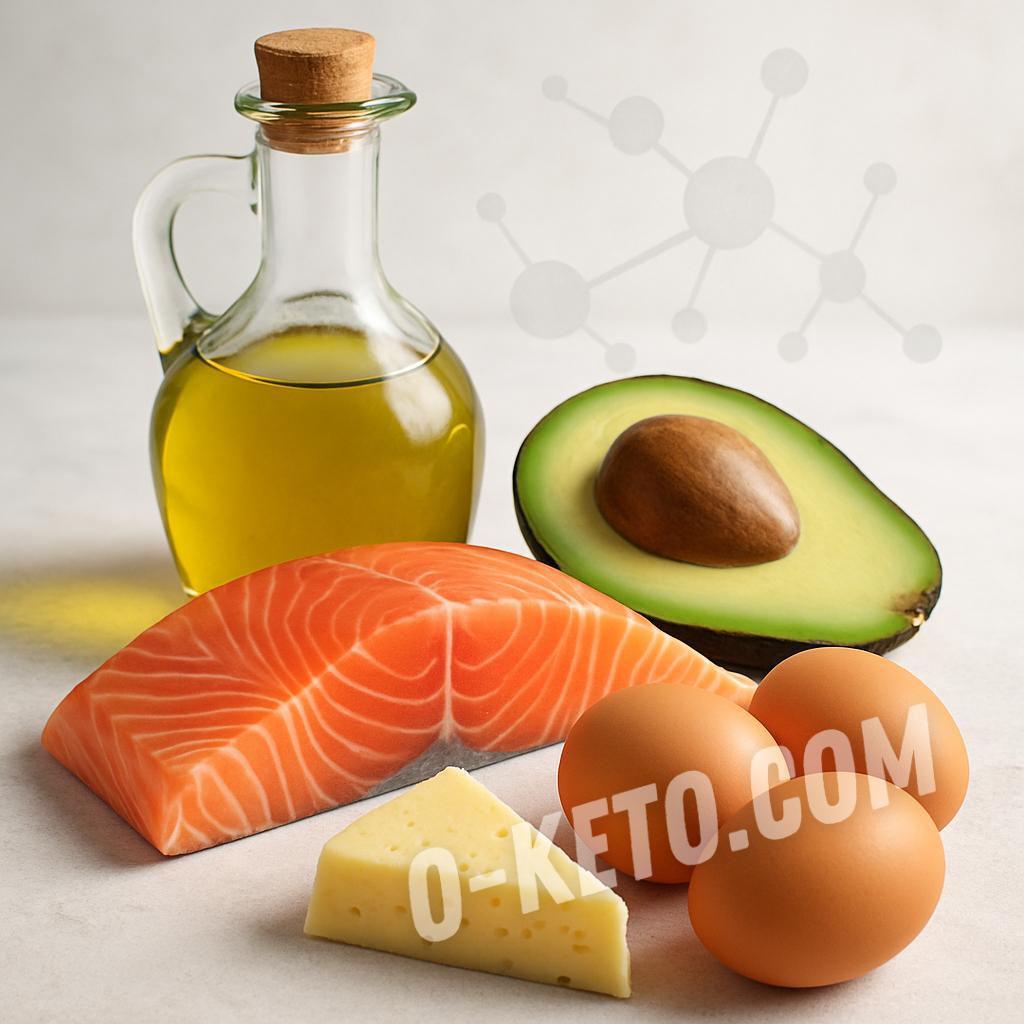
Ketogenic amino acids are amino acids whose carbon skeletons can be converted into acetyl-CoA or acetoacetate and therefore enter pathways related to ketone body production. Classically, leucine and lysine are considered exclusively ketogenic. Some amino acids are mixed, meaning they can yield both ketogenic and glucogenic products. This is a biochemical classification, not a rule for eating or avoiding specific proteins.
Ketogenic amino acids should not be confused with a ketogenic diet. A protein food does not become a keto food simply because it contains leucine or lysine. After a meal, amino acids are first needed for body protein synthesis, enzymes, immune molecules, muscle, liver, gut and recovery. Only some carbon skeletons enter energy pathways when there is a need for that.
Which amino acids are ketogenic
Leucine and lysine cannot produce a net glucose yield, so they are called exclusively ketogenic. Isoleucine, phenylalanine, tyrosine, tryptophan and threonine are mixed because their breakdown can produce acetyl-CoA or acetoacetate as well as intermediates that can participate in gluconeogenesis. Most other amino acids are usually classified as glucogenic.
This classification is useful for understanding metabolism, inherited disorders, fasting, diabetes and liver function. In ordinary eating, however, people consume foods rather than isolated amino acids: meat, fish, eggs, dairy, legumes or supplements. Within foods, amino acids come together, and the body distributes them according to current needs.
Protein and ketosis
On keto, protein is sometimes feared because some amino acids can participate in gluconeogenesis or influence insulin. Complete protein is still necessary for muscle, immunity, enzymes, skin, hair, liver function and recovery. Ketogenic amino acids do not remove that need. Leucine, for example, is important for muscle protein synthesis and mTOR signaling, not only as a source of acetyl-CoA.
If a person cuts protein too low to raise ketones, muscle mass, satiety and recovery may suffer. This is especially important during weight loss, sport, aging, recovery after illness and type 2 diabetes. A better goal is adequate protein based on body size, activity and health status, not minimum protein for a ketone meter reading.
Metabolic context
The fate of amino acids depends on energy availability, insulin, glucagon, tissue repair needs, glycogen stores and liver function. In the fed state, more amino acids go toward synthesis. During fasting, illness or calorie deficit, some may be used for energy. In severe protein deficiency, the body breaks down its own tissues, and that is not healthy ketosis but loss of structural material.
In rare inherited amino acid metabolism disorders, individual pathways can be clinically important. In ordinary practice, this is not a reason to restrict foods based on a table of ketogenic amino acids. Unusual reactions to protein, neurological symptoms, episodes of metabolic decompensation or a strong family history require medical evaluation.
Practical meaning
For LCHF, protein quality and adequacy matter more than sorting amino acids into ketogenic and glucogenic categories. Meat, fish, eggs, poultry, seafood and tolerated dairy provide the full set of essential amino acids. Plant sources can be used, but digestibility, amino acid profile and carbohydrate load need attention.
Ketogenic amino acids help explain why protein metabolism is closely tied to energy metabolism, but they do not make amino acid supplements a universal tool for ketosis. If the goal is health, body composition and stable energy, protein should support muscle and recovery. Ketones remain an adaptation tool, not the only criterion of a good diet. In practice, foods do not need to be chosen by their leucine or lysine content unless there is a medical reason. It is more important that the protein portion is adequate, well tolerated, does not crowd out minerals and vegetables, and helps preserve strength between meals.
If you have any questions about the term "Ketogenic amino acids", you can ask them to AI. Please note, a low-cost OpenAI model is used. It may answer questions about disease treatment with errors!


 1 / 4
1 / 4

 1 / 4
1 / 4

 1 / 4
1 / 4 1 / 4
1 / 4